Subtitle: A deep dive into solving the maintenance nightmares and high costs of analyzing complex matrices, featuring the SES-706.
If you manage a Quality Control (QC) lab, you know the drill. For decades, the High-Frequency (HF) Induction Furnace has been the undisputed king of Carbon and Sulfur analysis. In the steel industry, it is a beast—fast, powerful, and standard.
But the world has changed.
Today’s labs aren’t just analyzing steel pins. You are testing Lithium Iron Phosphate (LFP) battery powders, coal, cement, ores, and soils.
When you force a standard High-Frequency Induction Furnace to analyze these non-conductive powders, you likely face three recurring nightmares:
· The Dust Storm: Fine powders + violent induction combustion = clogged filters and contaminated gas lines.
· The Cost Trap: Adding 1.5g of expensive Tungsten flux for every single sample just to make it heat up.
· The Blank Value Headache: Trying to measure 10ppm Sulfur while battling the background noise introduced by your flux.
There is a better way. It’s time to rediscover and upgrade to Tube Furnace Resistance Technology.
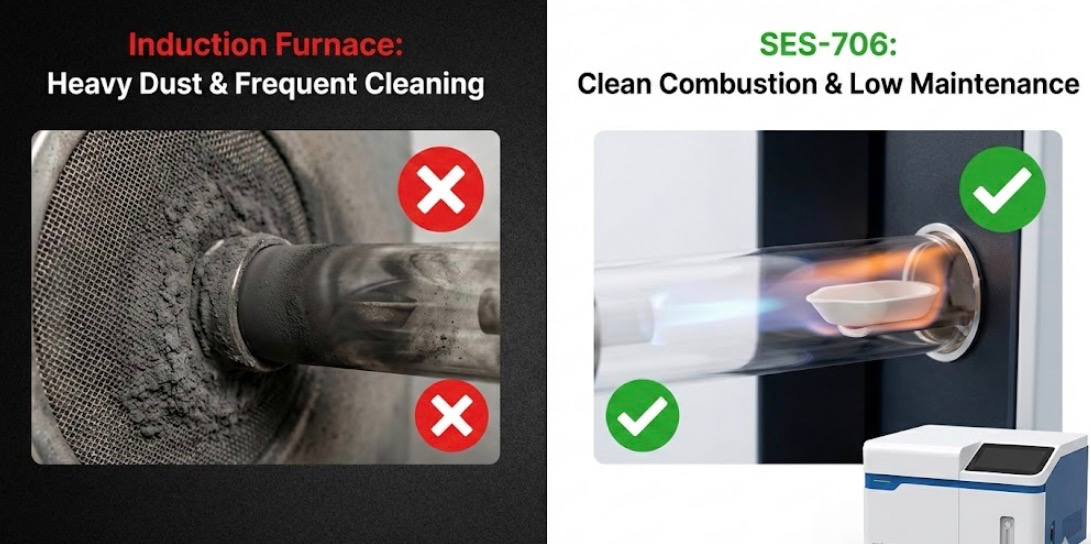
To understand the solution, we must diagnose the problem. HF Induction furnaces rely on the sample conducting electricity to generate heat.
· The Flux Dependency: Since battery materials and ores don't conduct electricity well, you must mix them with Tungsten or Iron chips (accelerators). This adds significant cost per test and introduces "blank values" that interfere with low-level detection.
· The "Pop" Effect: Induction heating is explosive and instantaneous. For fine powders, this causes splashing, which dirties your combustion tube and blocks your dust filters within hours.
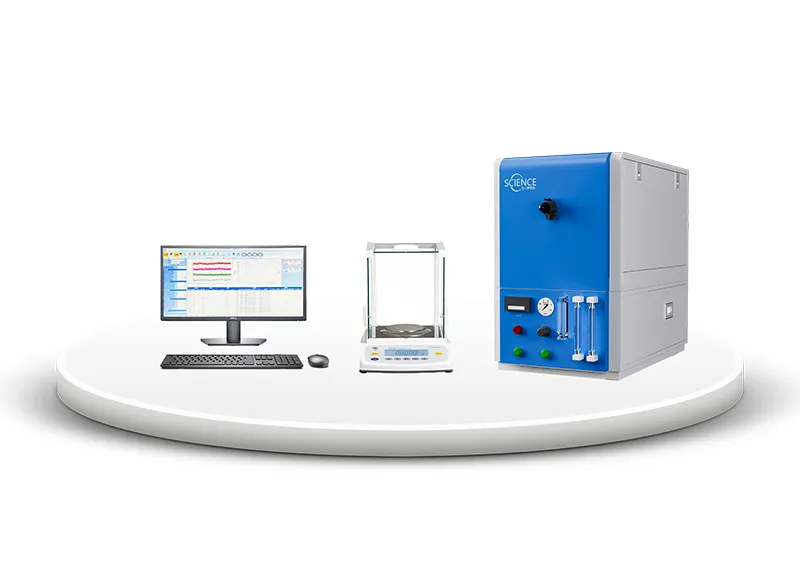
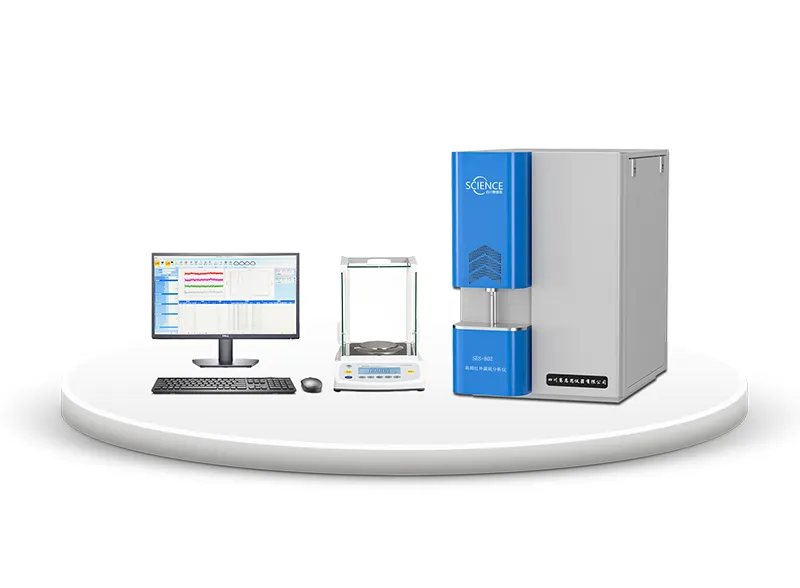
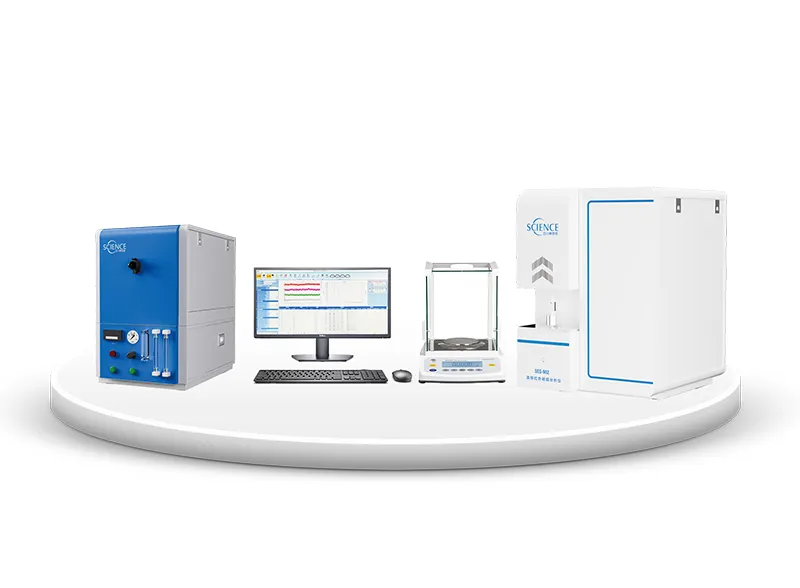
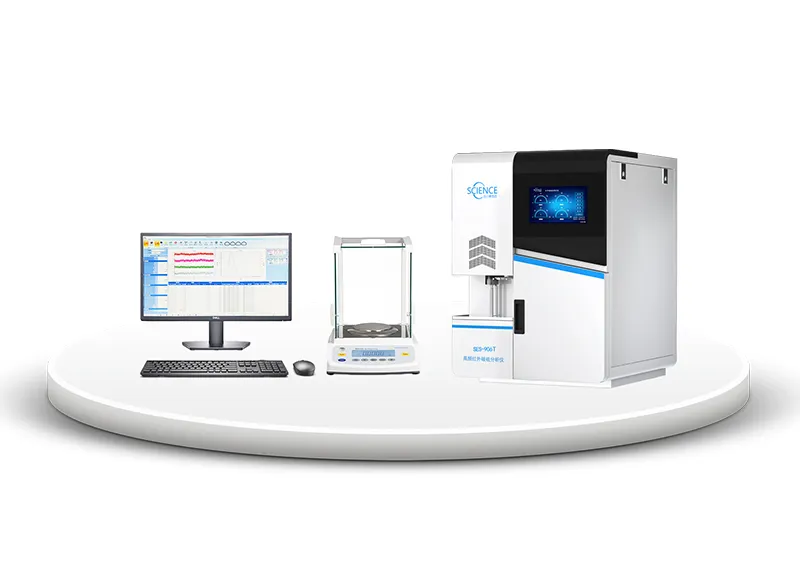
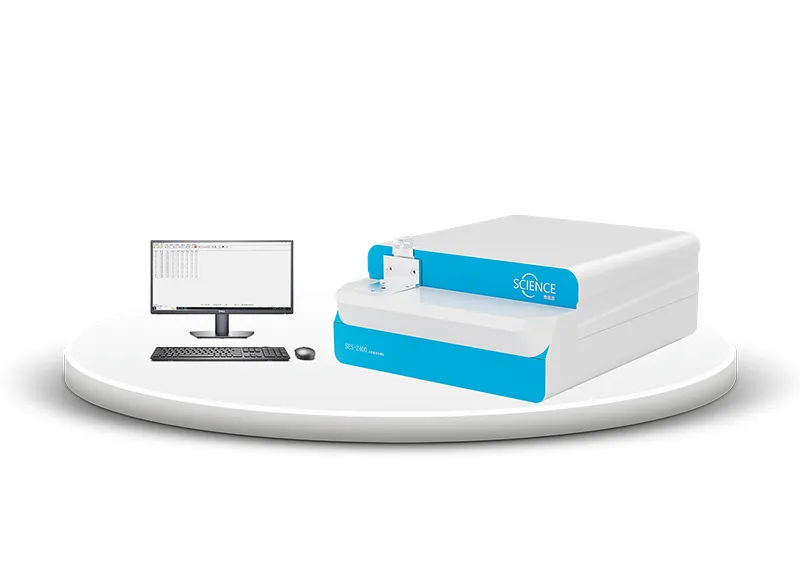
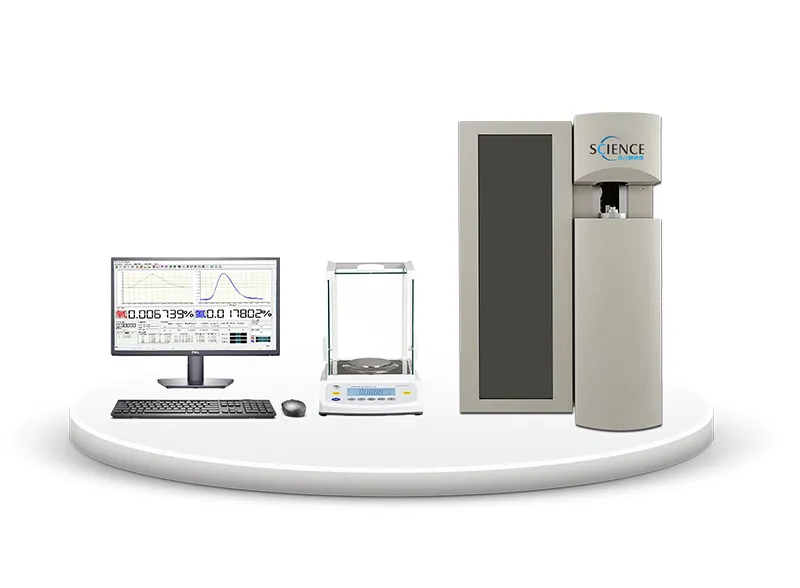
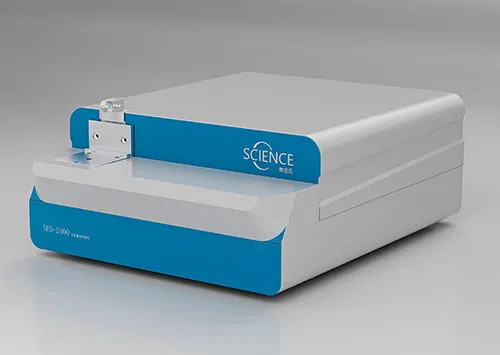
The SES-706 Tube Furnace Infrared Carbon Sulfur Analyzer utilizes resistance heating (SiC heating elements). It doesn’t rely on the sample's conductivity. It heats the environment, not just the sample.
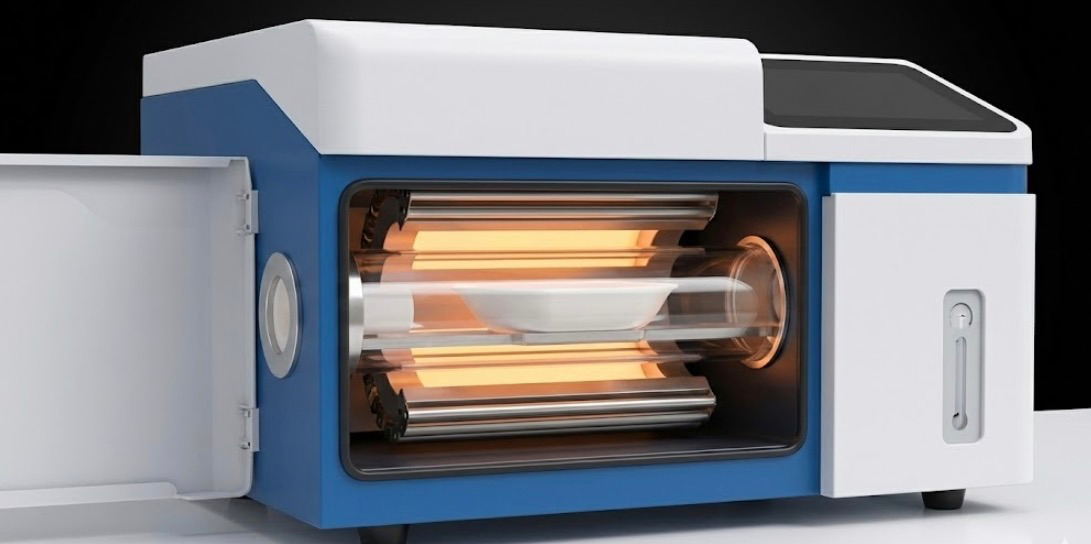
Here is why this matters for your bottom line:
Because the furnace heats up via external radiation, you do not need expensive Tungsten flux.
· Financial Win: Save thousands of dollars annually on consumables.
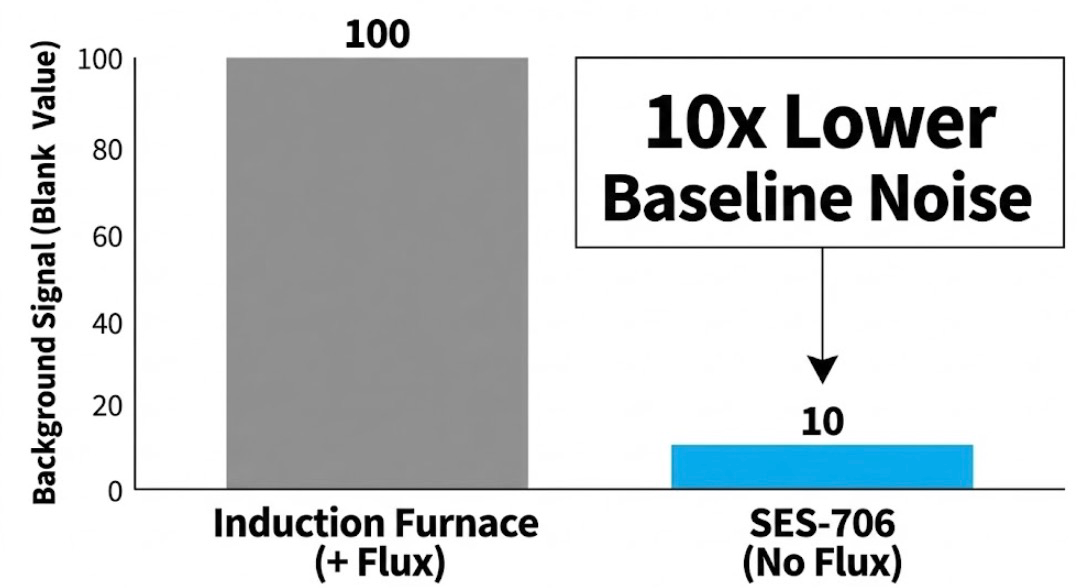
· Analytical Win: No flux means a cleaner baseline. Measuring ultra-low sulfur in battery cathodes becomes significantly easier without the background interference.
Unlike the "all-or-nothing" blast of an induction furnace, the SES-706 offers precise temperature control (up to 1550°C).
· No Splashing: The sample burns quietly and completely.
· Reduced Maintenance: Say goodbye to cleaning filters every 20 samples. Our users report running hundreds of samples without needing to dismantle the gas path.
In mining and geology, a 0.1g sample is rarely representative of the whole pile. The SES-706 utilizes large ceramic boats that can hold up to 1000mg of sample.
This reduces sampling error and provides data you can trust.
| Feature | High-Frequency Induction Furnace | SES-706 Tube Resistance Furnace |
| Best For | Steel, Alloys, Copper | Batteries, Coal, Cement, Ores, Biomass |
| Heating Method | Induction (Requires conductive sample) | Radiation (External heating) |
| Flux Required? | Yes (Tungsten/Iron - Expensive) | No (Huge cost savings) |
| Combustion Style | Violent/Explosive | Gentle/Controlled |
| Dust & Maintenance | High frequency of cleaning | Low maintenance |
| Sample Mass | Small (~0.2g) | Large (up to 1.0g) |
The SES-706 isn't just a standard tube furnace; it is an analytical powerhouse designed for modern compliance.
· Dual NDIR Detectors: Whether you are testing 99% Carbon in graphite or 5ppm Sulfur in precursors, the solid-state detectors switch ranges automatically for perfect linearity.
· Smart Dehydration: Analyzing coal or biomass? Moisture is the enemy of infrared analysis. The SES-706 features a multi-stage electronic cooling and chemical drying system to eliminate water interference.
·International Compliance: Fully compliant with ISO 15350, ASTM E1019 (adapted), and GB/T 20123.
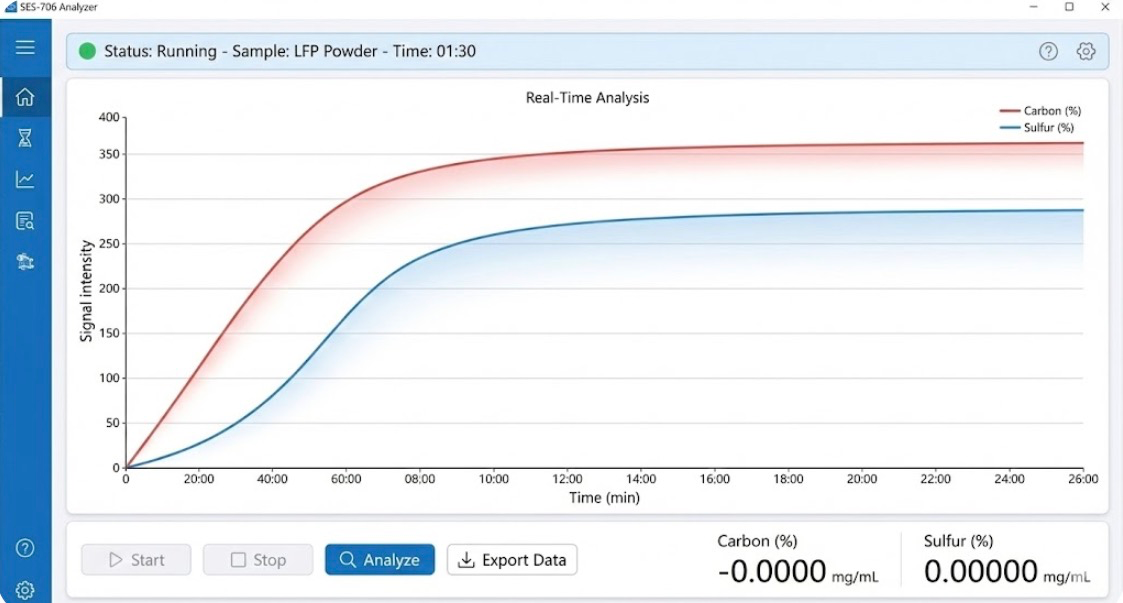
Problem: A manufacturer of LFP cathode materials was failing audits due to unstable Sulfur readings (target <50ppm). Their HF furnace required too much flux, masking the real signal.
Solution: Switching to the SES-706 allowed them to test large samples (500mg) at a steady 1350°C without flux. The result? Signal-to-noise ratio improved by 10x, and consumable costs dropped by 80%.
Problem: Technicians were spending 1 hour every day cleaning dust filters because of the violent combustion of coal in their induction furnace.
Solution: The SES-706's gentle combustion prevented powder splashing. The maintenance cycle went from "Daily" to "Weekly," dramatically increasing lab throughput.
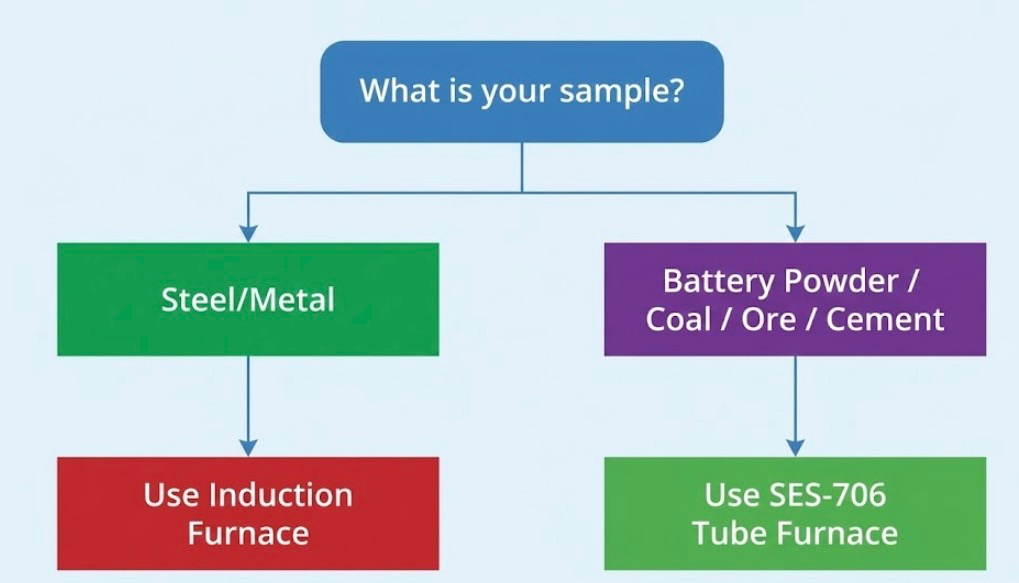
If you are strictly melting steel, stick with induction.
But if your lab analyzes powders, non-metals, or complex organic matrices, the SES-706 is the specialized tool you have been waiting for.
Don't let dust and expensive consumables eat into your profits.
We don't just sell instruments; we sell guaranteed results.
Send us your most difficult sample. We will run it on the SES-706 and send you a full application report—including the raw spectral data—for free.