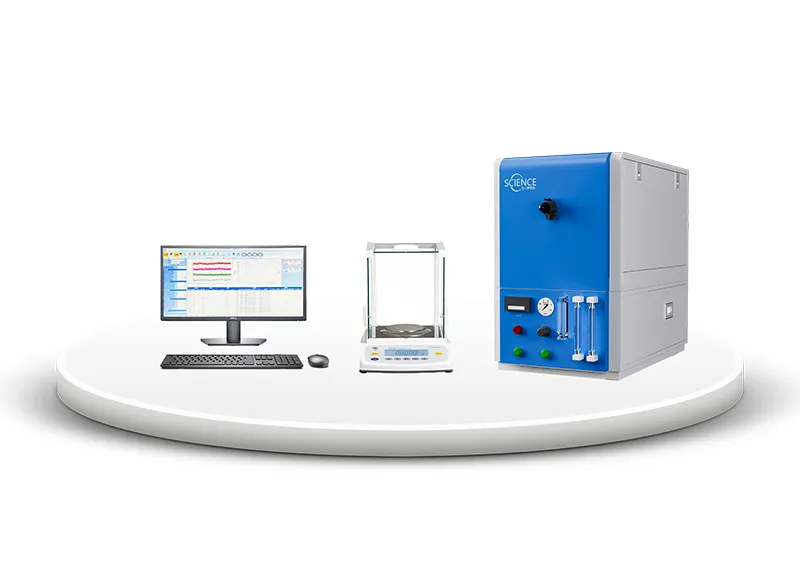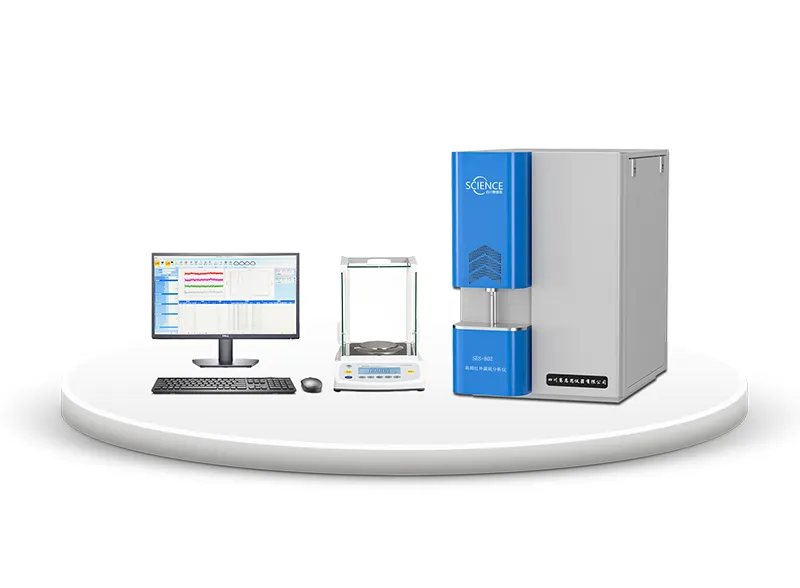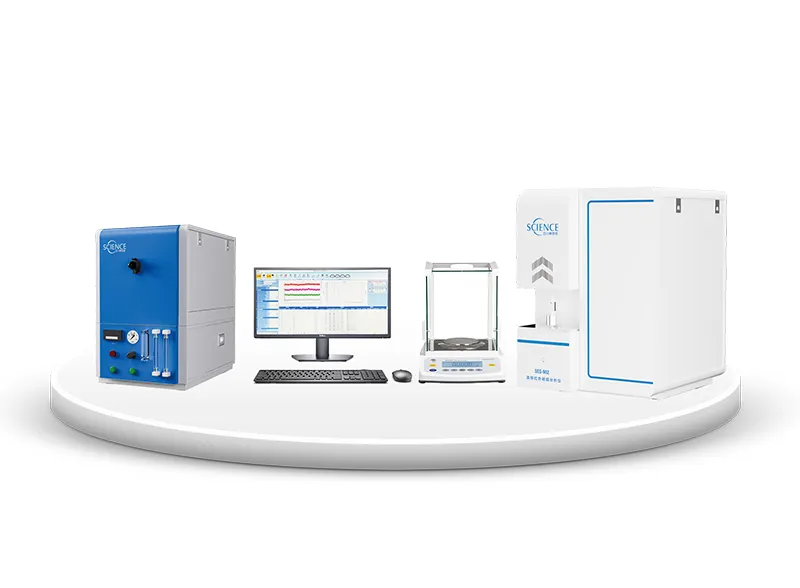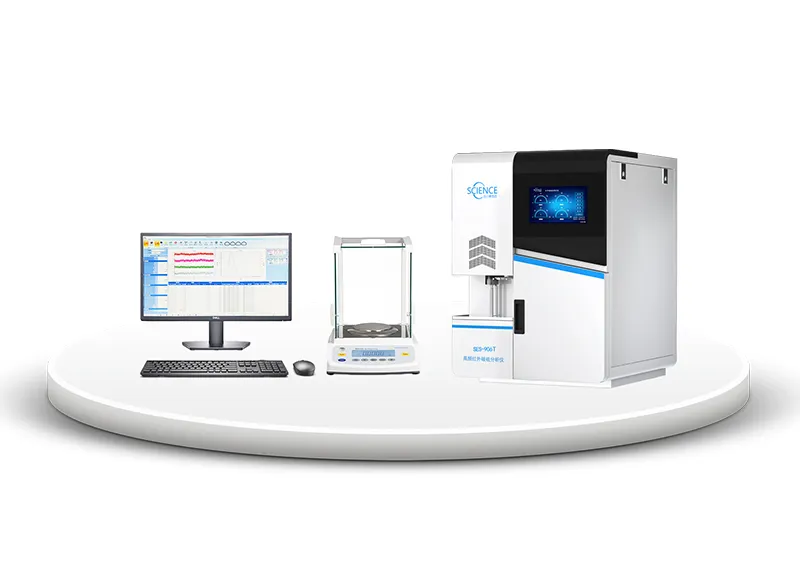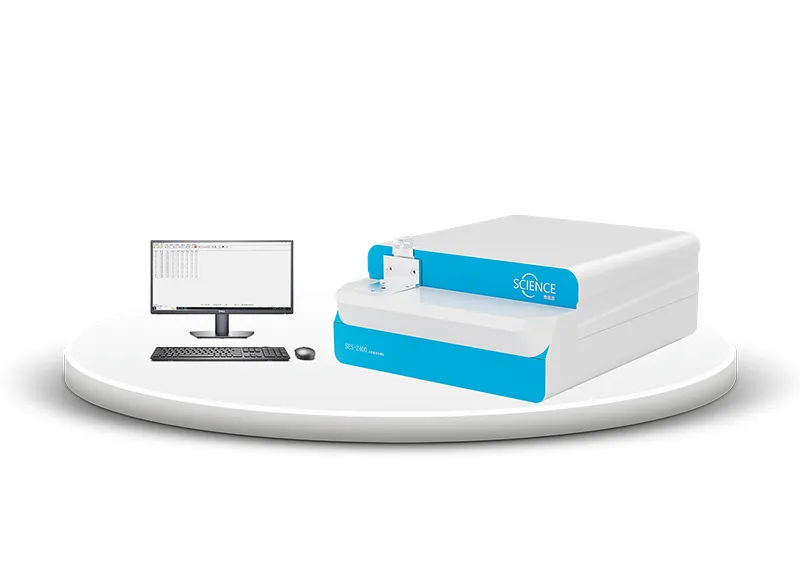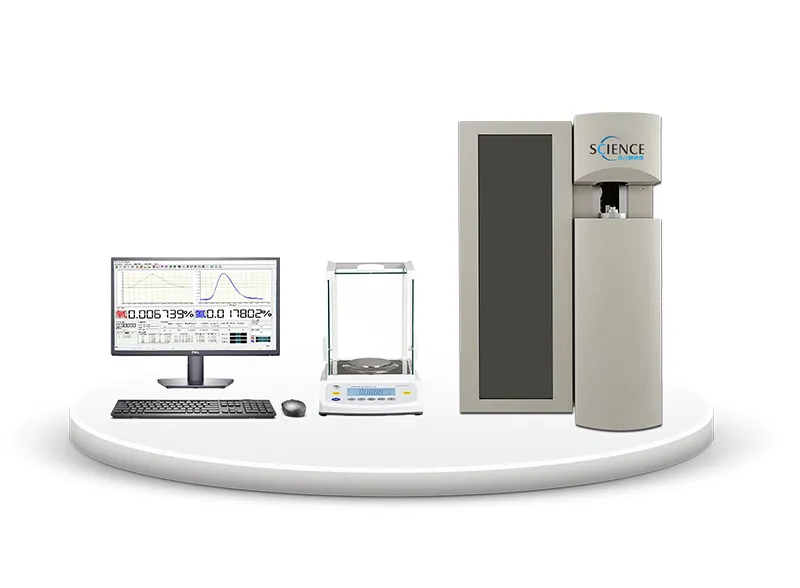
As a standard laboratory instrument, an oxygen-nitrogen-hydrogen analyzer can simultaneously perform quantitative analysis to determine the content of O, N, and H elements in organic compounds, inorganic materials, and metal materials. It is widely used in the research of chemistry, materials science, medicine, food, and environmental studies, revealing changes in compound properties through the determination of O, N, and H elements to obtain useful information.
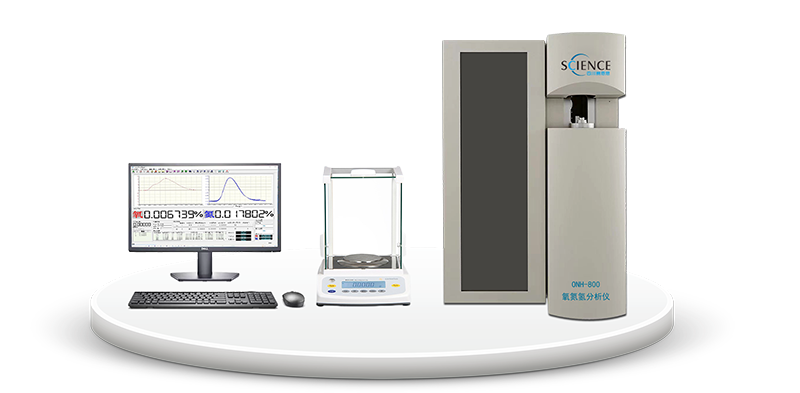
The Oxygen Nitrogen Hydrogen Analysis sample is heated and melted in a graphite crucible in the presence of an inert gas flow. The pulse furnace temperature can be freely set and is monitored in real-time by a non-contact optical temperature sensor to ensure the complete decomposition of the sample. The carrier gas transports the resulting mixed gases to high-sensitivity infrared and thermal conductivity detectors for measurement.
The oxygen in the sample reacts with carbon in the graphite crucible to form carbon monoxide. The nitrogen and hydrogen in the sample escape in the form of nitrogen gas and hydrogen gas. These mixed gases are transported by the carrier gas to a high-temperature conversion furnace. In the conversion furnace, carbon monoxide is converted into carbon dioxide, H₂ is converted into H₂O, and nitrogen does not react. The mixed gases that have passed through the conversion furnace are then sent to the CO₂ infrared detection cell and the H₂O infrared detection cell, where carbon dioxide and H₂O are detected, and the content of oxygen and hydrogen is calculated. After infrared detection, the carbon dioxide and water in the mixed gas are adsorbed. The remaining gas mixture of nitrogen and helium is then sent to a thermal conductivity detection cell for measurement. After separation, the nitrogen enters the thermal conductivity cell to be detected for its nitrogen content. A computer then processes the data and provides the test results directly.