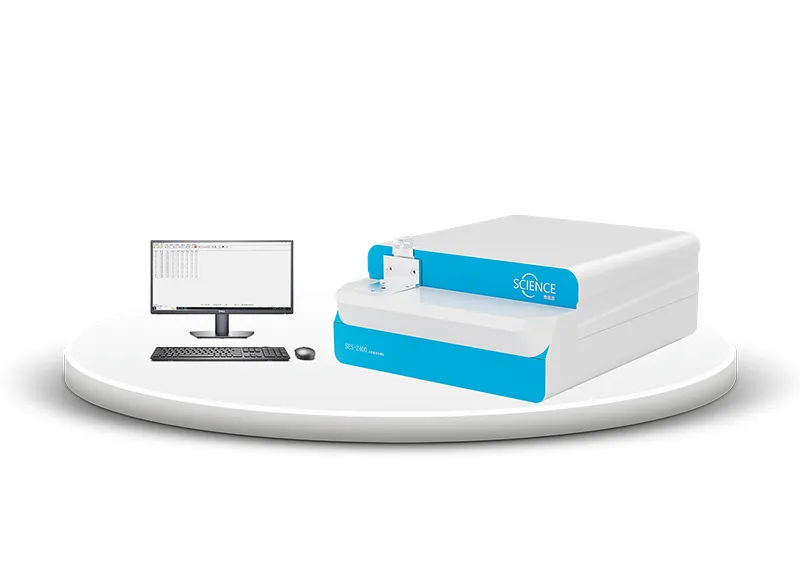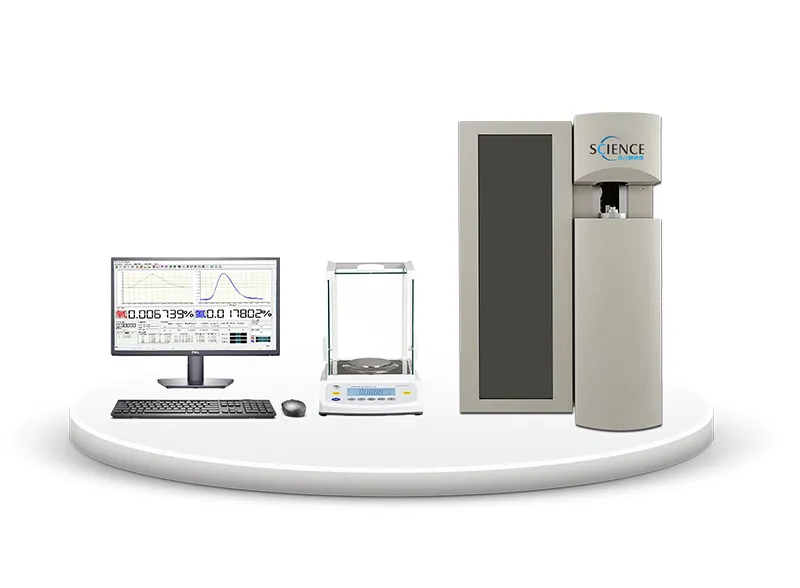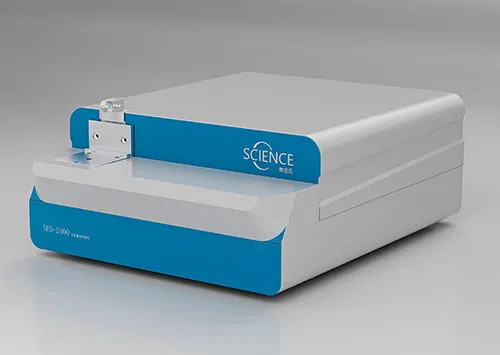
The wavelengths of elements such as C, P, and S are absorbed in an air environment, which affects the test results. Therefore, the optical chamber must be in a vacuum or pure argon state to ensure the accuracy of the results.
Full-spectrum direct-reading spectrometers on the market are generally divided into two types: vacuum optical chambers and argon-filled optical chambers. The specific differences are as follows:
Price: The focal length of a vacuum optical chamber is generally 350-500mm, while that of an argon-filled one is 250-350mm. A smaller optical chamber has a lower cost, so the price of a spectrometer with an argon-filled chamber is generally lower.
Operating Cost: A vacuum optical chamber only needs a vacuum pump that operates intermittently to maintain the stability of the instrument's detection state. Pumping for about 5 minutes can maintain a vacuum for 4 hours, so the operating cost is low. Because 99.999% high-purity argon is very expensive, argon-filled optical chambers are made smaller to save argon. However, even with this reduction in size, argon must be continuously supplied to maintain the concentration inside the chamber, resulting in a very high rate of argon consumption.
Maintenance Cost: A vacuum device typically has a power of about 500W upon startup and needs to work for only 5-10 minutes to maintain a vacuum for 4 hours. Due to its low usage frequency, the vacuum pump only needs its oil replaced after 1-2 years, with the cost being under 200 yuan. No matter how high the purity of high-purity argon, it will contain impurities and moisture particles, so a special filtration device must be used to filter the argon. However, depending on the frequency of use, the replacement time varies, and the cost of one replacement is typically close to 10,000 yuan.
In short, while a vacuum optical chamber has a slightly higher purchase price, its long-term operating cost is very low, and it is less likely to contaminate the optical chamber. An argon-filled optical chamber is small, consumes less material, and has a slightly lower initial purchase price. However, argon consumption is very high, and maintenance costs are high in the long run. It is also more prone to contaminating the optical chamber. From a long-term perspective, a vacuum optical chamber is more suitable.