In the competitive landscape of steel and alloy production, the laboratory is the heartbeat of quality control. For Lab Managers and QC Engineers, the challenge is constant: delivering highly accurate Carbon and Sulfur results under tight production schedules.
Traditional chemical analysis methods are often too slow, while entry-level combustion analyzers struggle with stability during continuous operation. This creates a bottleneck—where production waits for validation, or worse, defective materials slip through due to measurement errors.
The industry standard is shifting decisively toward High-Frequency Infrared Carbon Sulfur Analyzers. Understanding the mechanics behind this technology is key to selecting the right equipment for your facility.
The core of reliable C/S analysis lies in two critical components: the combustion efficiency and the detection sensitivity.
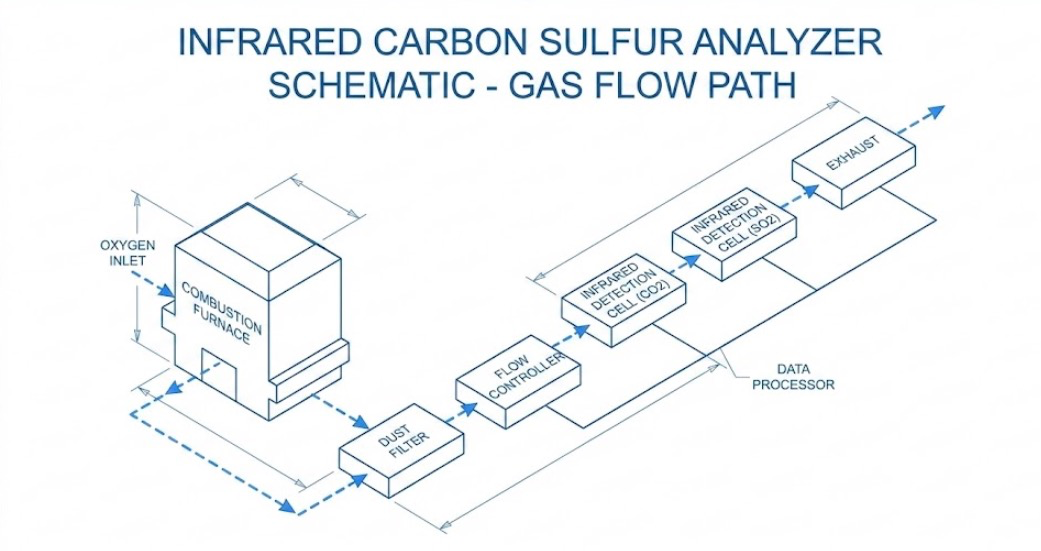
Combustion System: A high-frequency furnace creates a rapid, intense electromagnetic field that melts the sample instantly in an oxygen stream. This ensures the complete release of Carbon (as CO₂) and Sulfur (as SO₂).
Infrared Detection: The gas flows into detection cells where specific wavelengths of infrared light are absorbed. The amount of absorption correlates directly to the concentration of the elements.
However, not all analyzers are created equal. The difference lies in the gas flow design and software algorithms.
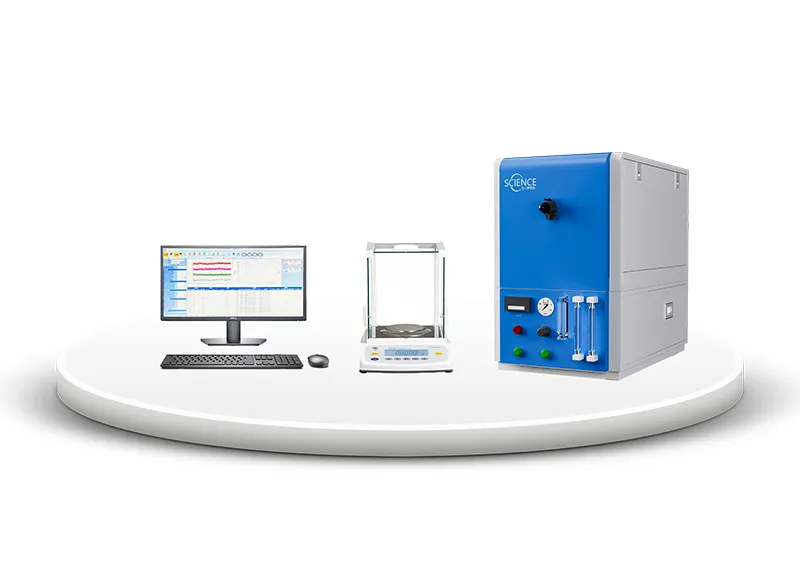
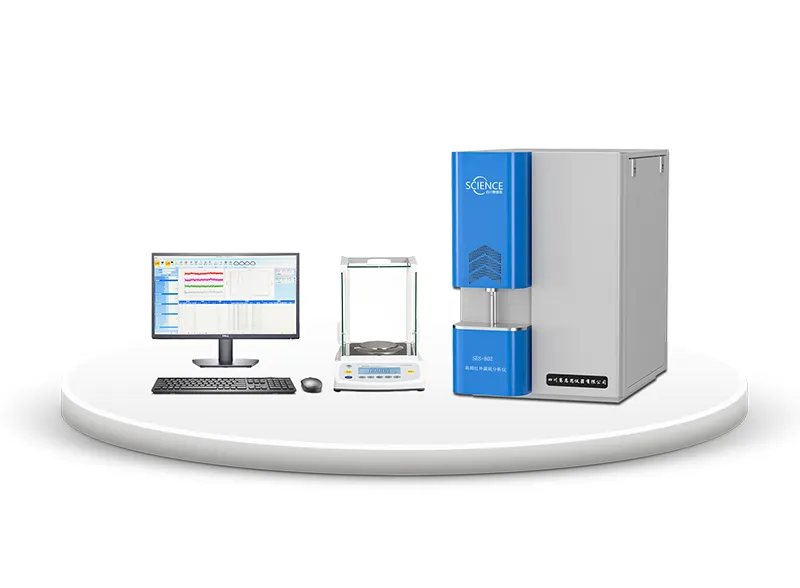
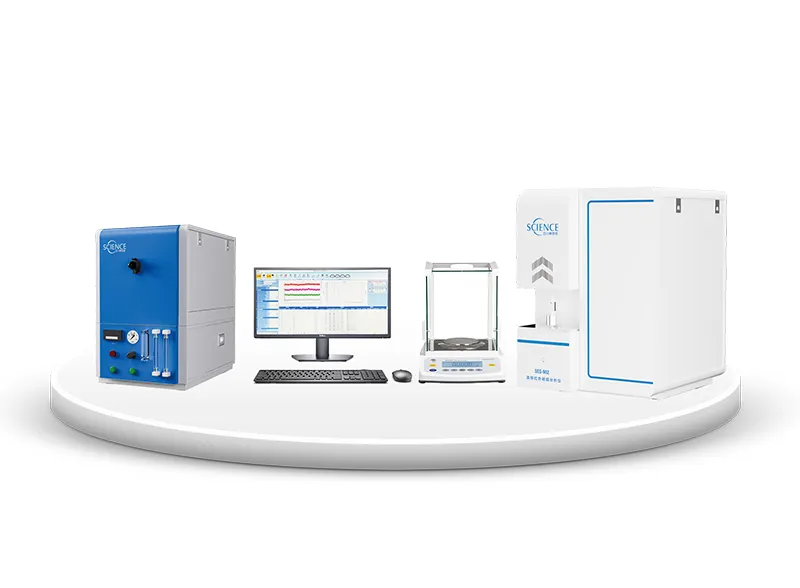
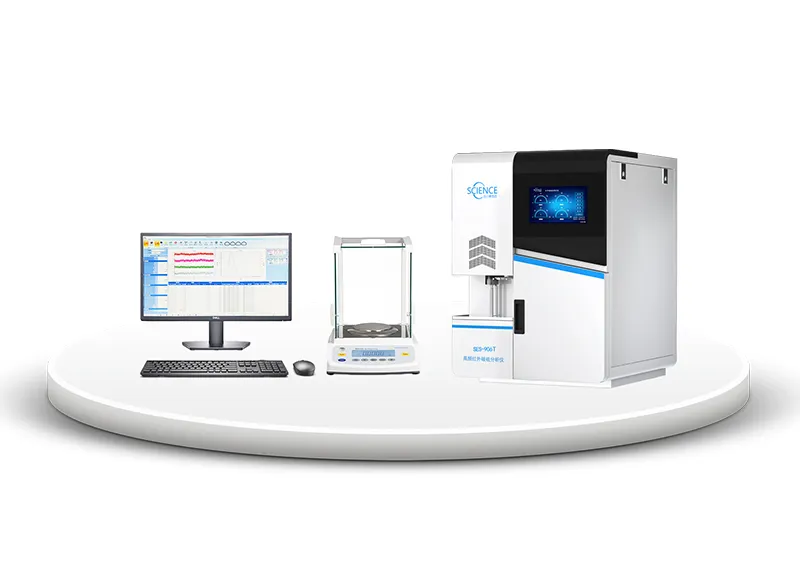
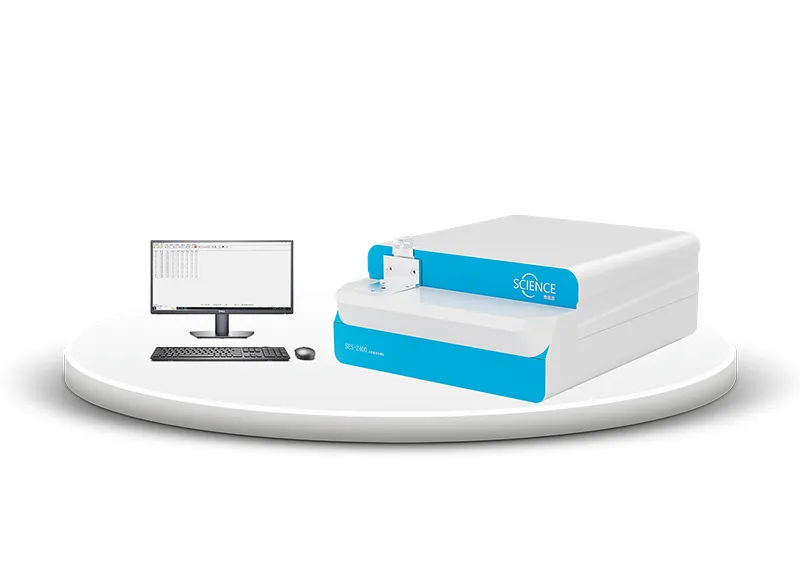
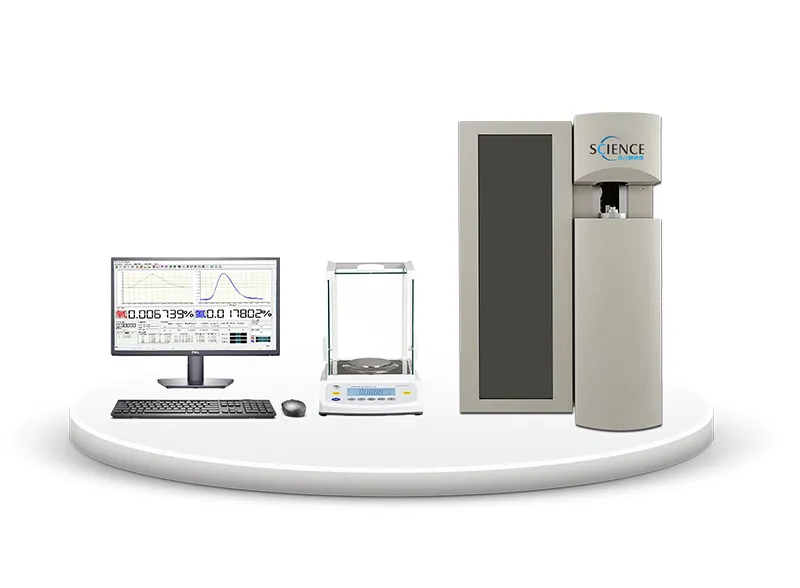
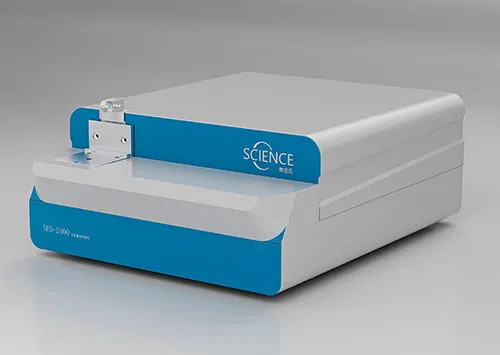
At Sichuan Weihong Technology, we developed the SES-802 High-Frequency Infrared Carbon Sulfur Analyzer to address the specific pain points of modern foundries and testing centers. It is not just a machine; it is a stability guarantee.
Key Technical Advantages:
· Optimized Pneumatic System: By utilizing a standard high-pressure disconnect valve, the SES-802 minimizes gas leakage and maintenance downtime.
· Advanced Detection Capabilities: The ultra-low drift infrared cells ensure that even trace amounts of Carbon and Sulfur are detected with high repeatability (RSD ≤ 0.5% for Carbon).
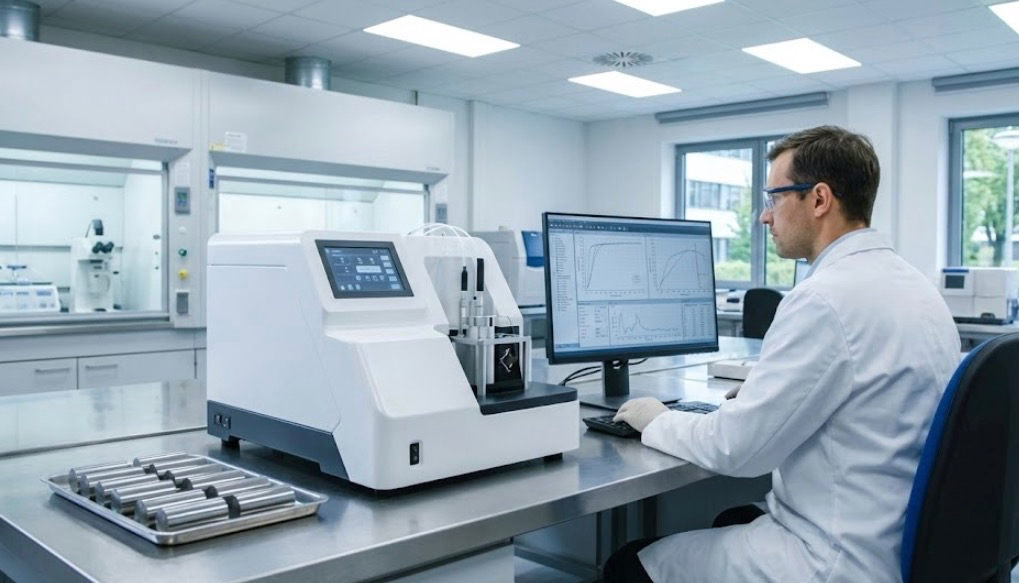
· Intelligent Software: Our Windows-based interface offers real-time curve monitoring (dynamic curve), allowing operators to visualize the combustion process and identify anomalies instantly.
Investing in the SES-802 goes beyond technical specs. It impacts your bottom line:
· Reduced Consumables: The efficient combustion design lowers oxygen and catalyst consumption over time.
· Time Efficiency: With analysis times typically under 40 seconds, you can process more samples per shift, accelerating the feedback loop to the furnace floor.
· Data Integrity: Automated data logging and easy export features simplify compliance with ISO and ASTM standards.
Precision in Carbon and Sulfur analysis is non-negotiable for product integrity. Whether you are analyzing steel, iron, ore, or ceramics, the equipment you choose defines your laboratory's capability.
The SES-802 combines robust engineering with user-friendly operation, making it the smart choice for facilities demanding accuracy without complexity.
Ready to upgrade your laboratory's capabilities? Please contact us.