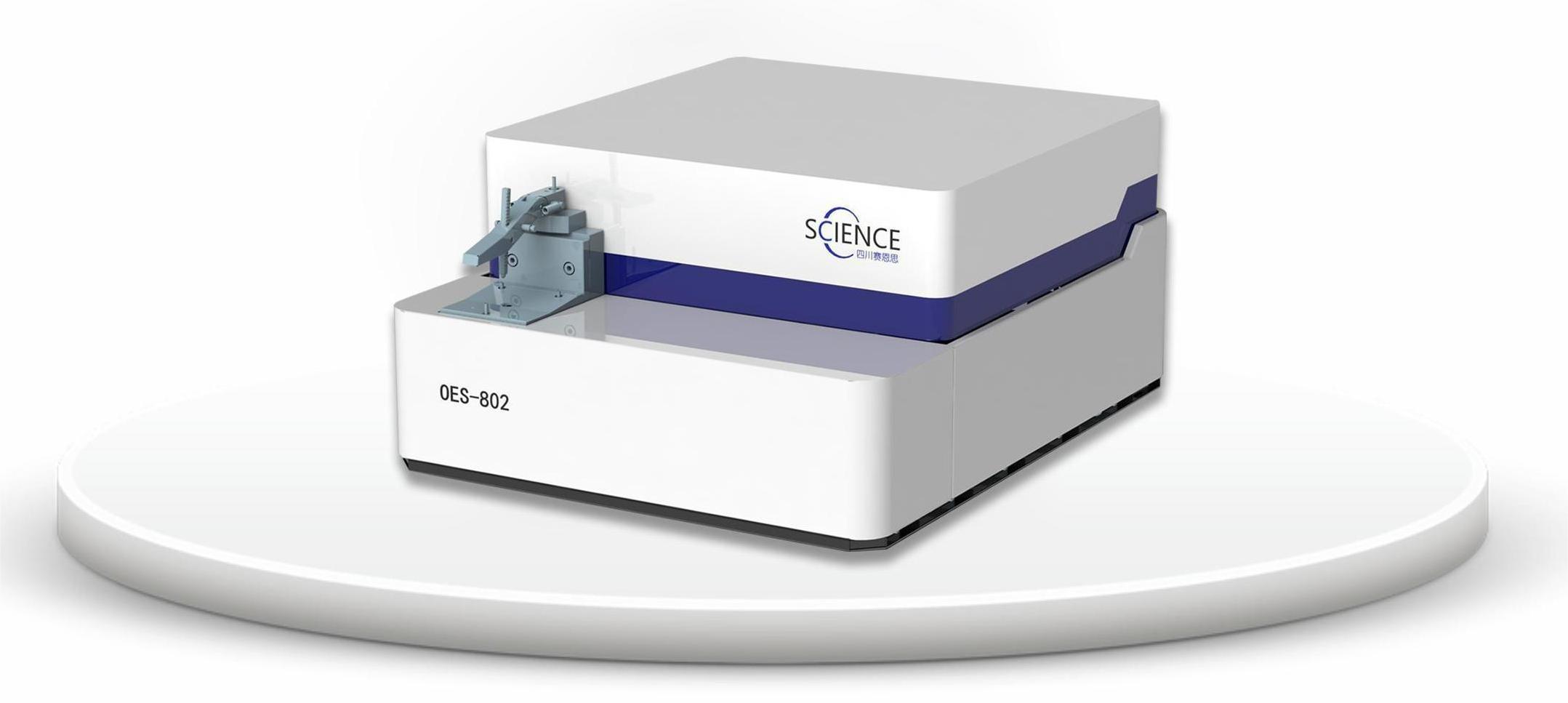
The argon flow rate is the volume of argon gas, measured in liters per minute (L/min), that flows into the instrument. Since optical emission spectrometry is performed in an argon atmosphere, the flow rate is a critical parameter to maintain this environment.
If the argon flow rate is too low, the air inside the spark chamber won't be completely purged. The oxygen in this residual air will strongly absorb ultraviolet light, significantly weakening the spectral line intensity and causing a sharp drop in analytical sensitivity. Additionally, insufficient heat dissipation can deform the sample or electrode. The presence of air and oxides from the sample can also lead to a diffuse discharge. Large amounts of metal vapor or dust produced during excitation won't be cleared from the spark chamber, which can easily contaminate the focusing lens. All of these issues will negatively impact the accuracy of the analysis.
On the other hand, if the argon flow rate is too high, it can cause the spark to become unstable and jump around, which also affects the accuracy of the results. An excessive flow rate is also wasteful and increases operating costs.
Therefore, selecting the optimal argon flow rate is essential. The ideal setting will vary depending on the specific analytical parameters used.