An alloy is a substance with metallic properties created by combining two or more metals, or a metal with a non-metal. Alloying allows us to create materials with superior performance and characteristics. In copper alloys, various elements contribute to the material's properties in different ways.
Bismuth (Bi): Bismuth improves the alloy's machinability but increases its cold and hot brittleness while reducing its ductility and toughness.
Manganese (Mn): Manganese enhances strength and corrosion resistance but increases the tendency for stress corrosion.
Iron (Fe): Iron refines the grain structure, increasing strength and toughness while decreasing fluidity.
Nickel (Ni): Nickel expands the α-phase region, refines grains, and improves strength, ductility, corrosion resistance, and high-temperature strength.
Silicon (Si): Silicon shrinks the α-phase region and improves wear resistance, corrosion resistance, and fluidity while reducing the tendency for stress corrosion.
Aluminum (Al): Aluminum also shrinks the α-phase region and increases strength, hardness, fluidity, and corrosion resistance. It reduces ductility and promotes deoxidation.
Magnesium (Mg): Magnesium reduces intergranular corrosion and increases strength and hardness, but it significantly lowers ductility and increases the tendency for hot and cold cracking.
Phosphorus (P): Phosphorus promotes deoxidation, improves fluidity, and enhances weldability and corrosion resistance.
Boron (B): Boron refines the grain structure, promotes deoxidation, and improves resistance to dezincification corrosion.
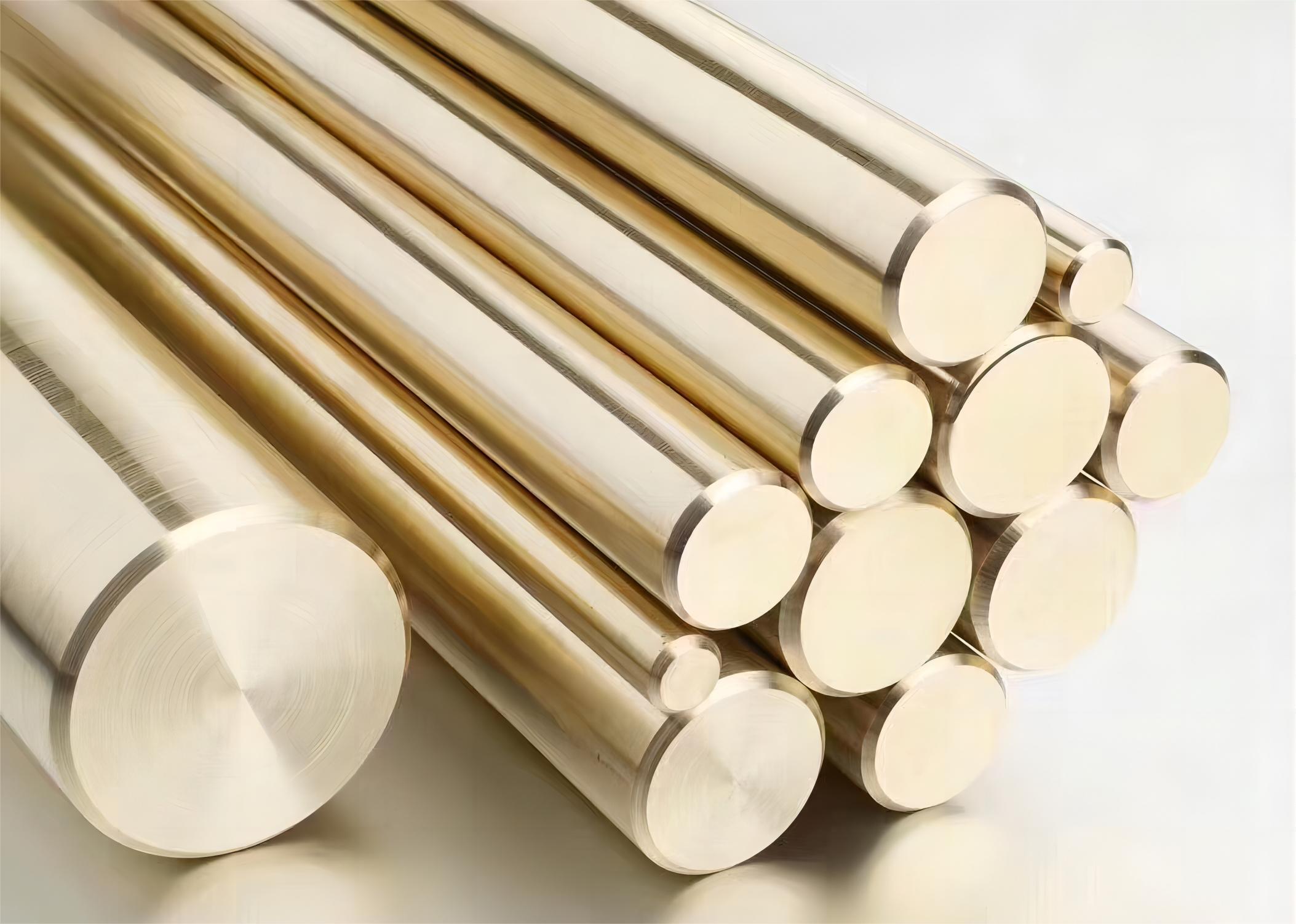
It's critical to ensure that these elements do not exceed standard values during the melting process, as this can cause defects like cracking. For example, a common issue is a crack-like defect on the polished surface of a copper alloy rod. Analysis often reveals that these defects are composed of compounds of boron, iron, and manganese. This indicates that an excess of these elements was not fully melted and evenly distributed, leading to the formation of segregated inclusions. In arsenic copper alloys, carefully controlling the levels of copper and arsenic can provide excellent resistance to dezincification.
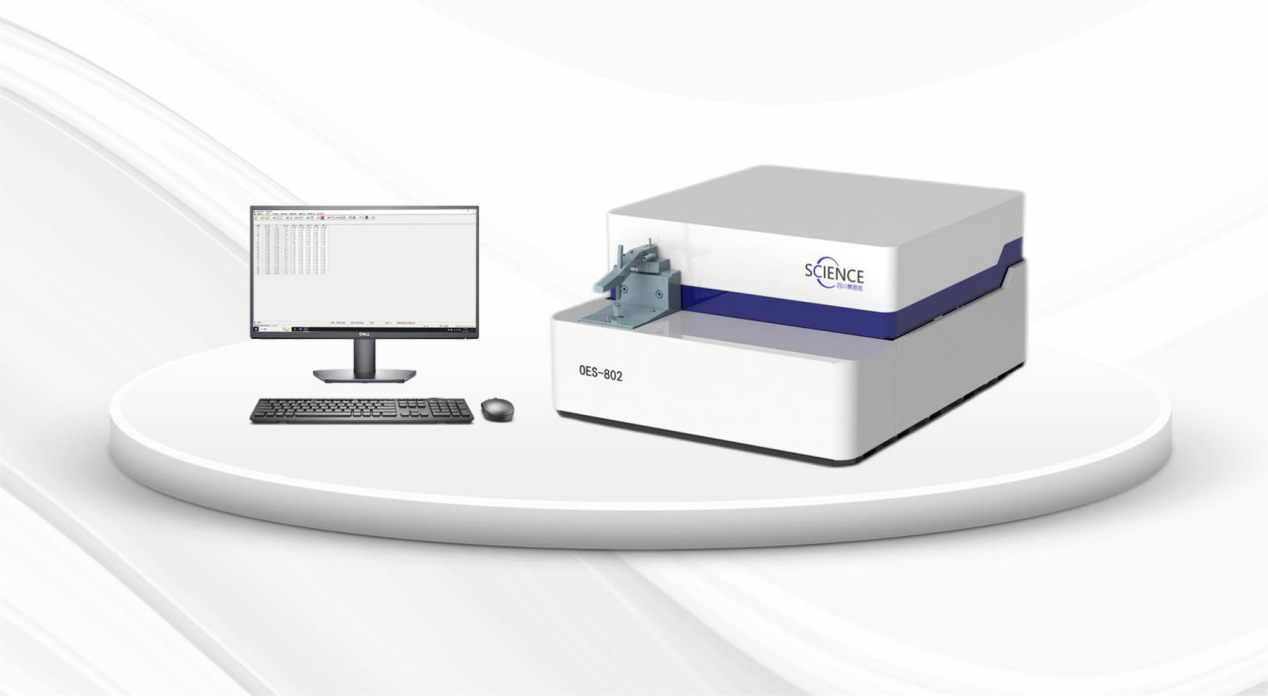
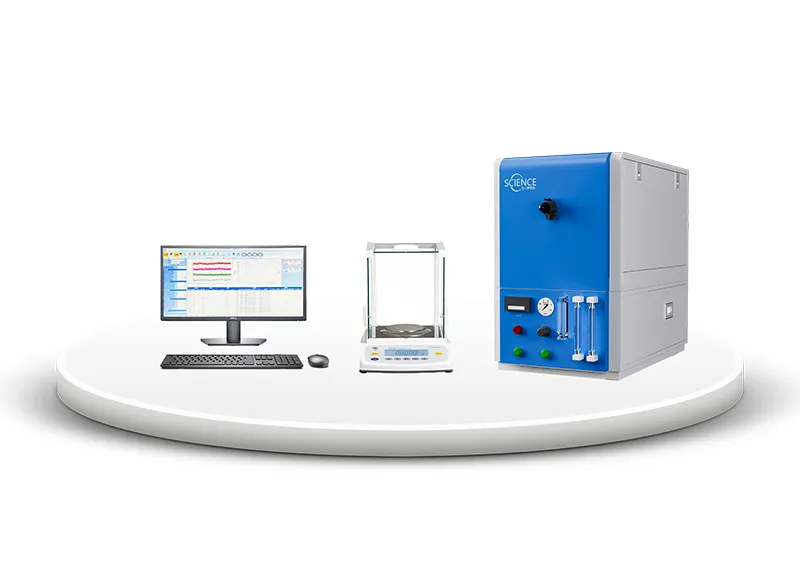
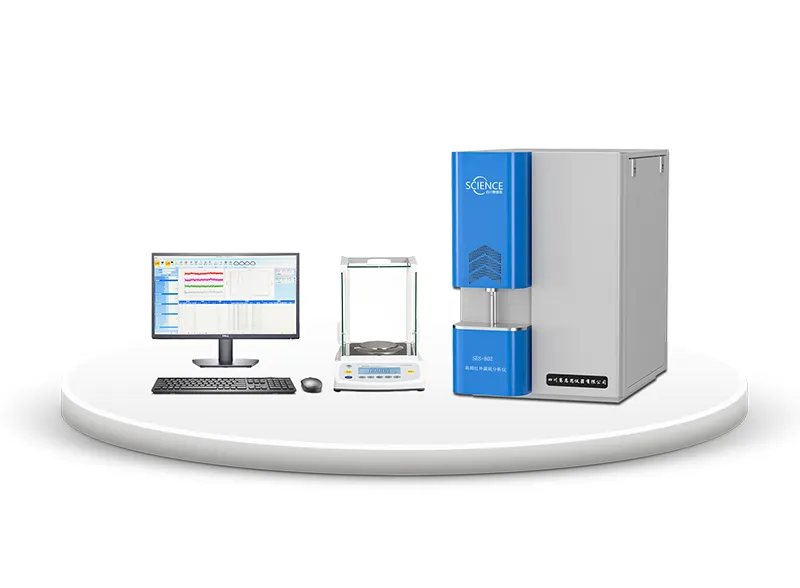
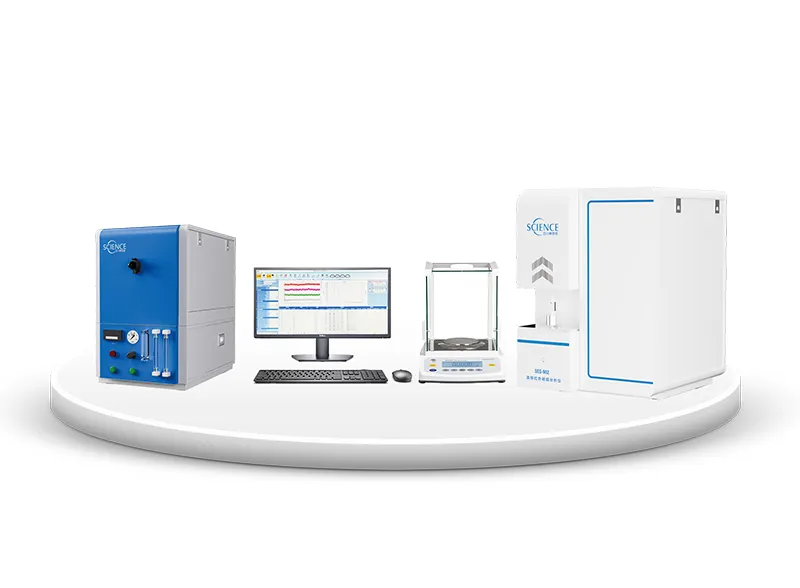
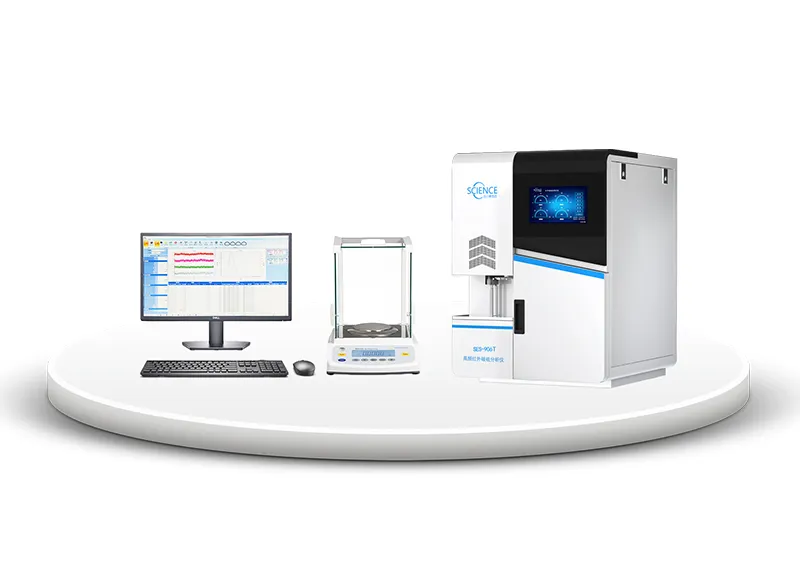
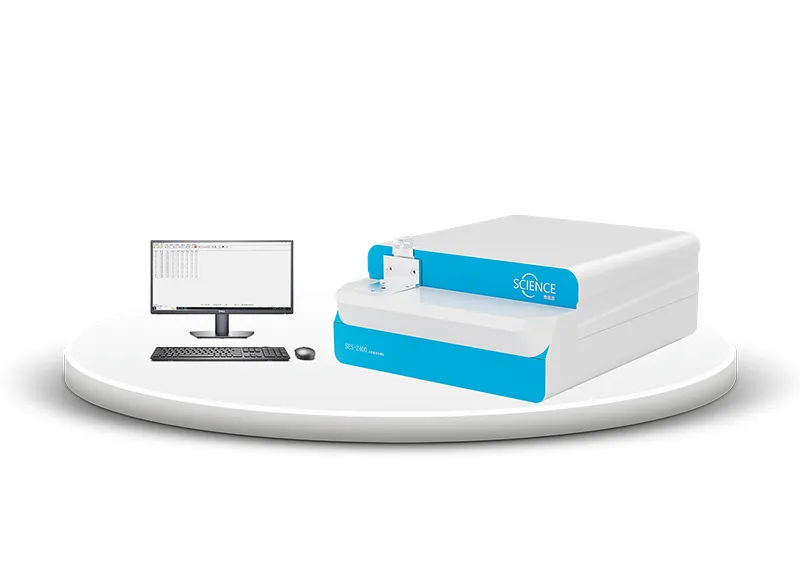
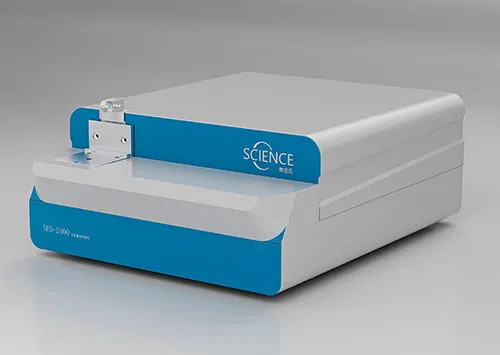
In practical production, engineers use a direct-reading spectrometer to quickly and accurately analyze the elemental composition of copper alloys. This instrument can simultaneously measure the content of metallic elements like copper, lead, iron, tin, aluminum, nickel, magnesium, manganese, bismuth, and chromium, as well as non-metallic elements like carbon, phosphorus, and sulfur. This makes it a highly effective tool for rapid on-site analysis at the furnace.