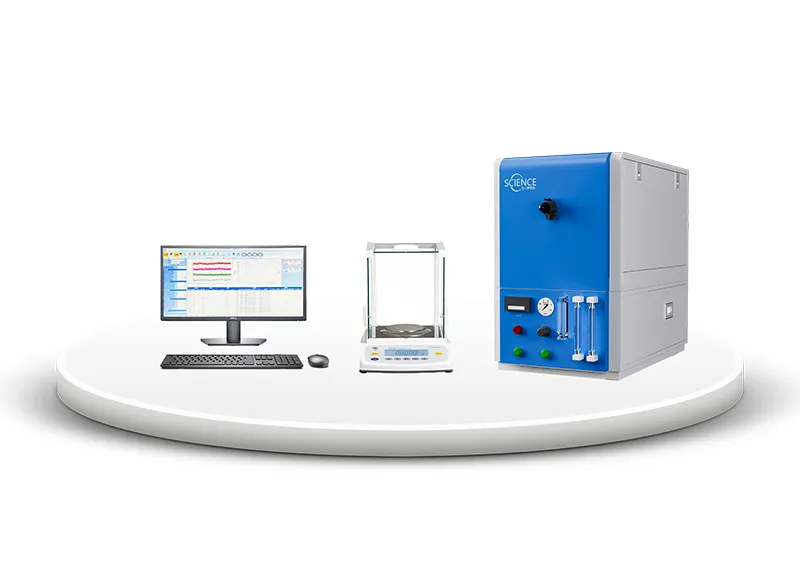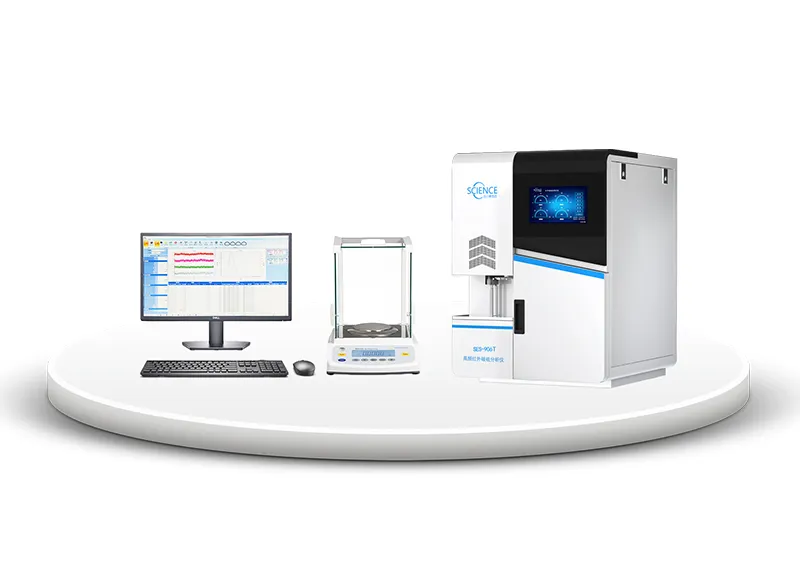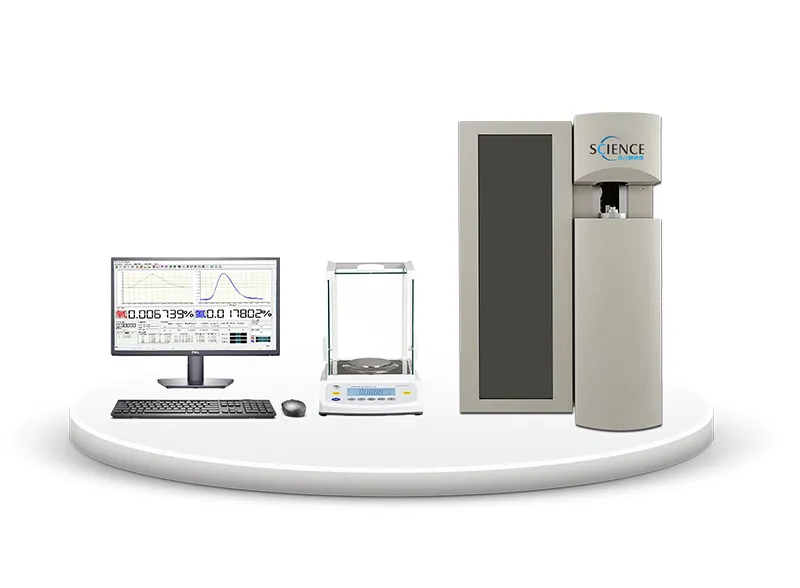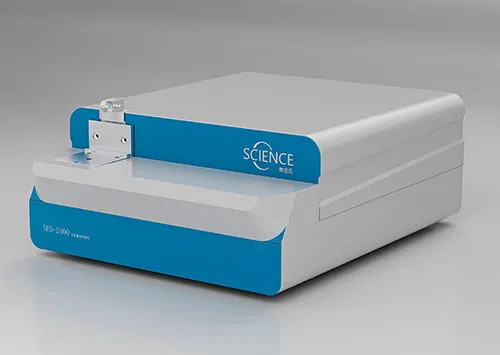
When using an infrared carbon-sulfur analyzer, you may sometimes encounter gas leaks. Depending on the size of the leak, it will affect the stability of the analytical data to varying degrees. So, how do you detect and fix a leak? Below are some simple methods.
I. First, Perform a Leak Test:On the analysis interface, click "Diagnosis" -> "Blow Oxygen." When the furnace head pressure gauge reads 0.08 Mpa, click "Blow Oxygen" again to uncheck the "V." Observe whether the pressure gauge pointer remains still. If it stays around 0.07 Mpa or drops less than 0.01 Mpa per minute, it is considered not to be leaking. Otherwise, it is leaking.
II. Leak Detection Methods:Check-in-sections method and check what you last moved first method.
If you recently serviced the instrument and moved a gas line, first check the area that was moved. Is the tube properly inserted? Is the seal aged or deformed? If it's a large leak, you can often find the source by listening carefully. Once found, perform the necessary repairs.
If you cannot visually locate the leak, divide the entire gas path system into two main sections and check them separately: Remove the small analysis gas drying tube, use your hand to press on the lower port, and check for leaks by observing if the pressure gauge pointer is stable.
a. If there is no leak, the problem is not in the front part of the furnace head. Reinstall the drying tube, then sequentially remove the tubes in the back half and check for leaks one by one until you find the leaking part. Leaks in the back half are often found in the gas chamber's connectors and seals near the light source. Perform the necessary replacement. (To check the gas chamber, you can remove it, along with the light source and circuit board. Turn on the gas first, then immerse the gas chamber in water to observe where the bubbles are. Be sure to turn the gas on first, then immerse it, and wipe the water dry after removing it. Throughout the process, ensure no water gets inside the gas chamber.)
b. If there is a leak, you need to check the front part first: 1) Oxygen Carrier: Use your hand to press on the oxygen outlet at the bottom of the crucible holder and check for a leak. If it's leaking, check the connector between the oxygen carrier tube and the furnace base, as well as the connectors at both ends of the dust filter. A loose filter cap or an aged seal can also cause a leak. 2) Furnace Head: Related areas include: (1) the dust removal tube and compression valve, (2) the carrier gas connector, (3) the area between the bracket and the quartz tube, (4) the seal between the furnace head and the quartz tube, (5) a broken quartz tube, (6) the seal between the oxygen blow cap and the furnace head, and (7) the connector between the cleaning cylinder and the furnace head. (8) Other areas like four-way connectors, etc. 3) Oxygen Blow: If you connect a tube to the oxygen blow port on the furnace head and block the end of the tube, and there is no leak, then the leak is in the oxygen blow path. You should mainly check the flowmeter and the connectors at the outlet of the oxygen blow valve. 4) Common Front Half Leaks: Frequently occur at the dust removal tube, compression valve, the two gas inlet/outlet connectors on the furnace head, and the seals.
Another type of leak: A leak that occurs during analysis but not during the "Diagnosis - Blow Oxygen" test may be caused by:
Low dynamic air pressure, or when sharing an oxygen source, the outlet pressure is low and a long gas line causes significant pressure loss. An overtightened drum-shaped nut can reduce the inner diameter of the gas tube, causing an obstructed gas flow. This can prevent the compression valve from fully pressing and sealing the dust removal tube, creating a large leak during analysis.
A clogged filter can also cause this type of leak. A large volume of gas cannot smoothly switch to a forward blow when the valve closes, leading to high pressure inside the dust removal tube and preventing the compression valve from quickly sealing it.
The power gas for the cleaning cylinder is connected backward. During analysis, the blow nozzle hits the crucible, preventing the holder from rising completely and causing a leak at the bottom of the furnace head.
Check these issues one by one and perform the appropriate repairs.
The above are some simple methods for checking leaks in an infrared carbon-sulfur analyzer. When checking for leaks, you must first understand the gas path's flow and have a clear approach. Judge each section one by one, and do not blindly pull tubes. Otherwise, you may not find the original leak and instead create new leak points. If you are not familiar with the gas path, you might connect the tubes incorrectly, preventing them from being correctly re-positioned.