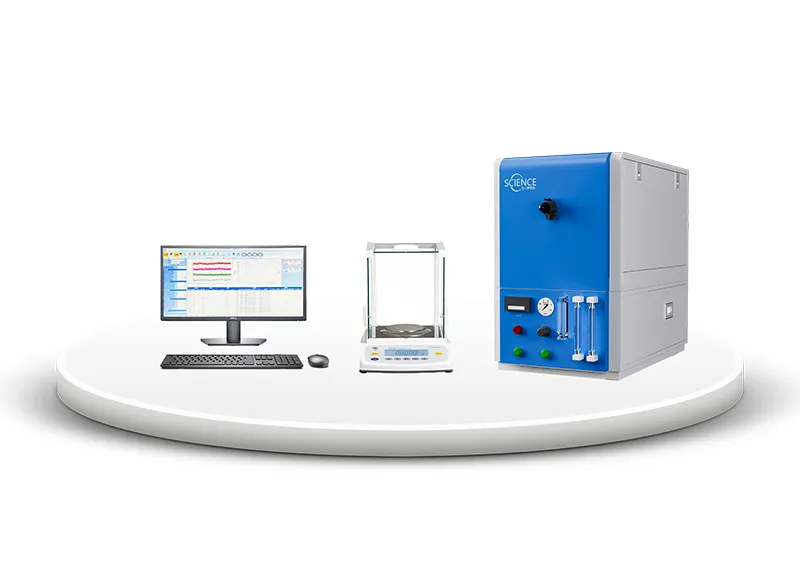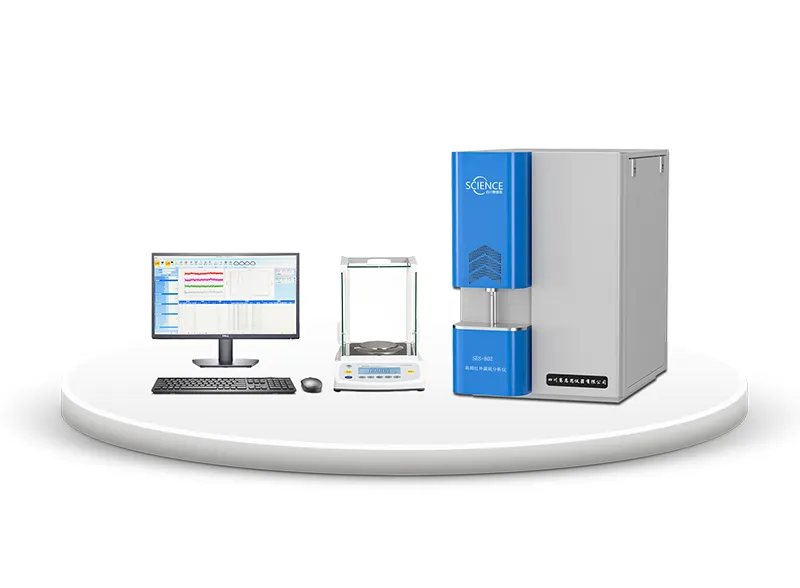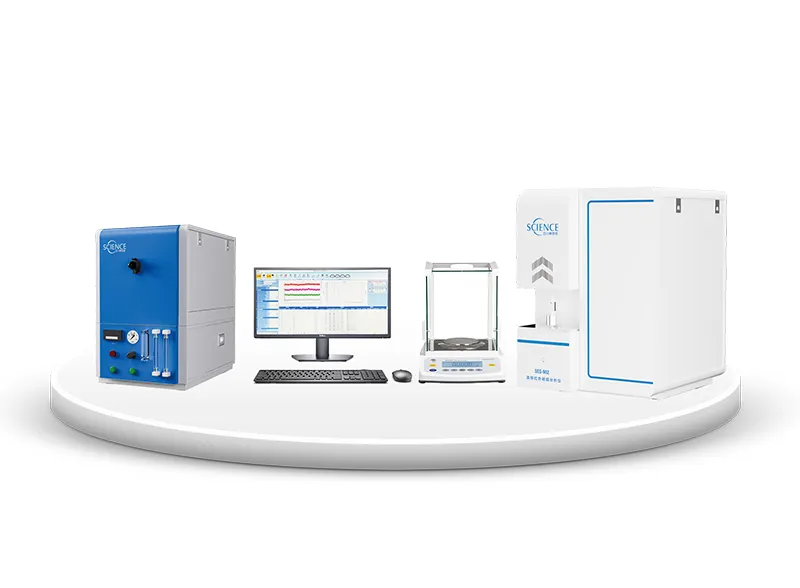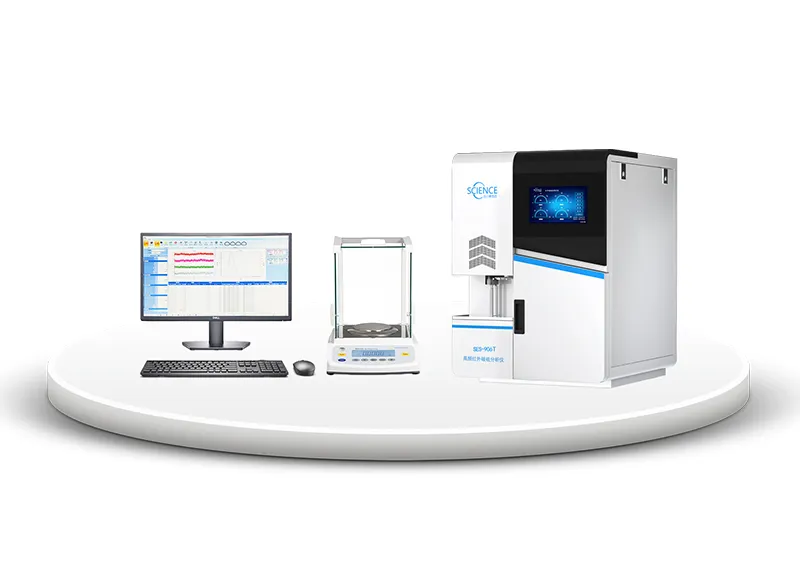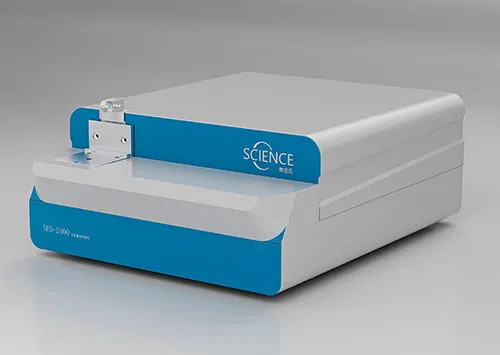
The scientific research field demands high-precision elemental analysis to explore material properties, develop new alloys, and advance technologies in disciplines like materials science, metallurgy, and energy storage. Impurities such as carbon, sulfur, oxygen, nitrogen, or hydrogen, or incorrect alloy compositions, can alter experimental outcomes, similar to aerospace applications where titanium and steel alloys are tested to prevent embrittlement and ensure reliability. Syens’ analytical instruments, including the High-Frequency Infrared Carbon Sulfur Analyzer, Full Spectrum Direct Reading Spectrometer, and Oxygen, Nitrogen, and Hydrogen Analyzer, provide rapid, accurate measurements to support cutting-edge research, ensuring compliance with standards like ISO 9556, ISO 4935, and GB/T 20123. Drawing from capabilities seen in LECO’s analyzers for precise metal analysis and Drawell’s spectrometers for multi-element profiling, Syens’ tools enable researchers to achieve reliable results across diverse materials. Below, we detail their specific applications in scientific research.
This analyzer uses high-frequency induction furnace combustion and infrared absorption to measure carbon and sulfur content, critical for characterizing material properties, akin to aerospace C/S analysis for alloy performance.
Key Applications in Scientific Research:
New Energy Materials: Quantifies carbon (0.0001–99.99%) and sulfur (0.0001–99.99%) in battery electrode materials (e.g., lithium-ion anodes/cathodes) or titanium dioxide to study electrochemical performance and purity, supporting research in renewable energy.
Metallurgical Studies: Analyzes C/S in experimental steel or non-ferrous alloys (e.g., nickel, copper) to investigate phase transformations, corrosion resistance, or mechanical properties for advanced alloy development.
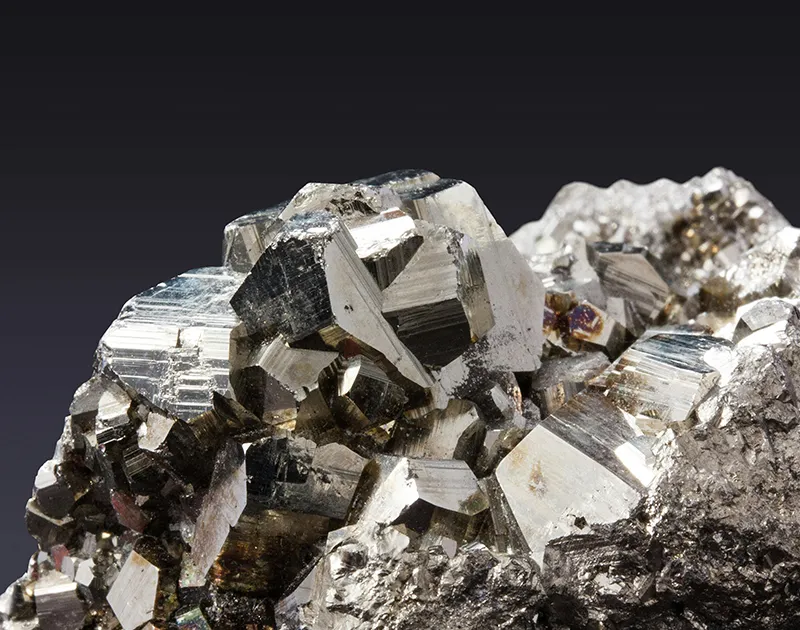
Geological Research: Tests C/S in ores, soils, or refractories to explore mineral composition and environmental impacts, aiding studies in geochemistry and sustainable material processing.
Benefits: With 0.1 ppm sensitivity and ≤0.8% RSD accuracy in ≤45 seconds, it supports high-throughput testing (up to 60 samples/hour). Features like intelligent dust removal and multi-point correction ensure compliance with ISO 9556/4935, delivering repeatable results for research-grade samples.
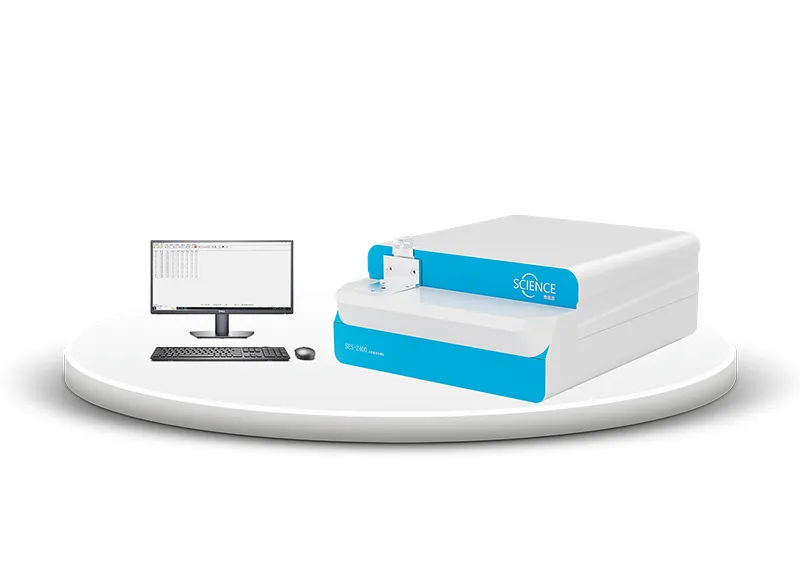
This spectrometer provides comprehensive multi-element analysis to characterize alloy compositions and trace impurities, mirroring aerospace practices for superalloy verification and Drawell’s spectrometers for metallurgy research.
Key Applications in Scientific Research:
Alloy Development: Quantifies elements like C, Si, Mn, P, S, Ni, Cr, Mo, and V in ferrous alloys (e.g., stainless steel) or non-ferrous alloys (e.g., aluminum, titanium) to study composition-property relationships for aerospace or automotive applications.
Rare Earth and Specialty Materials: Analyzes Si, Fe, Cu, Mg, Mn, Ni, Pb, Sb, and Bi in rare earth alloys or semiconductors to explore electronic or magnetic properties for advanced technologies.
Material Recycling Studies: Evaluates recycled metals for consistent alloying, detecting impurities to support research on sustainable material cycles.
Benefits: Full-spectrum detection enables rapid, high-resolution profiling of solids and powders, facilitating precise characterization for experimental materials, similar to LECO’s spectrometers for research applications.
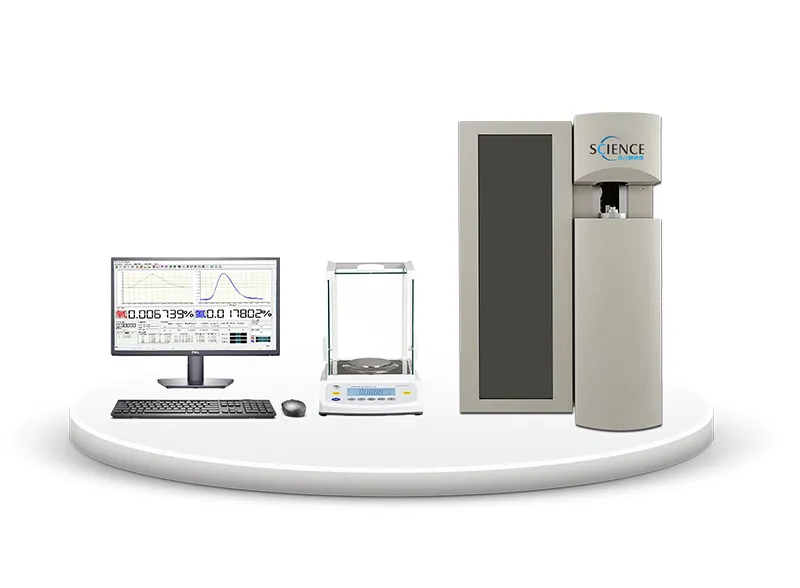
Gaseous impurities like oxygen, nitrogen, and hydrogen can affect material performance, critical for research, similar to aerospace ONH analysis (e.g., ELTRA’s ONH-p for titanium) to ensure structural integrity.
Key Applications in Scientific Research:
Advanced Alloys: Measures O (0.00005–3.0%), N (0.00005–3.0%), and H (0.0005–0.19%) in experimental titanium, steel, or nickel alloys to study gas-induced effects like embrittlement or porosity, aiding aerospace and defense research.
Ceramics and Semiconductors: Analyzes O/N/H in ceramics or superconducting materials to investigate thermal stability or electrical properties for high-tech applications.
Energy Storage Research: Tests O/N/H in metal powders or battery materials to ensure low impurity levels, supporting studies on performance and safety in lithium-ion or solid-state batteries.
Benefits: Using inert gas fusion at up to 3500°C, it achieves 1 ppm (O/N) and 0.2 ppm (H) accuracy in 120–240 seconds, with automated sample introduction and compliance with industry standards, ensuring reliable data for research.
| Syens Product | Key Elements Analyzed | Scientific Research Samples | Aerospace Parallel |
| High-Frequency C/S Analyzer | C, S | Battery materials, alloys, ores | C/S in titanium/steel for workability |
| Full Spectrum Spectrometer | Multi-elements (e.g., C, Si, Mn, Ti) | Alloys, rare earths, semiconductors | Alloy composition verification |
| O/N/H Analyzer | O, N, H | Alloys, ceramics, powders | Gas impurity control in titanium |
Syens’ analyzers empower scientific research with precise, standards-compliant results, advancing material innovation across energy, metallurgy, and high-tech fields.