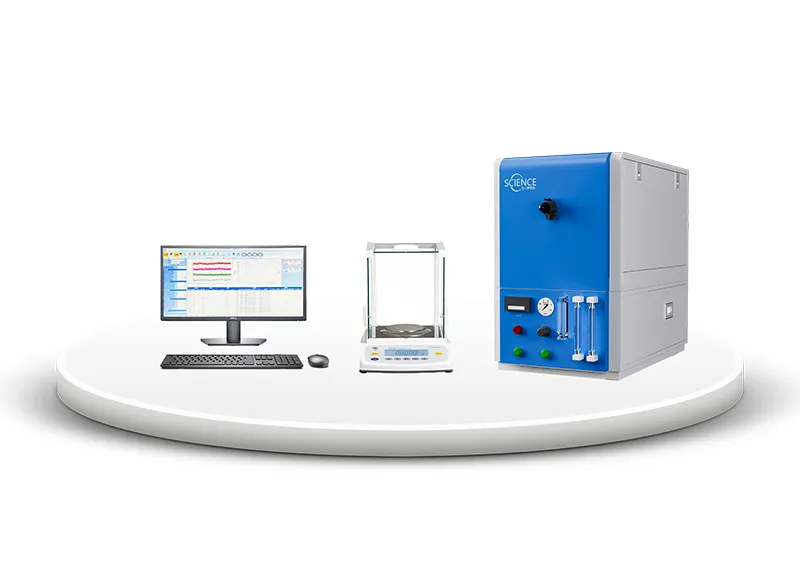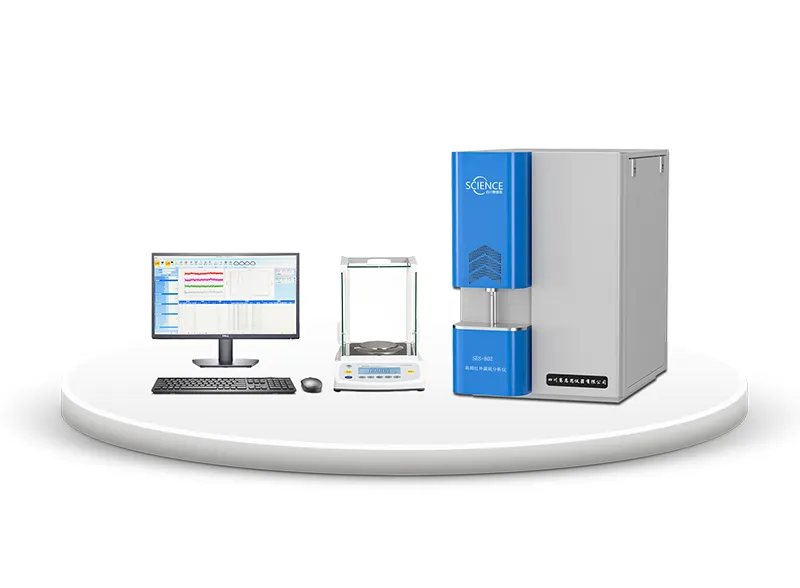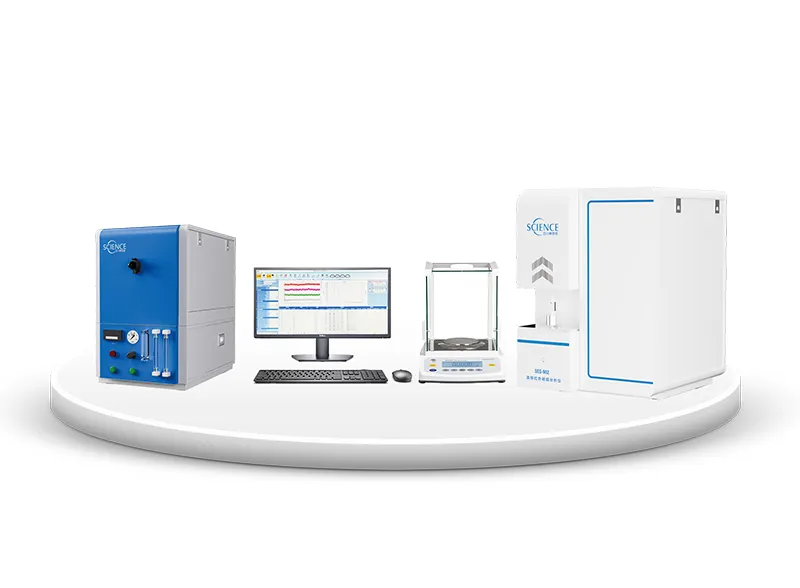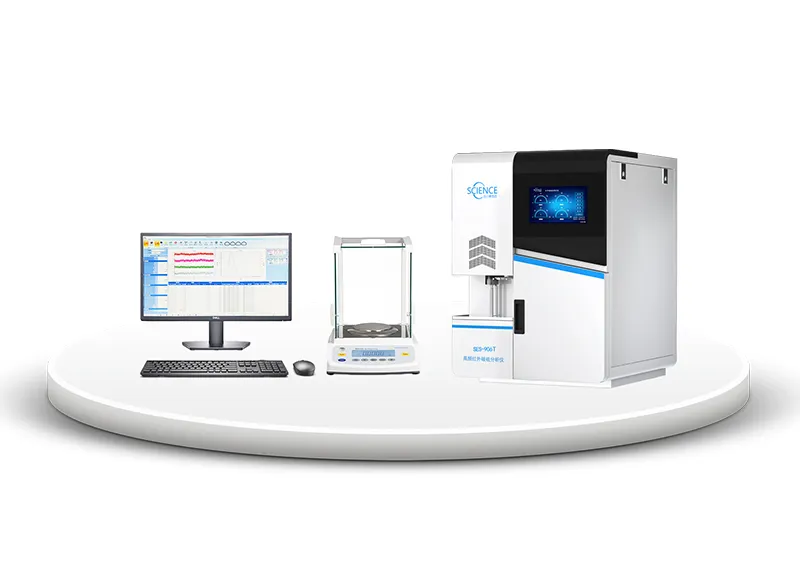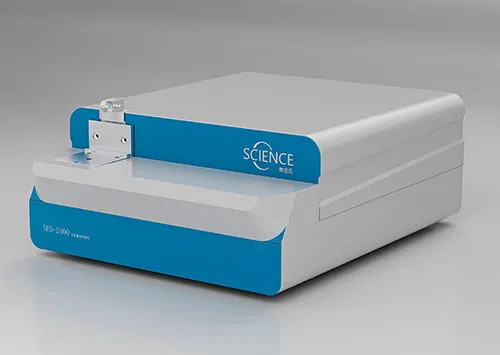
The military industry demands ultra-high-precision elemental analysis for materials used in defense applications, such as aircraft, missiles, armored vehicles, and weapon systems, where components must withstand extreme conditions like high temperatures, stress, and corrosion while ensuring safety and reliability. Impurities like carbon, sulfur, oxygen, nitrogen, or hydrogen, or incorrect alloy compositions, can cause defects such as embrittlement, cracking, or reduced durability, similar to aerospace requirements where titanium and steel alloys are tested to prevent failures in jet engines or airframes. Drawing from applications in aerospace (e.g., via ELTRA's ONH-p and CS-i analyzers for gas and C/S measurement in titanium to avoid embrittlement) and related sectors (e.g., Drawell's instruments for metallurgy and aerospace alloys), Syens’ analytical tools ensure material integrity in military contexts, supporting compliance with rigorous standards. Syens’ instruments, including the High-Frequency Infrared Carbon Sulfur Analyzer, Full Spectrum Direct Reading Spectrometer, and Oxygen, Nitrogen, and Hydrogen Analyzer, provide rapid, accurate measurements to optimize military material production and quality control. Below, we detail their specific applications in the military industry.
This analyzer employs high-frequency induction furnace combustion and infrared absorption to measure carbon and sulfur content, essential for controlling hardness, workability, and corrosion resistance in military-grade metals, akin to aerospace C/S analysis in steel and titanium alloys to ensure performance under stress.
Key Applications in Military Industry:
Steel and Alloy Components: Quantifies carbon (0.0001–99.99%) and sulfur (0.0001–99.99%) in high-strength steel for armored vehicles or weapon casings to optimize toughness and prevent brittleness, ensuring reliability in combat environments.
Non-Ferrous Metals: Analyzes sulfur in aluminum or nickel alloys for lightweight missile components or aircraft parts to avoid sulfide inclusions that could compromise structural integrity; carbon testing supports quality in heat-treated alloys for defense systems.
Process Auxiliaries: Measures C/S in fluxes or refractories used in military manufacturing to maintain furnace efficiency and consistent material purity for high-stakes applications.
Benefits: With sensitivity down to 0.1 ppm and accuracy of ≤0.8% RSD, it delivers results in ≤45 seconds, enabling high-throughput testing (up to 60 samples/hour). Features like intelligent dust removal and multi-point correction align with ISO 9556 (carbon) and ISO 4935 (sulfur) standards, paralleling ELTRA's CS-i for aerospace durability.
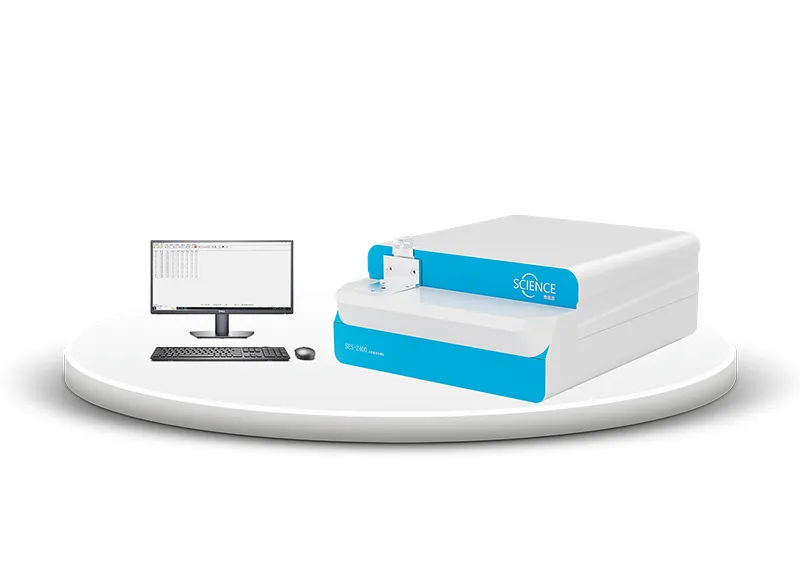
This spectrometer offers comprehensive multi-element analysis to verify alloy compositions and detect trace impurities, mirroring aerospace practices for precise ratios in superalloys used in high-performance military components.
Key Applications in Military Industry:
Ferrous Alloys: Quantifies elements like C, Si, Mn, P, S, Ni, Cr, Mo, and V in cast iron or stainless steel for tank armor, gun barrels, or structural parts, ensuring strength, corrosion resistance, and ballistic performance.
Non-Ferrous Alloys: Analyzes Si, Fe, Cu, Mg, Mn, Ni, Pb, Sb, and Bi in aluminum, titanium, or cobalt alloys for aircraft frames, missiles, or electronic systems, maintaining lightweight yet durable properties for defense applications.
Specialized Materials: Evaluates recycled or rare earth alloys for consistent composition in military hardware, detecting impurities to prevent defects in extreme-condition equipment.
Benefits: Full-spectrum detection provides rapid, high-resolution profiling of solids and powders, supporting real-time quality control in military production, similar to Drawell's spectrometers for aerospace alloy verification.
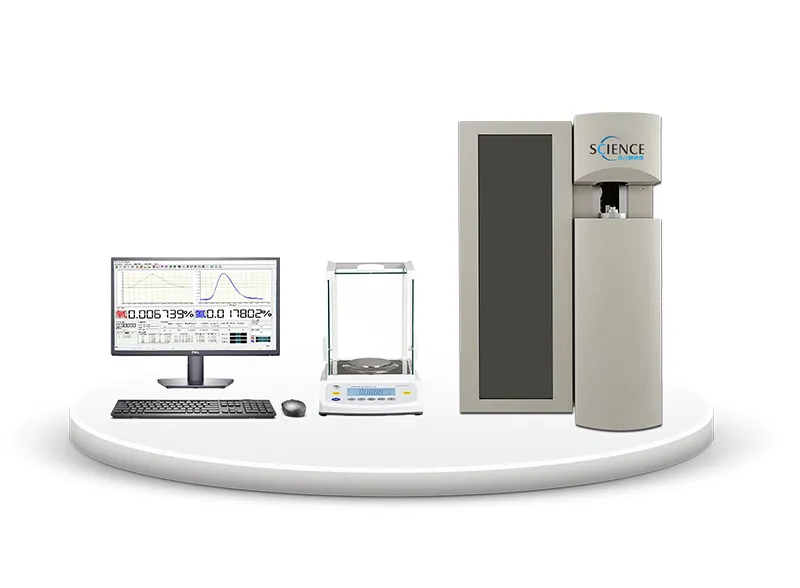
Gaseous impurities like oxygen, nitrogen, and hydrogen can lead to embrittlement or porosity in military materials, similar to aerospace concerns with titanium alloys where ONH analysis prevents cracking and ensures longevity.
Key Applications in Military Industry:
Steel and Iron Components: Measures O (0.00005–3.0%), N (0.00005–3.0%), and H (0.0005–0.19%) in forged steel for ballistic armor or weapon systems to prevent gas entrapment and inclusions, ensuring high-impact resistance.
Non-Ferrous Alloys: Analyzes oxygen in titanium or aluminum alloys for fighter jets or missiles to avoid oxidation; hydrogen detection prevents embrittlement in high-stress components like propulsion systems.
Advanced Materials: Tests O/N/H in ceramics, rare earths, or powders for additive manufacturing of defense equipment, such as drone parts or superconducting materials, ensuring suitability under extreme conditions.
Benefits: Employing inert gas fusion at up to 3500°C, this analyzer achieves 1 ppm (O/N) and 0.2 ppm (H) accuracy in 120–240 seconds, with automated features for repeatable results, akin to ELTRA's ONH-p for preventing aerospace-like failures in military contexts.
| Syens Product | Key Elements Analyzed | Military Industry Samples | Aerospace Parallel |
| High-Frequency C/S Analyzer | C, S | Steel, titanium alloys, fluxes | C/S in alloys for workability |
| Full Spectrum Spectrometer | Multi-elements (e.g., C, Si, Mn, Ti) | Ferrous/non-ferrous alloys, rare earths | Alloy composition verification |
| O/N/H Analyzer | O, N, H | Armor, missiles, powders | Gas impurity control in titanium |
Syens’ analyzers support innovation and reliability in military material development, delivering standards-compliant results for defense applications.