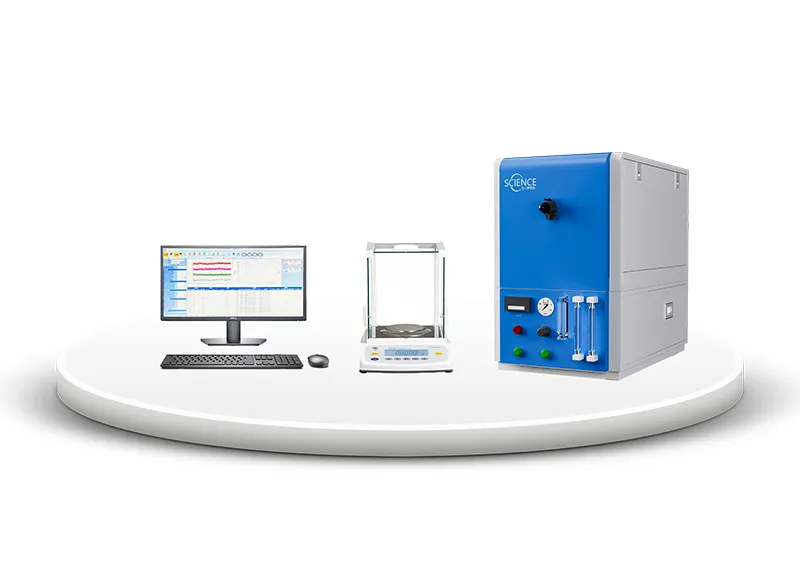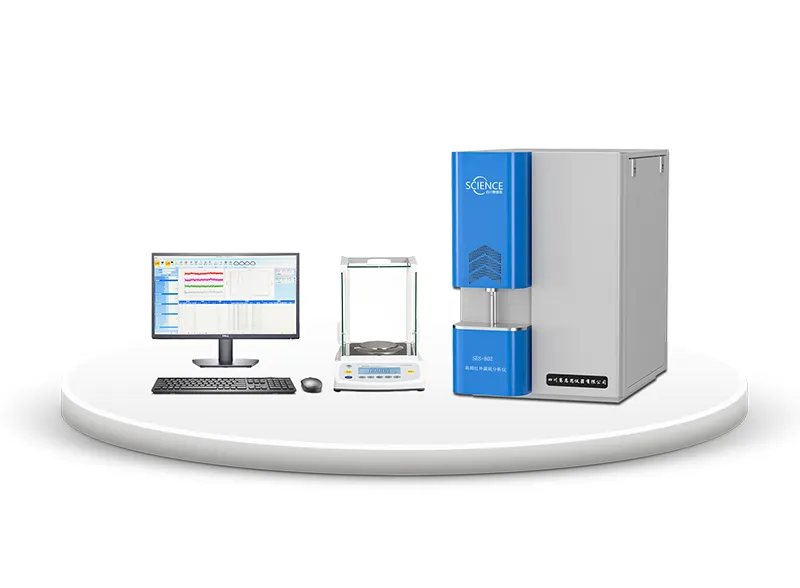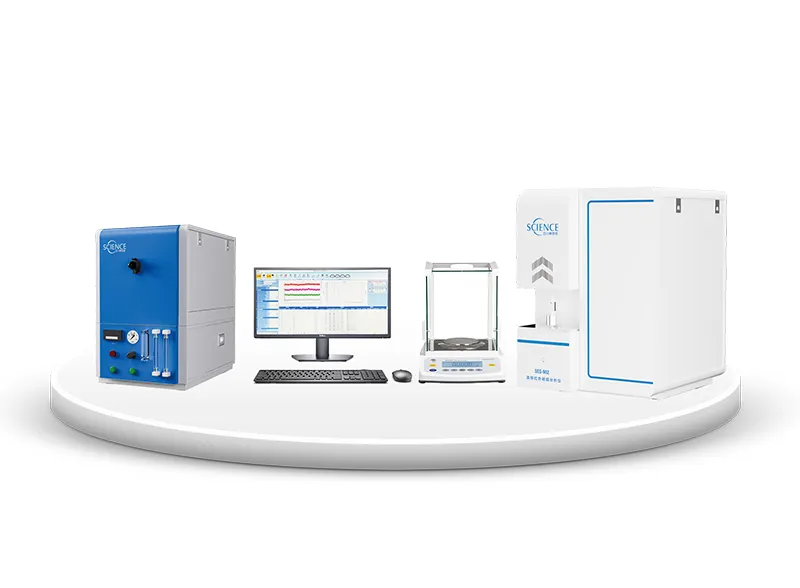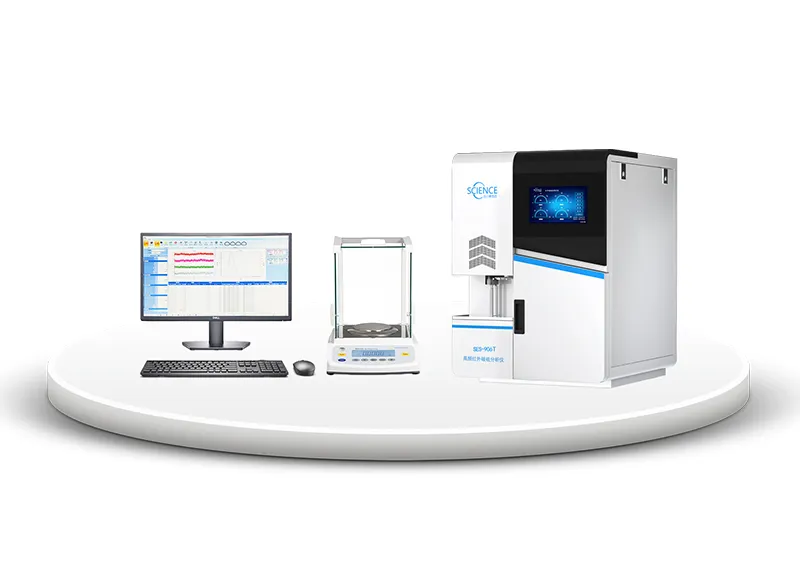
The aerospace industry demands materials with exceptional strength, low weight, and resistance to extreme conditions, requiring precise elemental analysis to ensure performance and safety, as seen in the stringent testing of titanium alloys and superalloys for jet engines and airframes. Impurities like oxygen, nitrogen, hydrogen, carbon, or sulfur can cause embrittlement, corrosion, or reduced durability, compromising critical components. Syens’ analytical instruments, including the high-frequency carbon and sulfur analyzer, full spectrum direct reading spectrometer, and oxygen, nitrogen, and hydrogen analyzer, deliver rapid, accurate measurements to verify material composition and meet aerospace standards. Below, we detail their specific applications in aerospace material analysis.
Carbon and sulfur levels critically affect the mechanical properties of aerospace alloys, such as steel and titanium, where precise control ensures hardness, workability, and corrosion resistance for components like landing gear and engine parts.
Key Applications in Aerospace:
Steel and Titanium Alloys: Measures carbon and sulfur in high-strength steel (e.g., landing gear) and titanium alloys (e.g., jet engine components) to prevent brittleness and ensure compliance with aerospace specifications.
Metallurgical Auxiliaries: Analyzes C/S in refractories and fluxes used in alloy production to maintain furnace efficiency and material purity.
Other Materials: Tests carbon in carbon fiber-reinforced polymers (CFRPs) for structural integrity in airframes and sulfur in nickel-based superalloys for high-temperature performance.
Benefits: Operating above 2,000°C with infrared detection in a pure oxygen atmosphere, this analyzer provides ppm-level accuracy for solid samples, enabling rapid quality control in aerospace manufacturing.
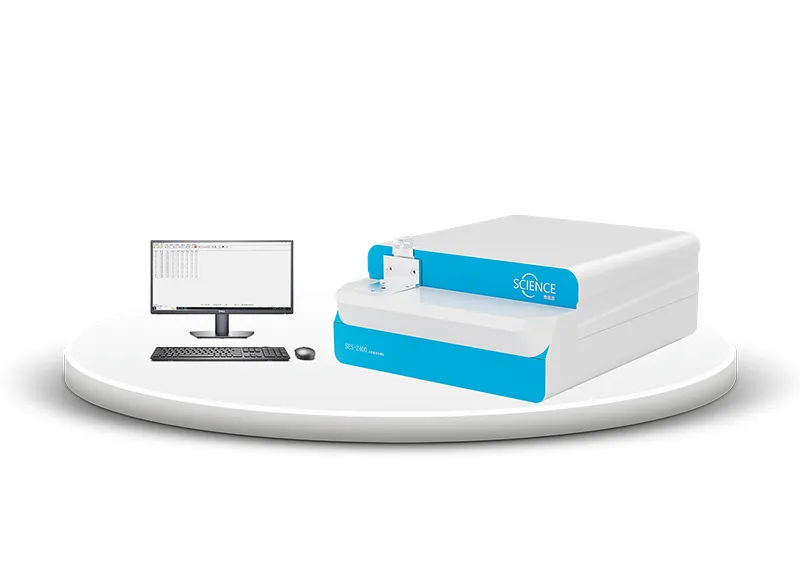
This instrument verifies multi-element compositions in alloys, ensuring precise ratios for performance-critical components, similar to its use in confirming superalloy specifications for aerospace engines.
Key Applications in Aerospace:
Ferrous and Non-Ferrous Alloys: Quantifies elements like C, Si, Mn, P, S, Ni, Cr, Mo, and Ti in stainless steel, aluminum, titanium, and nickel alloys for airframes, fasteners, and turbine blades.
Specialty Materials: Analyzes cobalt-based superalloys and magnesium alloys for trace elements (e.g., Fe, Cu, Pb) to ensure corrosion resistance and lightweight properties.
Recycled Materials: Evaluates scrap metal for alloy consistency, detecting impurities like Sb or Bi to maintain quality in aerospace-grade materials.
Benefits: High-resolution, full-spectrum detection supports rapid analysis of solids and powders, ensuring compliance with aerospace standards for material composition.
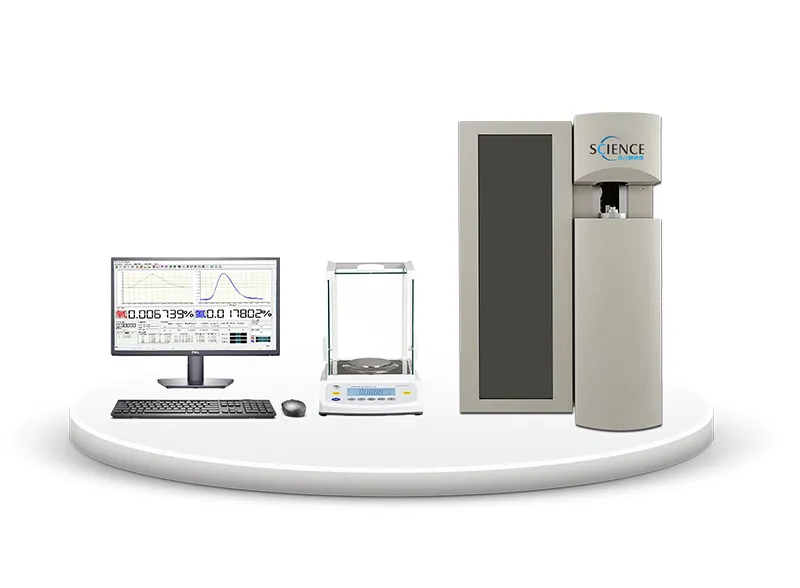
Gaseous impurities like oxygen, nitrogen, and hydrogen can cause embrittlement or cracking in aerospace materials, particularly titanium, where precise ONH analysis ensures engine safety and longevity.
Key Applications in Aerospace:
Titanium and Steel Alloys: Measures O/N/H in titanium airframes and steel components to prevent hydrogen embrittlement and oxygen-induced cracking, critical for high-stress applications.
Non-Ferrous Alloys and Powders: Analyzes oxygen in aluminum or copper alloys for fuselage parts and hydrogen in metal powders for additive manufacturing.
Ceramics and Composites: Tests O/N/H in ceramic thermal protection systems and CFRP precursors to ensure thermal stability and structural integrity.
Benefits: Inert gas fusion at up to 3,000°C with flux-assisted melting ensures precise quantification (ppm to 2%) for 100–1,000 mg samples, delivering repeatable results for aerospace quality assurance.
| Syens Product | Key Elements Analyzed | Aerospace Samples | Aerospace Application |
| High-Frequency C/S Analyzer | C, S | Steel, titanium, CFRPs | Hardness/workability in alloys |
| Full Spectrum Spectrometer | Multi-elements (e.g., C, Si, Ni, Ti) | Alloys, scrap | Alloy composition verification |
| O/N/H Analyzer | O, N, H | Titanium, ceramics, powders | Gas impurity control for durability |
Syens’ analyzers enhance aerospace material reliability, supporting innovation and safety in aircraft and spacecraft production. For consultations or demos, contact a Syens specialist.