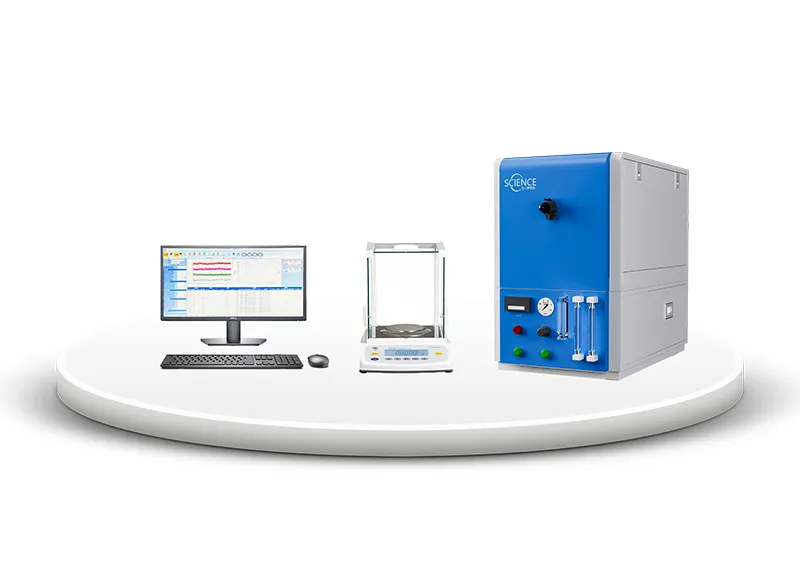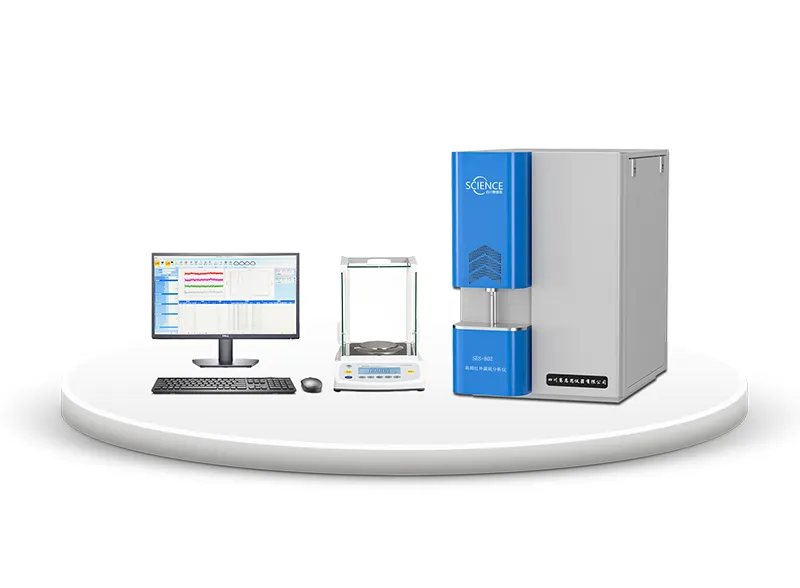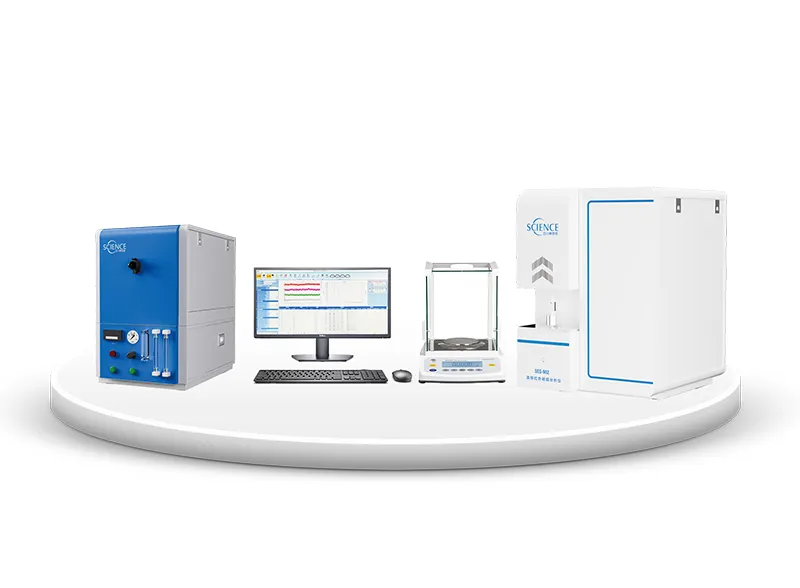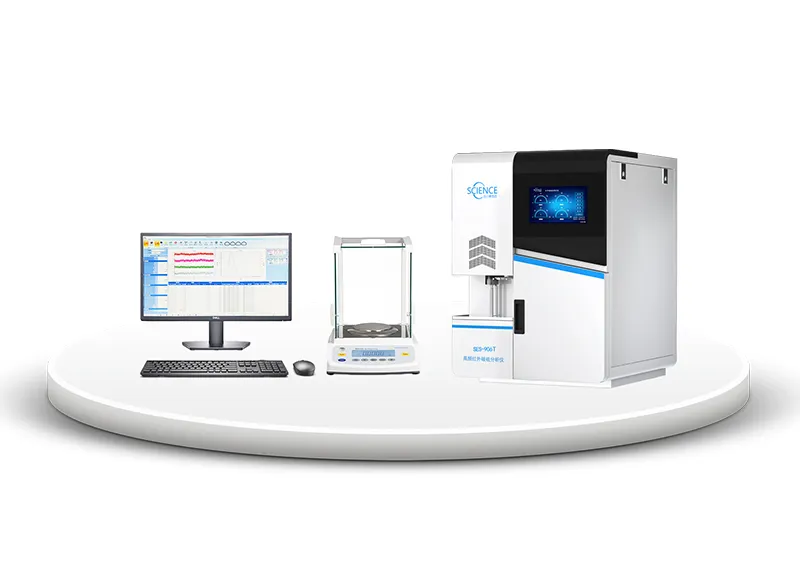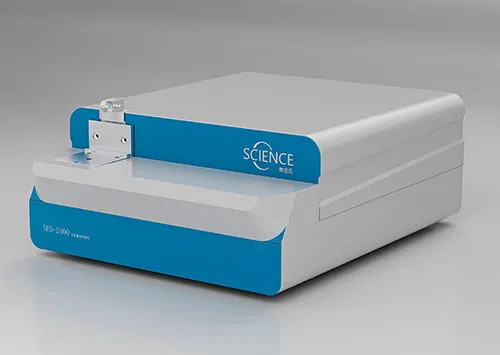
The automobile manufacturing industry requires high-precision elemental analysis to ensure components meet stringent standards for strength, durability, corrosion resistance, and lightweight performance, critical for vehicle safety and efficiency. Impurities such as carbon, sulfur, oxygen, nitrogen, or hydrogen, or incorrect alloy compositions, can lead to defects like cracking, porosity, or reduced fatigue life, similar to aerospace applications where titanium and steel alloys are rigorously tested to prevent embrittlement and ensure reliability in critical components like jet engines. Syens’ analytical instruments, including the High-Frequency Infrared Carbon Sulfur Analyzer, Full Spectrum Direct Reading Spectrometer, and Oxygen, Nitrogen, and Hydrogen Analyzer, provide rapid, accurate measurements to optimize material quality and manufacturing processes in automobile production, ensuring compliance with international standards. Below, we detail their specific applications in automobile manufacturing.
This analyzer uses high-frequency induction furnace combustion and infrared absorption to measure carbon and sulfur content, critical for controlling the mechanical properties and machinability of metals used in automotive components, akin to aerospace requirements for C/S analysis in alloys.
Key Applications in Automobile Manufacturing:
Steel Components: Quantifies carbon (0.0001–99.99%) and sulfur (0.0001–99.99%) in steel alloys for engine parts, chassis, or suspension components to optimize hardness, prevent brittleness, and ensure durability under high stress.
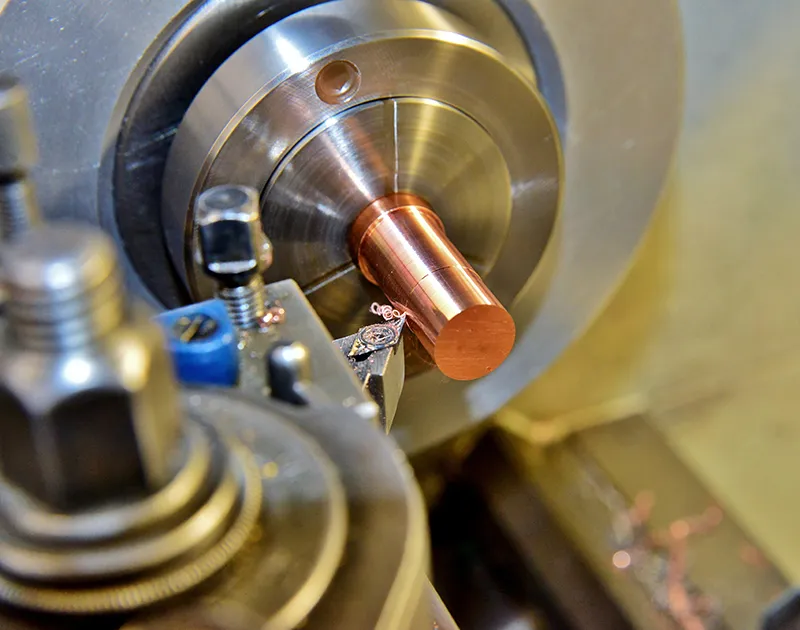
Non-Ferrous Metals: Analyzes sulfur in aluminum or copper alloys for lightweight body panels or electrical connectors to avoid sulfide inclusions that impair strength or conductivity; carbon testing supports quality in cast aluminum parts.
Process Auxiliaries: Measures C/S in fluxes or refractories used in casting or heat treatment to maintain furnace efficiency and ensure consistent material quality.
Benefits: With sensitivity down to 0.1 ppm and accuracy of ≤0.8% RSD, it delivers results in ≤45 seconds, supporting high-throughput production (up to 60 samples/hour). Features like intelligent dust removal and multi-point correction ensure compliance with ISO 9556 (carbon) and ISO 4935 (sulfur) standards.
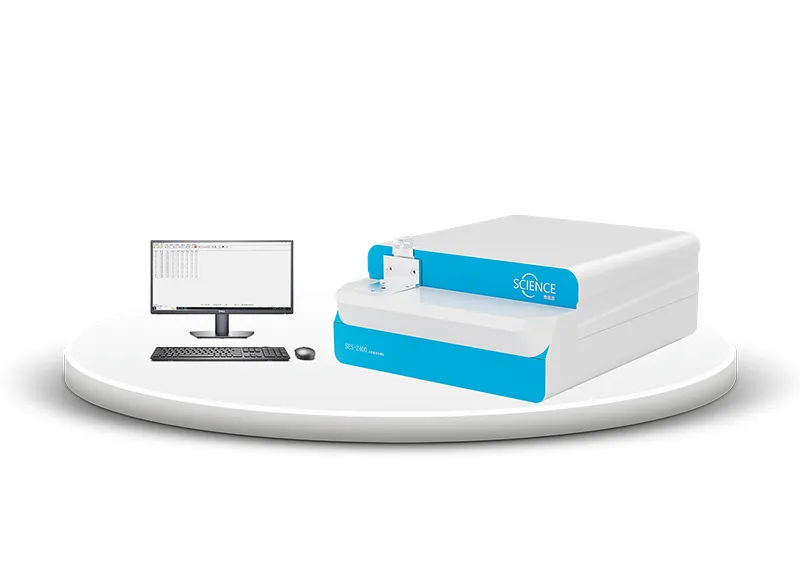
This spectrometer provides comprehensive multi-element analysis to verify alloy compositions and detect trace impurities, mirroring aerospace practices for ensuring precise ratios in superalloys for high-performance components.
Key Applications in Automobile Manufacturing:
Ferrous Alloys: Quantifies elements like C, Si, Mn, P, S, Ni, Cr, Mo, and V in cast iron or steel alloys for engine blocks, gears, or brake components, ensuring strength, wear resistance, and corrosion resistance.
Non-Ferrous Alloys: Analyzes Si, Fe, Cu, Mg, Mn, Ni, Pb, Sb, and Bi in aluminum, magnesium, or zinc alloys for lightweight body frames, wheels, or battery casings, maintaining quality for fuel efficiency.
Recycled Materials: Evaluates scrap metal for consistent alloying in manufacturing, detecting impurities to prevent defects in processed parts.
Benefits: Full-spectrum detection enables rapid, high-resolution profiling of solids and powders, facilitating real-time quality control and adjustments in high-volume automotive production lines.
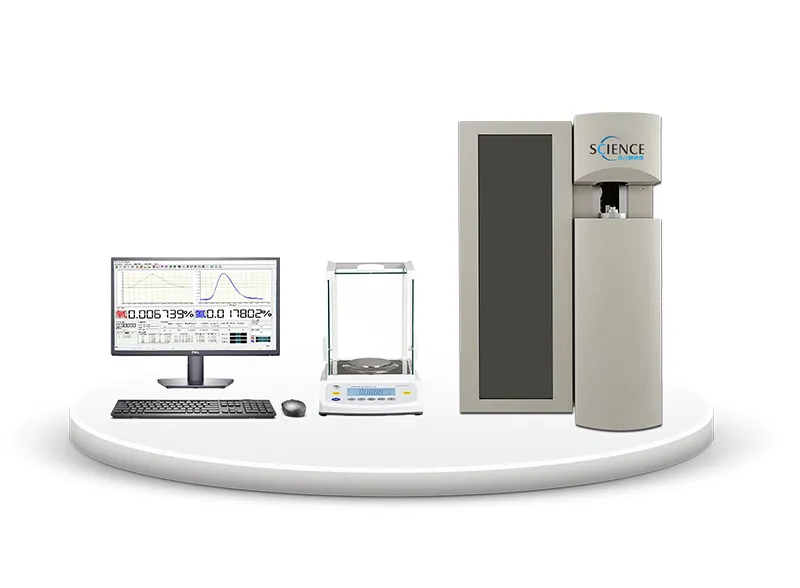
Gaseous impurities like oxygen, nitrogen, and hydrogen can cause porosity, embrittlement, or reduced ductility in automotive components, similar to aerospace concerns with titanium alloys where ONH analysis ensures structural integrity.
Key Applications in Automobile Manufacturing:
Steel and Iron Components: Measures O (0.00005–3.0%), N (0.00005–3.0%), and H (0.0005–0.19%) in forged or cast steel parts like crankshafts or axles to prevent gas entrapment and inclusions, ensuring robust performance.
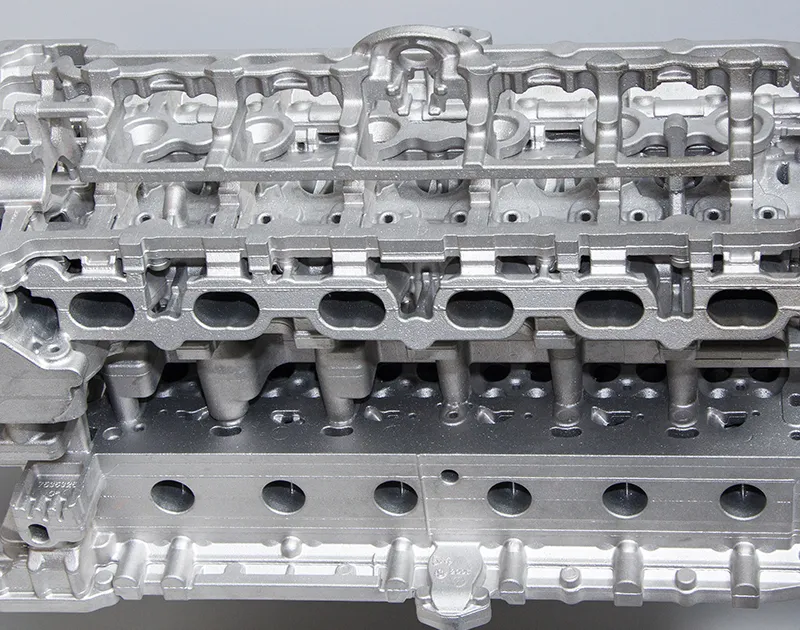
Non-Ferrous Alloys: Analyzes oxygen in aluminum or magnesium alloys for body panels or engine components to avoid oxidation-induced defects; hydrogen detection prevents porosity in lightweight castings.
Powder Metallurgy for EVs: Tests O/N/H in metal powders for additive manufacturing of electric vehicle (EV) battery components or precision parts, ensuring reliability in high-performance applications.
Benefits: Using inert gas fusion at up to 3500°C, this analyzer achieves 1 ppm (O/N) and 0.2 ppm (H) accuracy in 120–240 seconds, with automated sample introduction and compliance with industry standards for reliable, repeatable results.
| Syens Product | Key Elements Analyzed | Automobile Manufacturing Samples | Aerospace Parallel |
| High-Frequency C/S Analyzer | C, S | Steel, aluminum alloys, fluxes | C/S in titanium/steel for workability |
| Full Spectrum Spectrometer | Multi-elements (e.g., C, Si, Mn, Ti) | Ferrous/non-ferrous alloys, scrap | Alloy composition verification |
| O/N/H Analyzer | O, N, H | Castings, powders, alloys | Gas impurity control in titanium |
Syens’ analyzers enhance quality assurance and process efficiency in automobile manufacturing, delivering defect-free, high-performance components for vehicles.