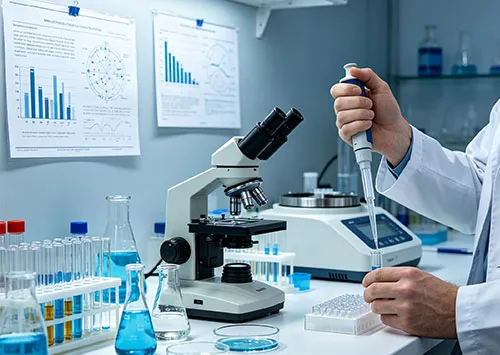
I believe that all lab researchers know that if lab furniture is not properly maintained, it can be easily damaged. As for lab countertops, they are a critical component of lab furniture. The material used for the countertop can have a negative impact on experimental results and other work done during experiments. Therefore, when choosing a lab countertop, you must take all factors into consideration and perform proper cleaning and maintenance! By understanding lab countertops, you can take precautions against hidden dangers!
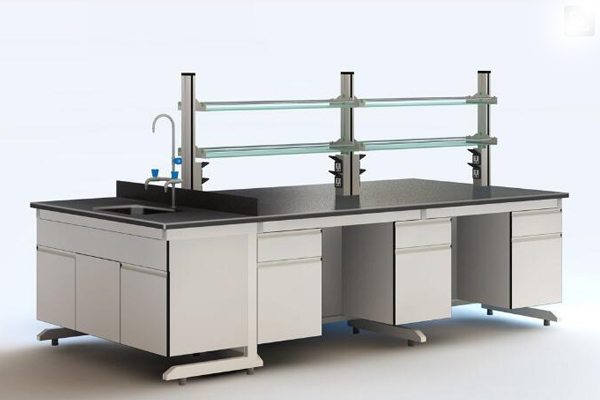
Analysis of Mechanical Strength
Epoxy Resin Countertops: They are cast-molded from a mixture of epoxy resin and silica powder with a binder at 100°C. Their density and the resulting physical-chemical board are not as good, and they differ even more from fired ceramic countertops. Therefore, scratches can occur during use; a glass container, a pen, or even a fingernail can cause scratches on their surface. Wiping with vegetable oil can maintain a temporary aesthetic, but the marks will reappear after some time.
Ceramic Countertops: Because they are fired, and the top and sides have a dense and hard layer of special professional glaze, a professional 20mm or thicker integrated ceramic countertop cannot be scratched by even a metal knife. Therefore, their mechanical strength is unmatched by other countertops. Once properly installed, they have an extremely long service life.
Analysis of Chemical Performance
Except for hydrofluoric acid, other acids and bases cannot harm ceramic countertops. Epoxy resin also has its own relatively strong corrosion resistance. However, because epoxy resin is cast-molded, its density is not high, so there are many micropores on the countertop. When a liquid spills on the countertop, some of it will penetrate into the countertop. No matter how you wipe it, it is impossible to clean it completely. Therefore, spots will appear on the countertop, which usually occurs after about 1 year, making the countertop unsightly.
Analysis of Temperature Resistance
The temperature resistance of ceramic countertops is around 600°C, while that of epoxy resin is around 150°C. This is related to their manufacturing process. If the temperature is too high, the epoxy resin board can easily crack, whiten, bubble, and release harmful gases.
Analysis of After-Sales Maintenance
Ceramic Countertops: The initial investment is relatively large, but there are almost no maintenance costs afterward.
Epoxy Resin Countertops: Because they are molded as a single piece, there is a possibility of polishing. However, polishing the countertop is a complex task that would affect the normal work of the laboratory, so it is generally not a practical option. Because the color corrosion of epoxy resin is caused by penetration, the color penetration may not be limited to the surface layer but could be several millimeters deep. Therefore, simple polishing is generally unable to solve the problem of color corrosion.
The extensive use of melamine boards can lead to the excessive release of harmful substances such as formaldehyde and benzene. After a new lab bench is built, it must be ventilated with open windows for up to three years, regardless of the season, otherwise the already poor lab air quality will be made even worse. (Research shows that the formaldehyde release cycle from boards can be up to 10 years. A concentration exceeding one milligram per cubic meter can cause dizziness, and a concentration of two milligrams can cause immediate death. Long-term exposure to such poor lab environments can induce cancer.)
The stability of lab bench products is not very good. They swell when wet, get moldy when damp, are easily flammable at high temperatures, their structure can easily loosen, and they have low nail-holding power, causing the door panels to fall off easily. Repairs are difficult and frequent, and the products cannot be relocated, placing a heavy burden on the company's after-sales service.
The disposal of discarded lab bench products is difficult and can cause secondary pollution.
Do not use sharp or hard objects to scratch the countertop.
Do not keep it in an environment where the temperature exceeds 135°C for a long time.
Do not expose it to an open flame, molten metal, metal sparks, or direct sunlight, and do not use it as a chopping surface.
The flame from a gas lamp or alcohol lamp will damage the countertop, so alcohol lamps or gas lamps must be used on a tripod.
It is recommended to clean the countertop with warm water, acetone, or a mild cleaning agent, such as one used for washing hands or dishes. Do not use cleaning agents that contain abrasives or strong acids, as they may damage the surface. For stubborn stains, hypochlorite can be dripped onto the surface of the physical-chemical resistant board and then washed off with clean water.
Different types of laboratories require different choices of lab countertops. For example, there are big differences in the choice of lab countertops for a chemical lab compared to a physical lab.
Understanding lab countertops can help you avoid the hidden dangers that they pose! Based on the knowledge above, every step of laboratory design and construction is related to whether the lab is durable, easy to use, and safe. Therefore, when choosing a lab countertop, you should consider multiple factors to avoid various problems during use. If you have any problems, you should consult a professional lab design company—Sichuan Syens Instrument Co., Ltd. is a good choice!
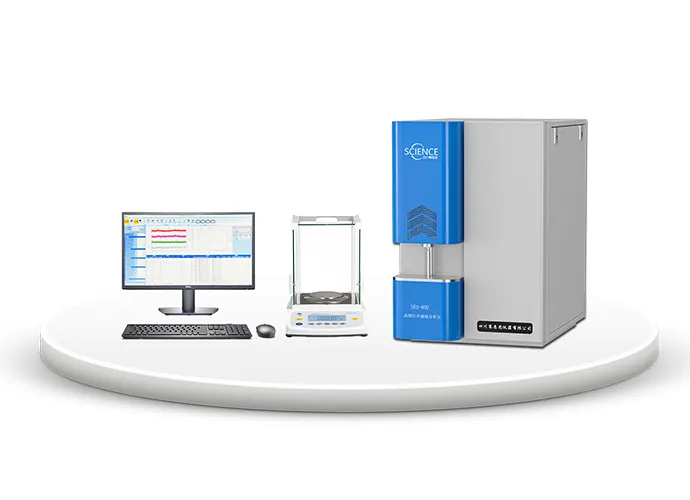
SYENS innovates advanced elemental analysis instruments tailored for industrial and laboratory needs. The solutions from SYENS, including high‑frequency infrared carbon sulfur analyzer and spectrometer, deliver reliable precision and support quality assurance across metallurgy, materials science, and high‑tech sectors.
SYENS instruments are designed for analyzing steel, cast iron, titanium alloys, non-ferrous metals, and other advanced materials requiring precise determination of carbon, sulfur, oxygen, nitrogen, and hydrogen content.
Yes. Our analytical solutions are developed in alignment with widely recognized national and international standards for elemental analysis, supporting compliance in industrial production and laboratory environments.
SYENS instruments deliver comparable analytical performance and stability while offering competitive pricing, localized service support, and customizable configurations for specific industrial requirements.
Yes. We provide tailored configurations, software optimization, and application-specific solutions to meet the unique testing needs of different industries and research institutions.
Talk to our experts for more help.