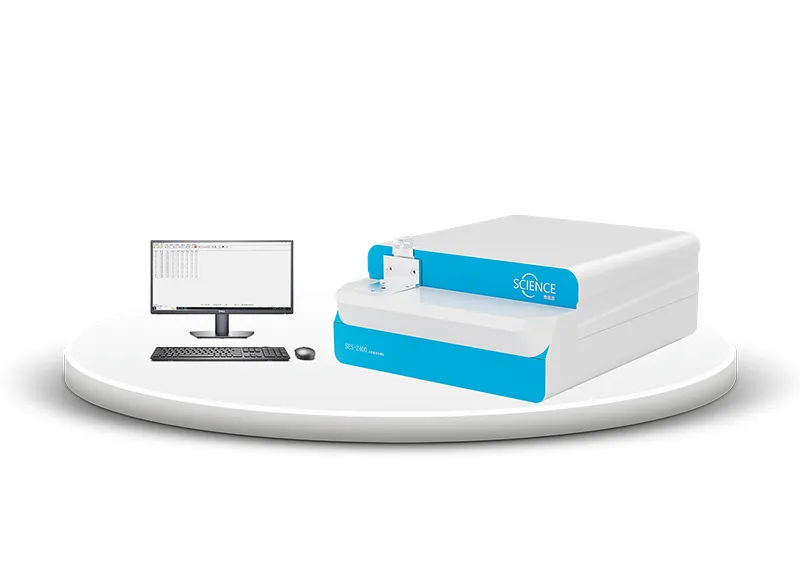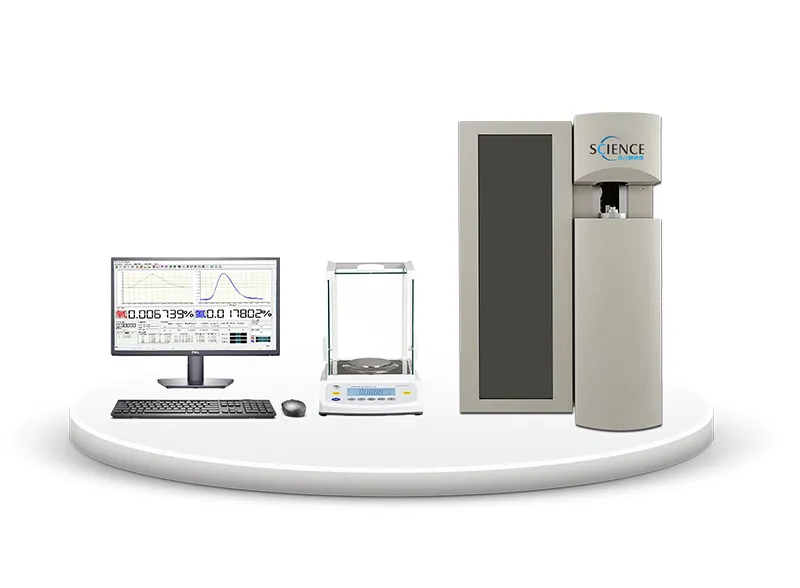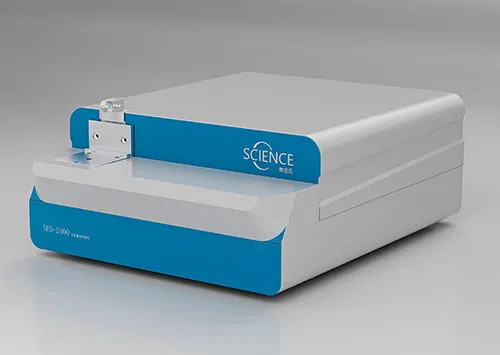
Both carbon and sulfur are non-metallic elements with nearly identical electronegativities (C: +2.5; S: +2.44), meaning that carbon and sulfur atoms have the same ability to attract electrons. In alloys, both can form corresponding carbides and sulfides. When these alloys are oxidized, they can produce gaseous oxides, CO2 and SO2, which can be measured separately in an infrared carbon sulfur analyzer. These are the common properties of carbon and sulfur. However, for carbon-sulfur analyzers, it is essential to thoroughly study the differences in properties between carbon and sulfur to enhance the stability of sulfur measurements.
a. Sulfides (e.g., MnS) are more stable than carbides (e.g., Fe3C), making sulfides more difficult to oxidize during combustion.
b. The molecular structures and properties of the combustion oxidation products, CO2 and SO2, differ. The CO2 molecule has two large π-bonds, with shorter bond lengths and high thermal stability. Its bond angle is 180°, making it a linear molecule with polarity that cancels out, rendering the molecule non-polar and less likely to be adsorbed by other substances (e.g., dust). In contrast, the SO2 molecule has only one large π-bond, with a bond angle of 120°, forming a triangular structure. Its polarity does not cancel out, making it a typical polar molecule that is easily adsorbed by other substances.
Through the study of the differences in properties between carbon and sulfur, the following conclusions can be drawn:
To improve the conversion rate of sulfur, samples must be combusted at higher furnace temperatures.
To ensure stable sulfur measurements, the adsorption of SO2 by dust must be eliminated.
Adsorption is a physicochemical phenomenon where a sparse substance is absorbed by the surface of another substance. This phenomenon can occur on the surface of solids or liquids. Adsorption can be divided into two types: physical adsorption and chemical adsorption.
Physical adsorption is caused by intermolecular attractive forces, known as van der Waals forces, so it is also called van der Waals adsorption. Chemical adsorption involves the formation of a surface compound through intermolecular interactions, distinct from typical chemical compounds, and is also referred to as active adsorption.
Common characteristics of adsorption:
Adsorption processes are exothermic, so as temperature increases, the amount of adsorption decreases.
Adsorption occurs on the surface of a substance, so materials with larger surface areas, such as fine dust particles, exhibit stronger adsorption properties.
For gases, substances that easily condense into liquids (i.e., those with higher critical temperatures or boiling points) are more readily adsorbed.
Although there are multiple types of adsorption, various forms of adsorption typically occur simultaneously during the process.
Based on the characteristic that adsorption decreases with increasing temperature, the "furnace head heating" technology can effectively eliminate the adsorption of SO2 by dust. This "furnace head heating" technology is a patented technique developed by Jingke Company through long-term practice, improving the measurement stability of an infrared sulfur analyzer.
Adding a small amount of MoO3 (30-50 mg) as an additive has been proven effective. MoO3 exhibits excellent desorption properties and is regarded as a desorption agent in carbon-sulfur analysis. MoO3 was discovered during research at the China Erzhong Steel Plant Laboratory while developing arc furnaces and was later manufactured into silicon-molybdenum powder by the Wuxi High-Grade Factory, widely used in arc furnaces.
Timely cleaning of accumulated dust in the filter is also essential.
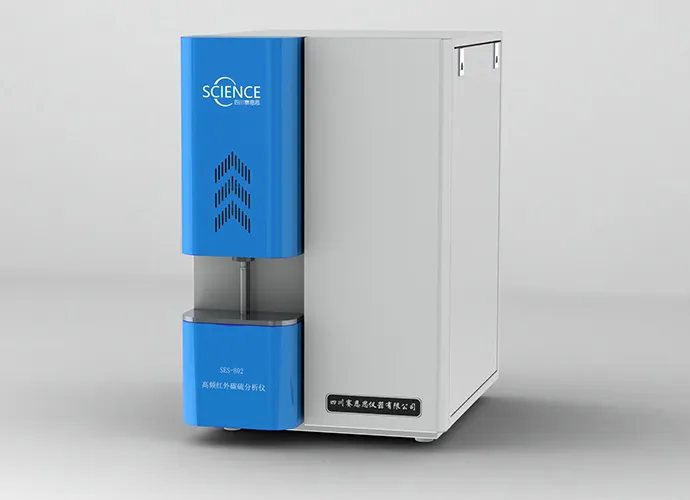
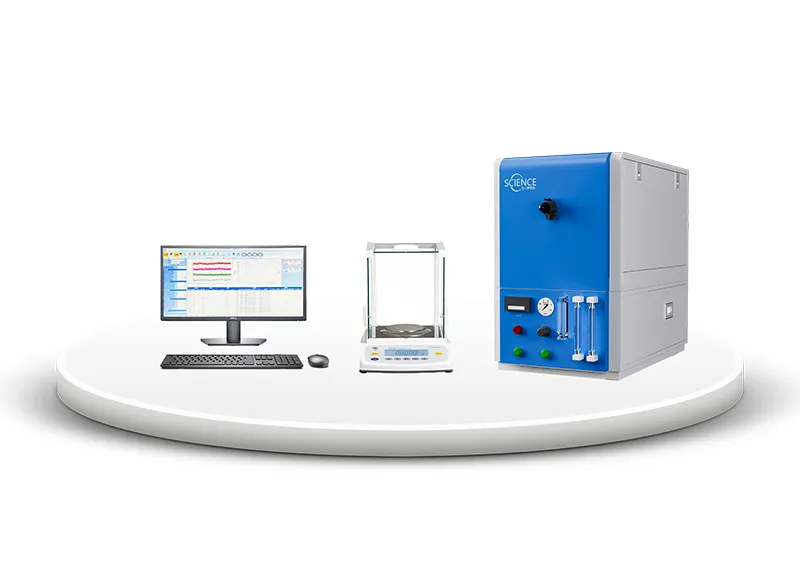
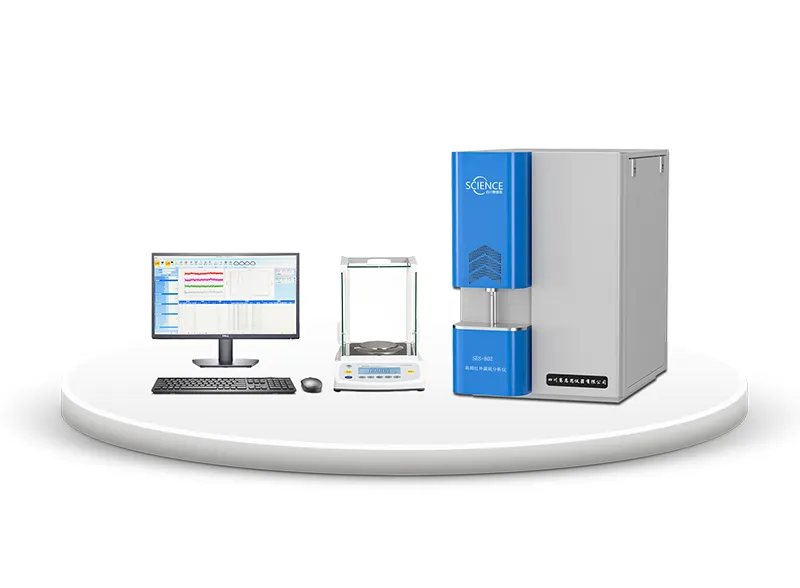
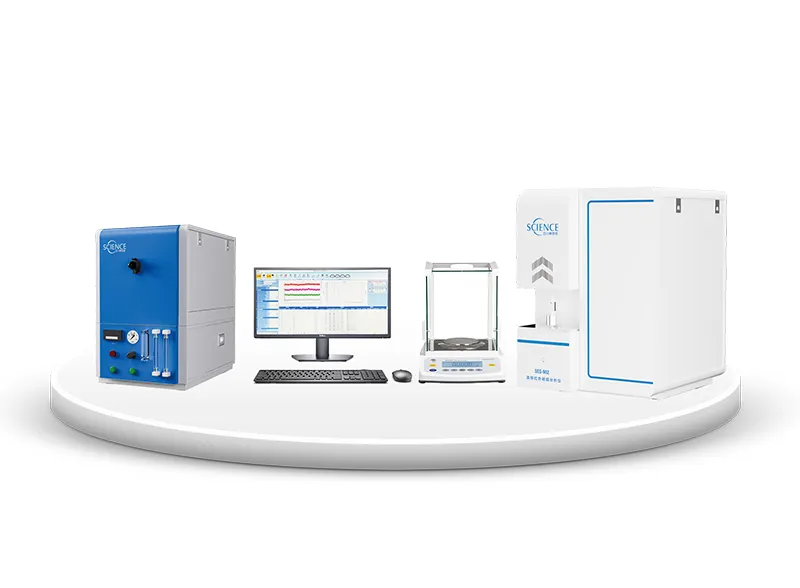
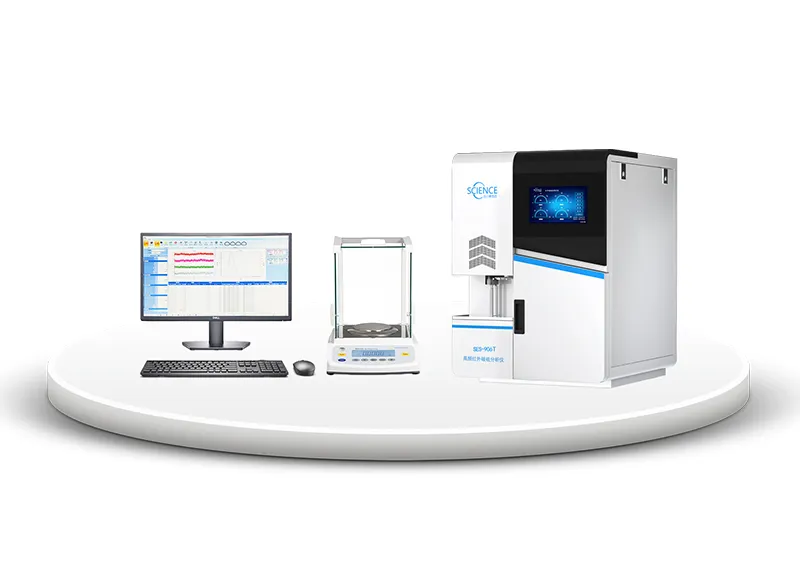
At SYENS, our infrared carbon sulfur analyzer delivers stable, high-precision measurements for demanding industrial environments. Designed for industrial reliability and long-term consistency, our elemental analysis instrument supports accurate quality control and efficient laboratory operations.
By burning the sample in an oxygen carrier along with a flux in a high-frequency induction heating furnace, the carbon in the sample gas is converted to carbon dioxide (CO2) and carbon monoxide (CO), sulfur is converted to sulfur dioxide (SO2), and hydrogen is converted to moisture (H2O).
Sulphur analyzers are essential tools used across various industries to measure the sulfur content in different substances, primarily fuels and oils. These devices help ensure compliance with environmental regulations, optimize refining processes, and improve product quality.
At its core, a carbon sulphur analyser is designed to determine the total carbon and sulphur content in inorganic and organic solids. The process typically involves combustion, gas detection, and quantification.
However, errors and pitfalls can occur during testing that can lead to inaccurate results. Common errors and pitfalls in clinical chemistry analyzer testing include sample contamination, hemolysis, instrument malfunctions, calibration errors, reagent storage errors, and reagent contamination.
Carbon sulfur analysis refers to the measurement of carbon and sulfur concentrations in metals, alloys, ores, ceramics, and other inorganic materials. Modern carbon sulfur analyzers use high-temperature combustion and infrared detection technologies to provide fast and accurate analytical results. Understanding the adsorption behavior of gases generated during combustion is important for achieving precise measurements.
Talk to our experts for more help.