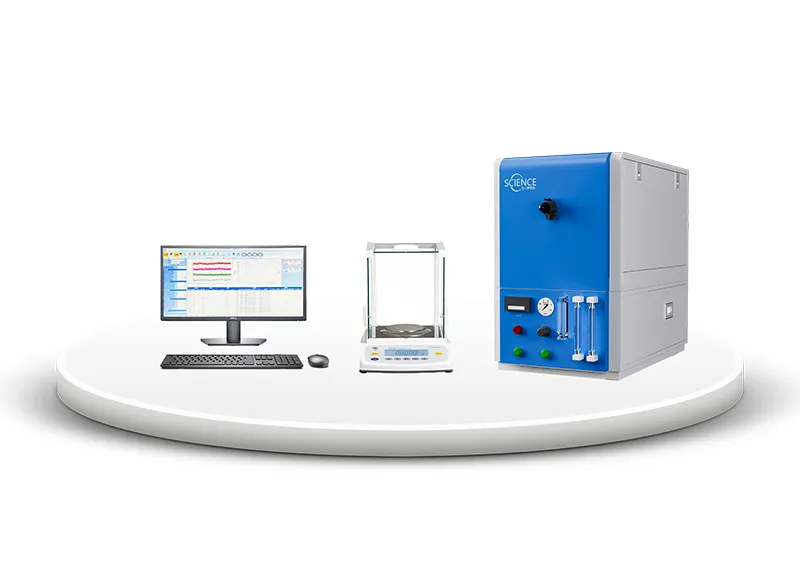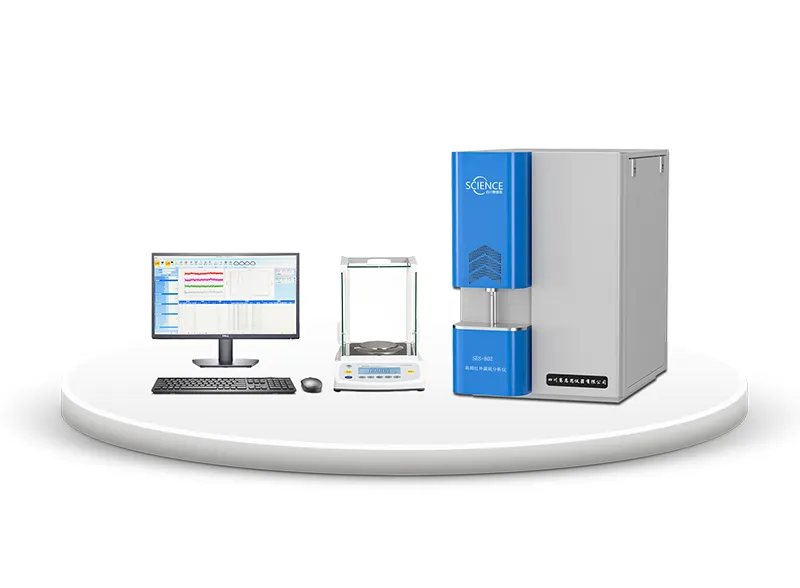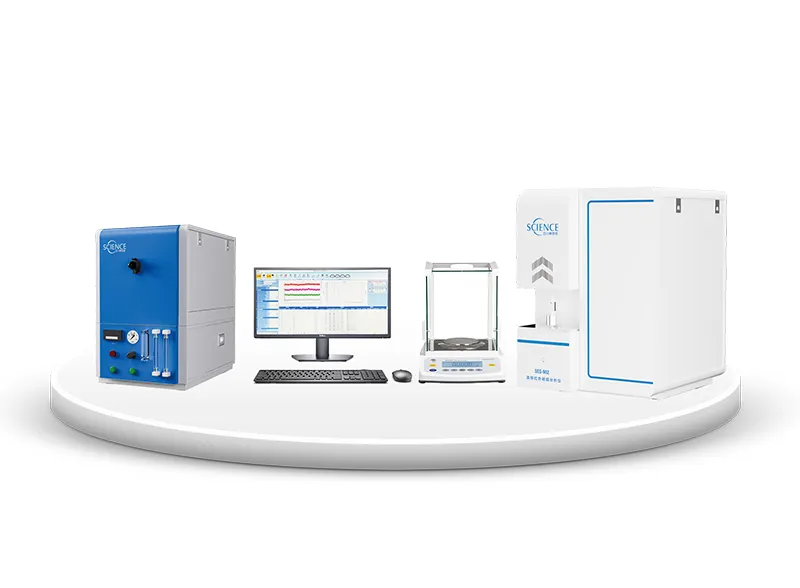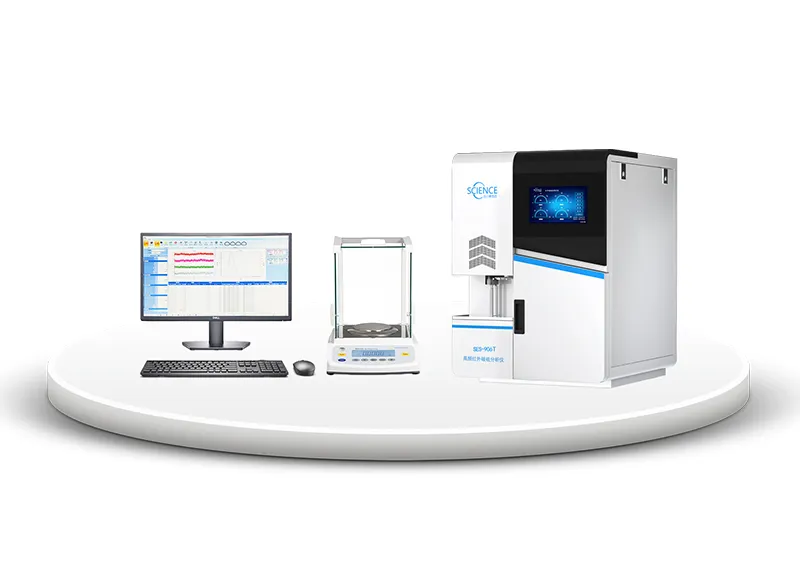
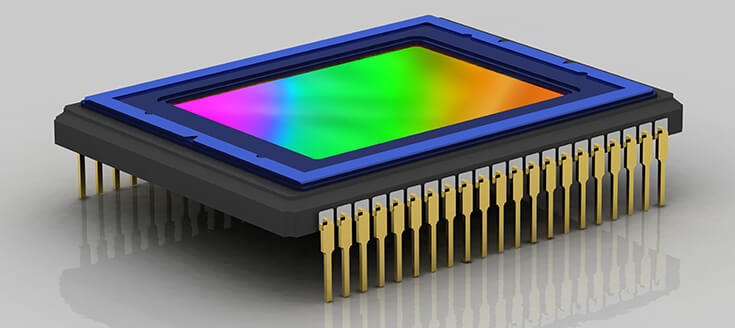
The English full name for CCD is Charge-coupled Device, and the Chinese full name is 电荷耦合元件.
After the Charge-coupled Device (CCD) was invented by Bell Labs in the United States in 1969, it developed rapidly and found widespread application. Its working principle is to use the photoelectric effect of semiconductor materials to convert light signals into electrical charges, which are then stored in potential wells formed by potential differences. By changing the potential distribution, the directional movement of the charges is controlled, and the amount of charge is ultimately read out to determine the intensity of the light signal. Unlike PMTs, a CCD is typically composed of thousands or even more tiny photosensitive areas (usually called pixels), with each pixel only a few micrometers wide. Due to its high sensitivity, low dark current, wide dynamic range, and stable geometric size, the CCD has been successfully applied in various optical instruments.
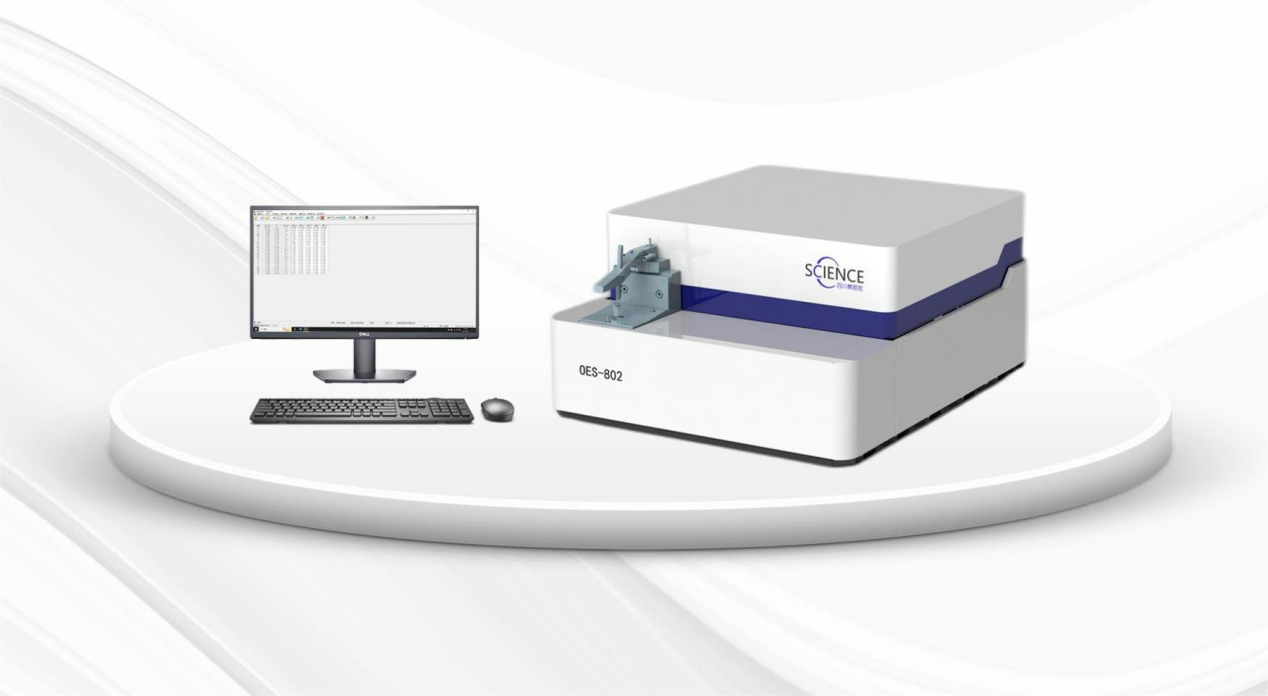
A full-spectrum direct-reading spectrometer, one type of elemental analysis instrument, based on a CCD can simultaneously acquire tens of thousands of atomic emission lines between 140-800 nm, meeting the analytical needs for all matrices and elements. Additionally, the dense spectral data can accurately restore the spectral line profiles on the image plane, solving the radiation background interference and spectral line overlap interference issues that are difficult for traditional multi-channel direct-reading spectrometers to handle, thereby further improving measurement accuracy.
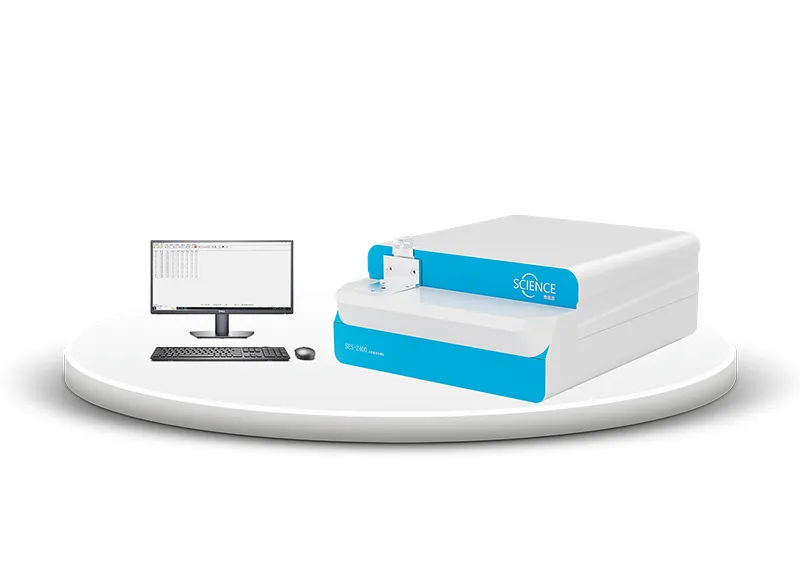
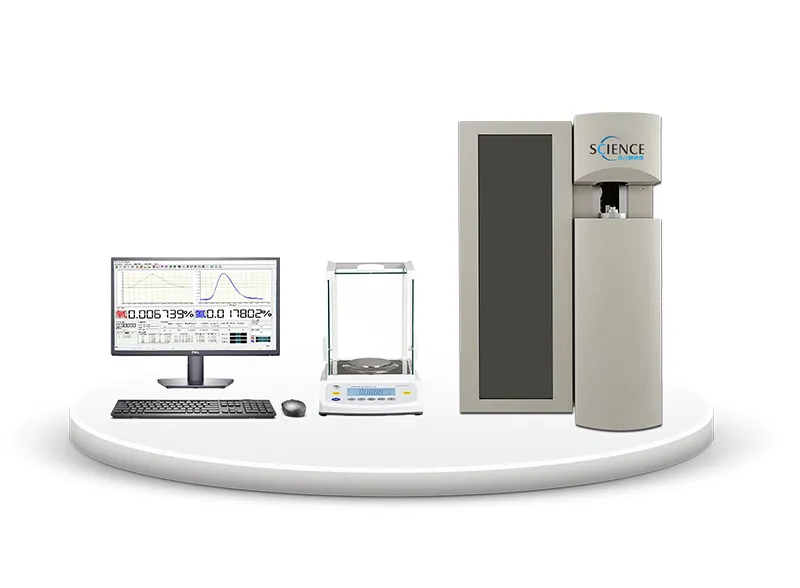
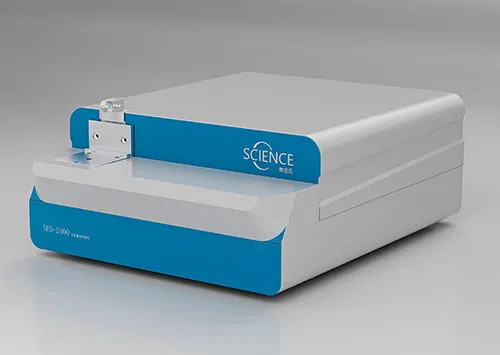
The Syens OES-802 direct-reading CCD spectrometer uses a CCD photosensitive element to receive the entire spectrum. This allows for the optimal selection of elemental spectral lines and the simultaneous measurement of multiple lines for the same element. The channel settings are largely unrestricted, making upgrades convenient and enabling multi-matrix analysis. The metal analysis spectrometer has a high degree of integration, is compact, and is easy to transport, move, and install. It also offers good reliability, high stability, simple operation, and a low failure rate.
Optical emission spectrometry (OES) is an industry-standard technique for the elemental analysis of a range of metals and alloys. Perform rapid elemental analysis of solid metallic samples with OES using Arc/Spark excitation.
In terms of wavelength, that's from 130 nanometers up to around 800 nanometers. OES can analyze a wide range of elements from hydrogen to uranium in solid metal examples covering a wide concentration range, giving very high accuracy, high precision and low detection limits.
Optical Emission Spectrometry (OES) is a fast and accurate way for foundries to accurately measure the exact chemical composition of the materials during their melt processes, but this accuracy and speed mean that spectrometers are also very sensitive.
Argon is essential for producing a spark excitation and preventing oxidation on the sample surface, which helps ensure accurate and precise analysis.
Talk to our experts for more help.