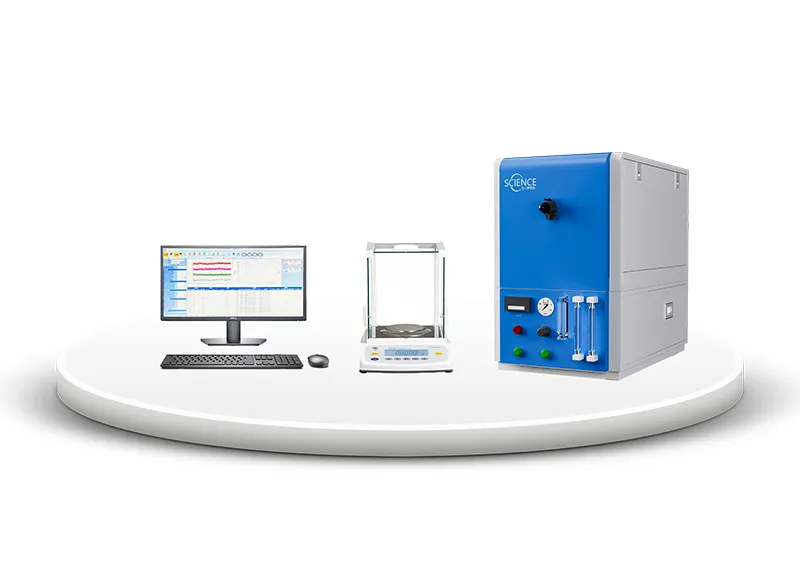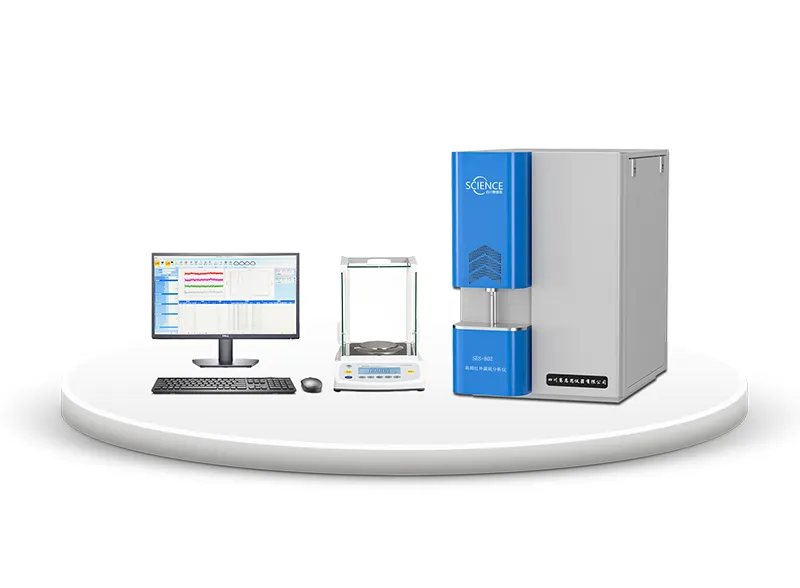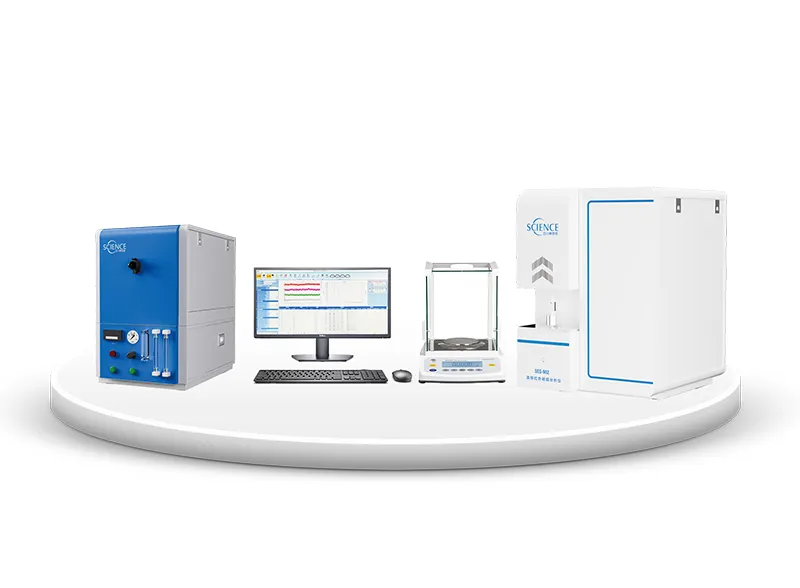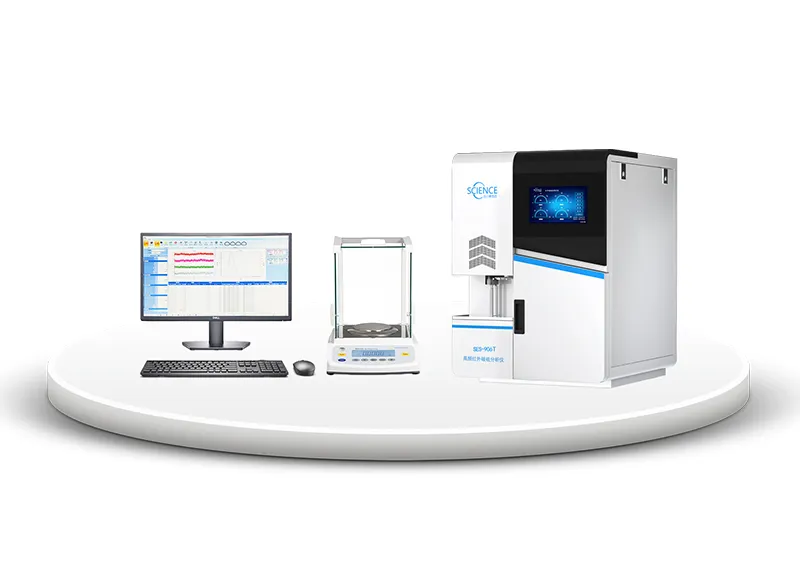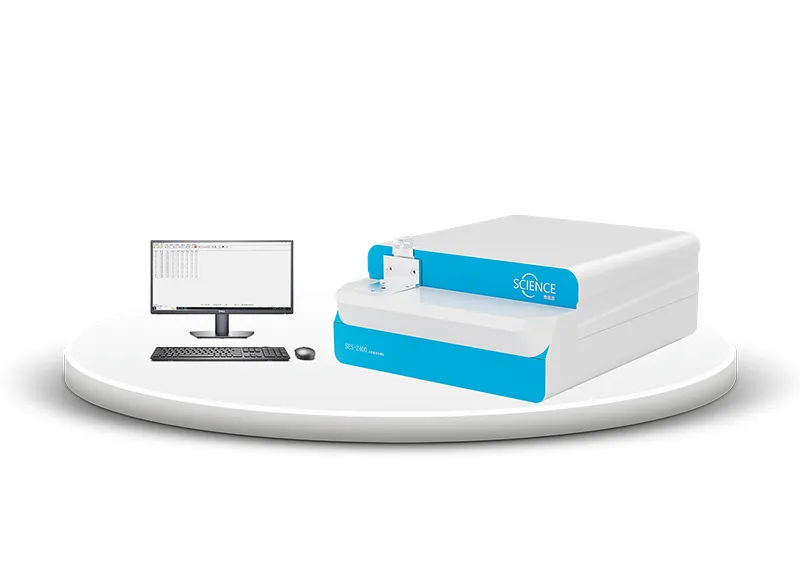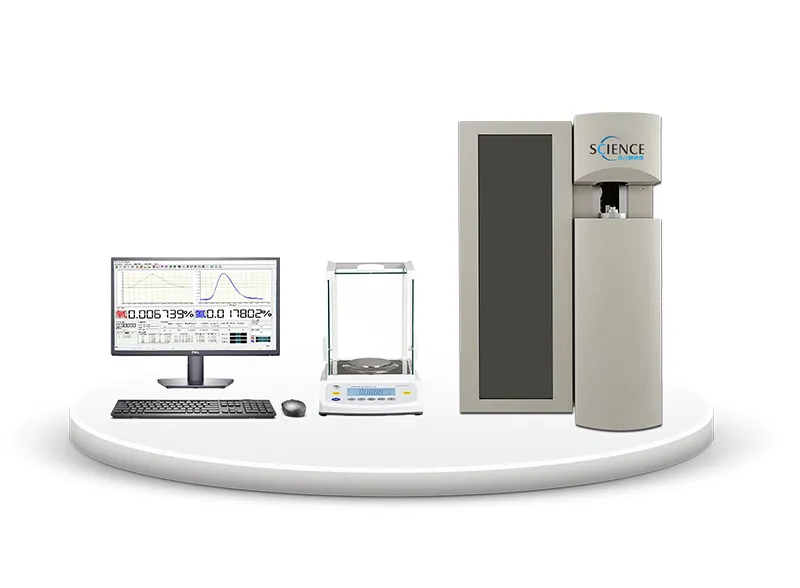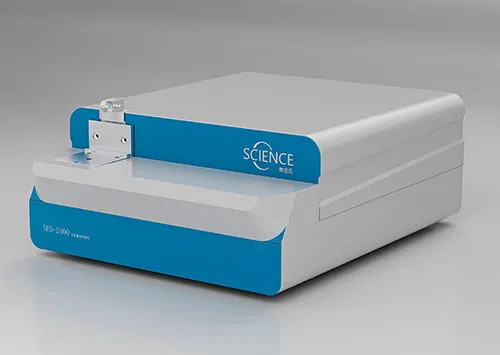
With the continuous development of industry, the requirements for the detection of gaseous elements in solid materials are constantly increasing; the relevant standards for the analysis of oxygen, nitrogen, and hydrogen are as follows:
GB/T 11261-2006 Determination of Oxygen Content in Steel; Inert Gas Fusion-Infrared Absorption Method with Pulse Heating
GB/T 20124-2006 Determination of Nitrogen Content in Steel and Iron; Inert Gas Fusion-Thermal Conductivity Method (Conventional Method)
GB/T 223.82-2007 Determination of Hydrogen Content in Steel and Iron; Inert Gas Pulse Fusion-Thermal Conductivity Method
GB/T 5121.8-2008 Methods for Chemical Analysis of Copper and Copper Alloys - Part 8: Determination of Oxygen Content
GB/T 14265-93 General Principles for Carbon, Sulfur, Oxygen, Nitrogen, and Hydrogen Analysis
ISO 10720 Steel and Iron — Determination of Nitrogen Content — Thermal Conductimetric Method after Fusion in a Current of Inert Gas
ISO 17053 Steels — Determination of Oxygen — Infrared Measurement Method After Inert Gas Fusion
JIS G 1228-2006 Methods for Determination of Nitrogen in Steels
JIS G 1201-2001 General Rules for Chemical Analysis of Steel
ASTM E1569 Standard Test Method for Determination of Oxygen in Tantalum Powder by Inert Gas Fusion
ASTM E1409 Test Method for Determination of Oxygen and Nitrogen in Titanium and Titanium Alloys by Inert Gas Fusion Technique
ASTM E1447 Analysis of Hydrogen in Titanium and Titanium Alloys
ASTM E1019-CSON Detection Methods and Standards for Oxygen, Sulfur, and Nitrogen in Metals such as Steel, Nickel, and Cobalt Alloys, and Other Domestic and International Standards
GB/T 3965-2012 Method for the Determination of Diffusible Hydrogen in Deposited Metal
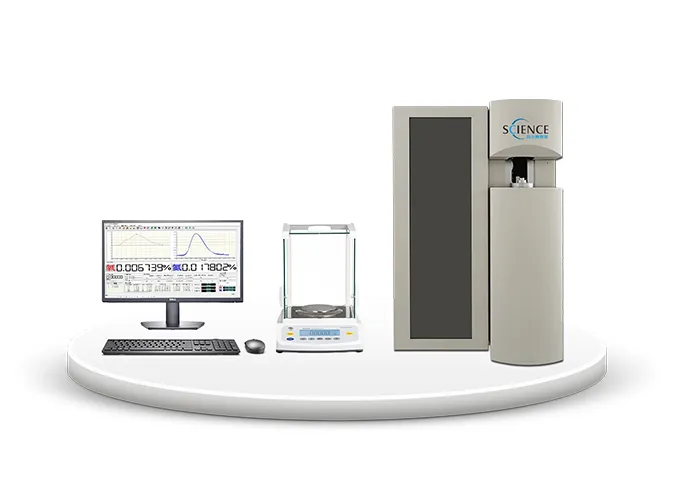
With over a decade of R&D and global service experience, SYENS empowers industrial material testing through precision analytical solutions. Our advanced ONH analyzer enhances product quality, supports rigorous compliance, and fosters long‑term collaboration with industry partners.
The decomposition of nitrogen in organic samples utilizing a concentrated acid solution. This is accomplished by boiling a homogeneous sample in concentrated sulfuric acid. The end result is an ammonium sulfate solution.
Most pulse oximeters are accurate to within 2% to 4% of the actual blood oxygen saturation level.
An oxygen leak analyzer is a gas analyzer used to find and measure oxygen leaks in various settings. It's particularly important in places like welding, hospitals, factories, and aerospace facilities where controlling oxygen levels during a certain process is critical.
Describe the two-step process for calibrating an oxygen analyzer. Step 1 is to expose the electrode to 100% O2 and calibrate the reading to 100%. Step 2 is to expose the electrode to 21% O2 and confirms a second reading of 21%.
Talk to our experts for more help.