With life becoming increasingly digital and smart, various electronic products, such as computers, mobile phones, and a wide range of AI smart products, have permeated all aspects of our lives. These electronic products are also continuously developing toward miniaturization and compactness, which places higher demands on the performance of the materials used for their electronic components.

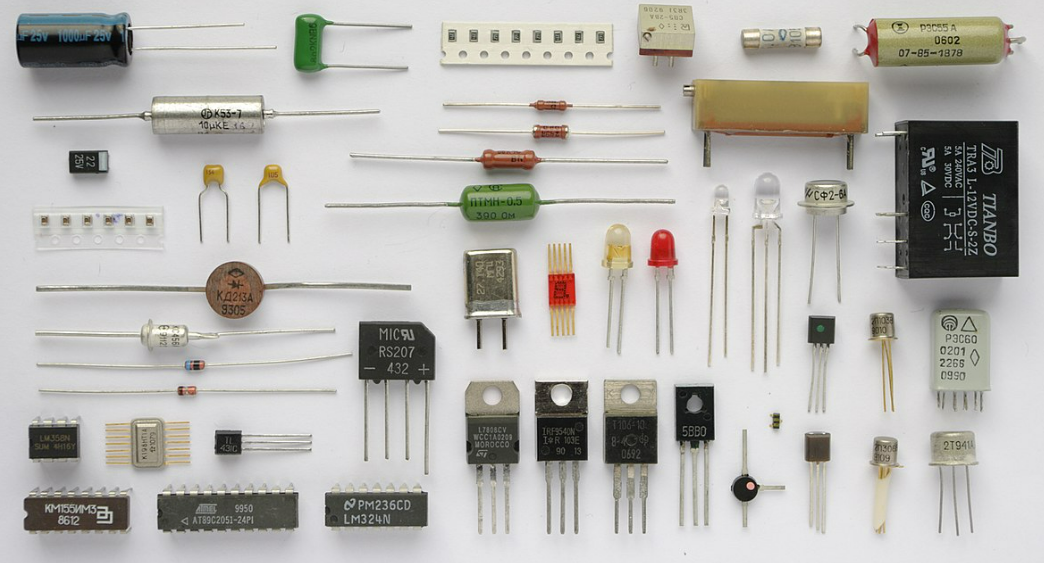
The materials required to manufacture electronic components include metals, semiconductors, insulators, and ceramics. Among these, metals are one of the most commonly used materials for electronic components, such as copper, aluminum, nickel, and iron. Semiconductors are key materials for manufacturing integrated circuits, solar cells, and other electronic components, such as silicon and germanium. Insulators are used to isolate different circuits or parts within an electronic device, with examples including glass and ceramics. Ceramics are also one of the important materials for making the casings of electronic components. In addition, the manufacturing of electronic components requires some special raw materials, such as various thin-film materials, electrode materials, and electronic adhesives. These materials play a crucial role in the manufacturing process of electronic components, and their quality and performance directly affect the overall quality and performance of the entire component.
Carbon is one of the most widely distributed elements in nature and is the most important element that constitutes all life on Earth. Detecting the carbon content in materials is a crucial part of quality control. Carbon content that is either too high or too low can have adverse effects on the performance and lifespan of a component.
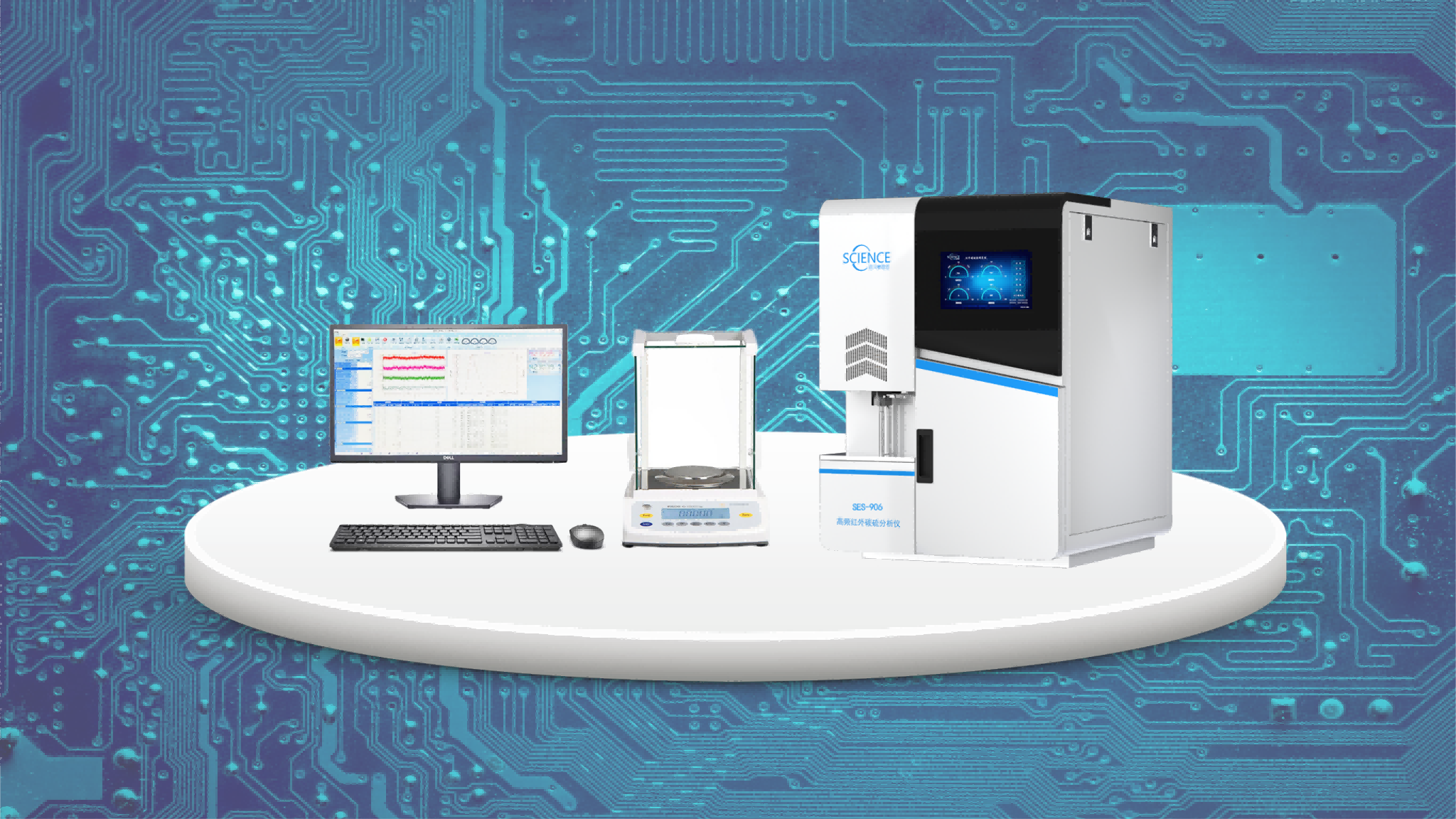
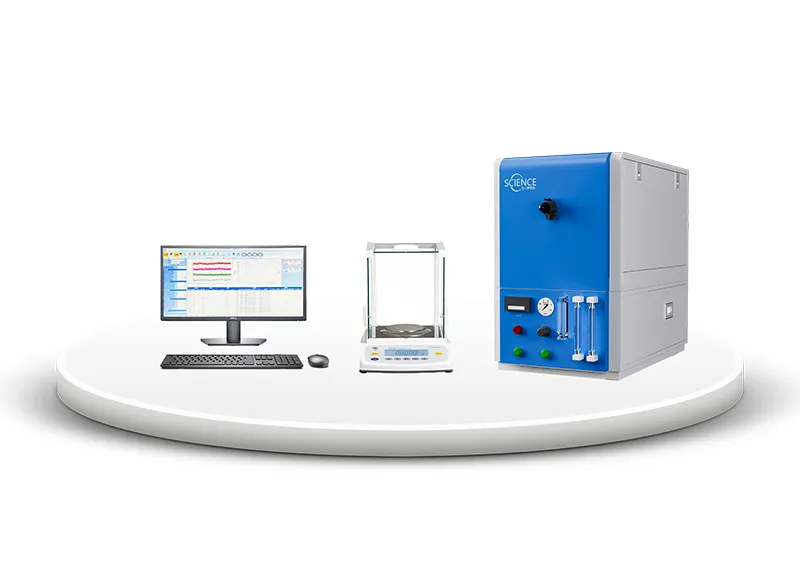
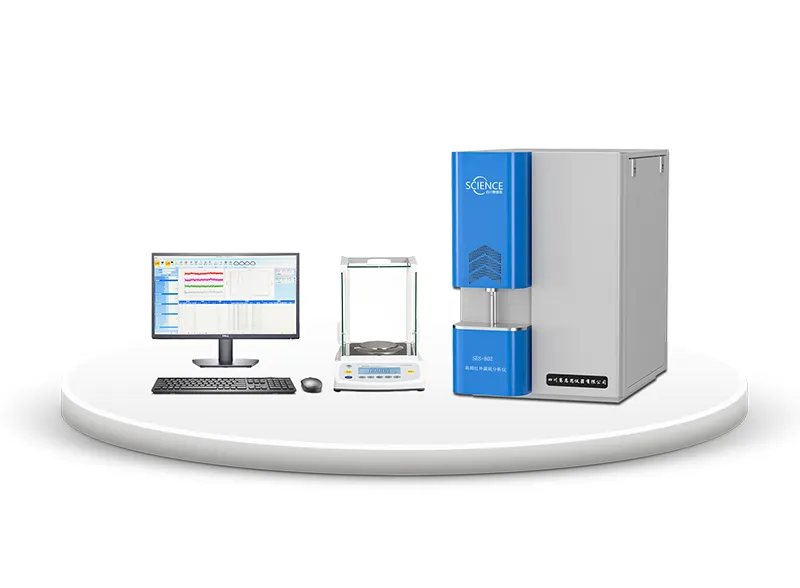
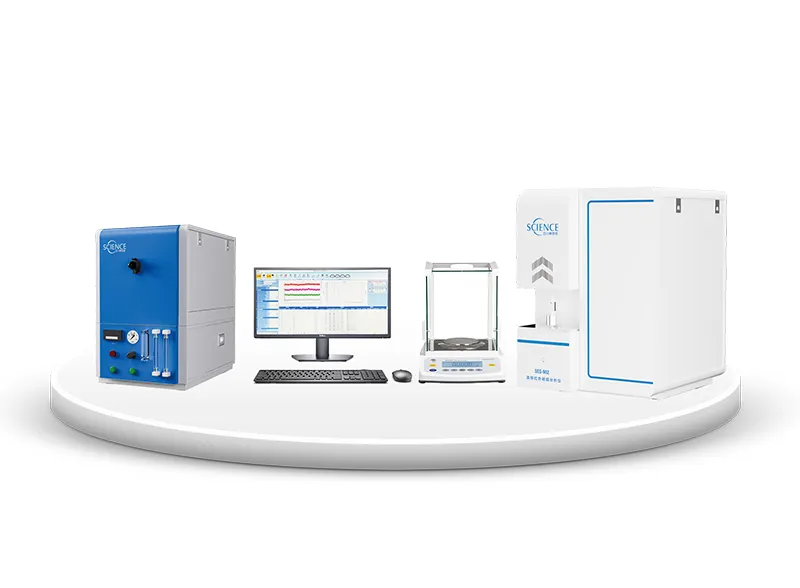
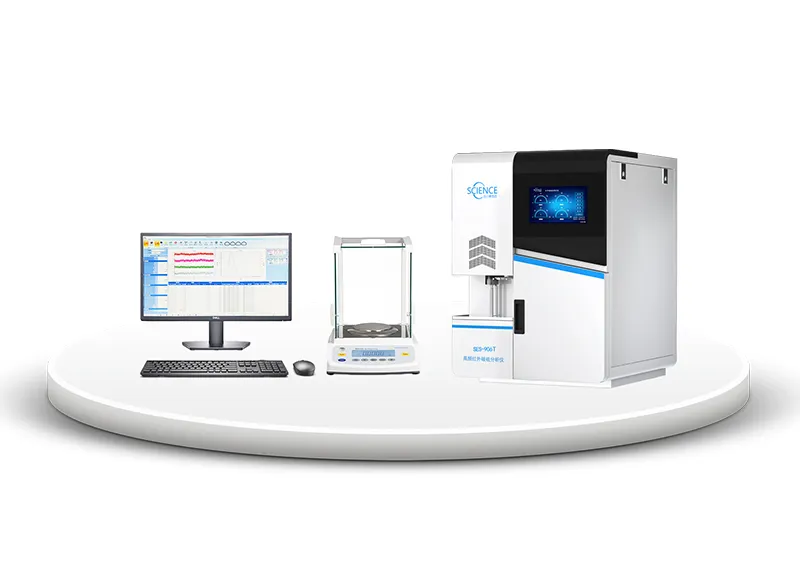
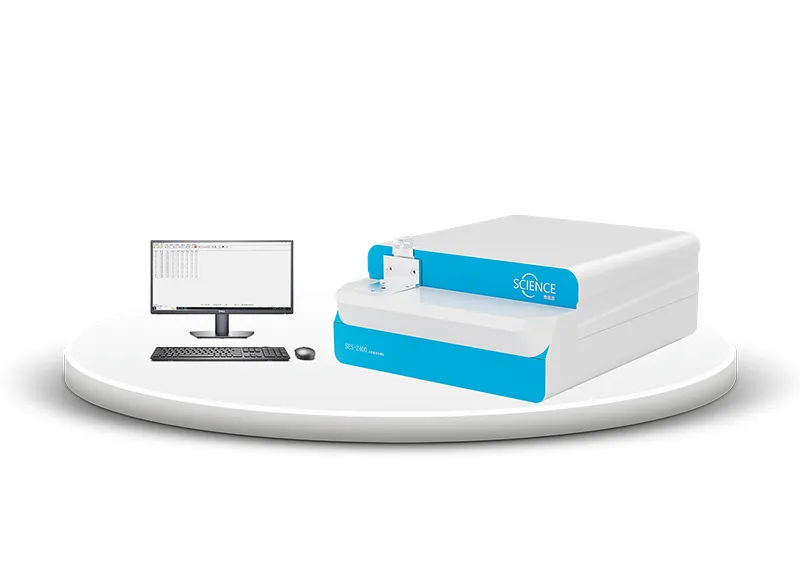
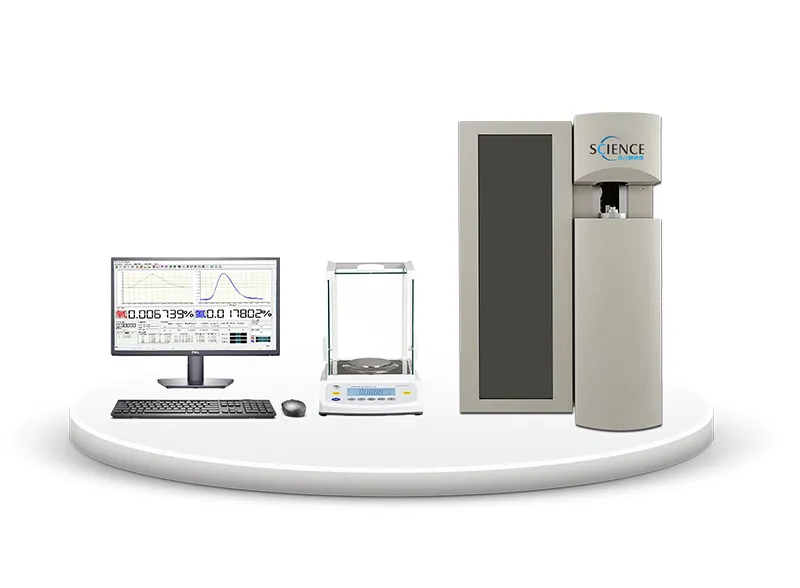
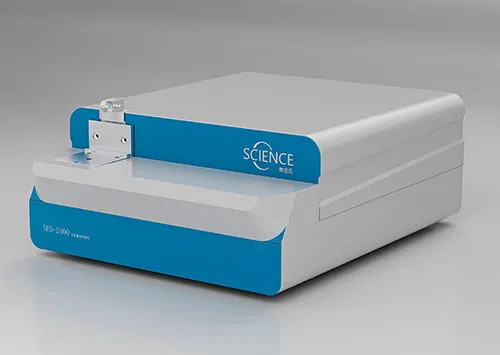
A high-frequency infrared carbon-sulfur analyzer is an efficient, accurate, and reliable analytical instrument that can detect the carbon content in electronic components. Compared to traditional chemical detection methods, the infrared absorption method is fast, simple, and easy to operate, making it very convenient to use.
The detection principle of a high-frequency infrared carbon-sulfur analyzer is to combust the sample in a high-frequency induction furnace with oxygen, which generates and releases carbon dioxide and sulfur dioxide gases. The carbon and sulfur elements are separated from the sample using a combustion-separation method. The content of the carbon dioxide and sulfur dioxide is then measured using a gas colorimetric method, and this is converted to determine the carbon and sulfur content in the sample. This method is environmentally friendly, consumes no chemical reagents, does not pollute the environment, and is simple to operate and highly efficient to analyze.