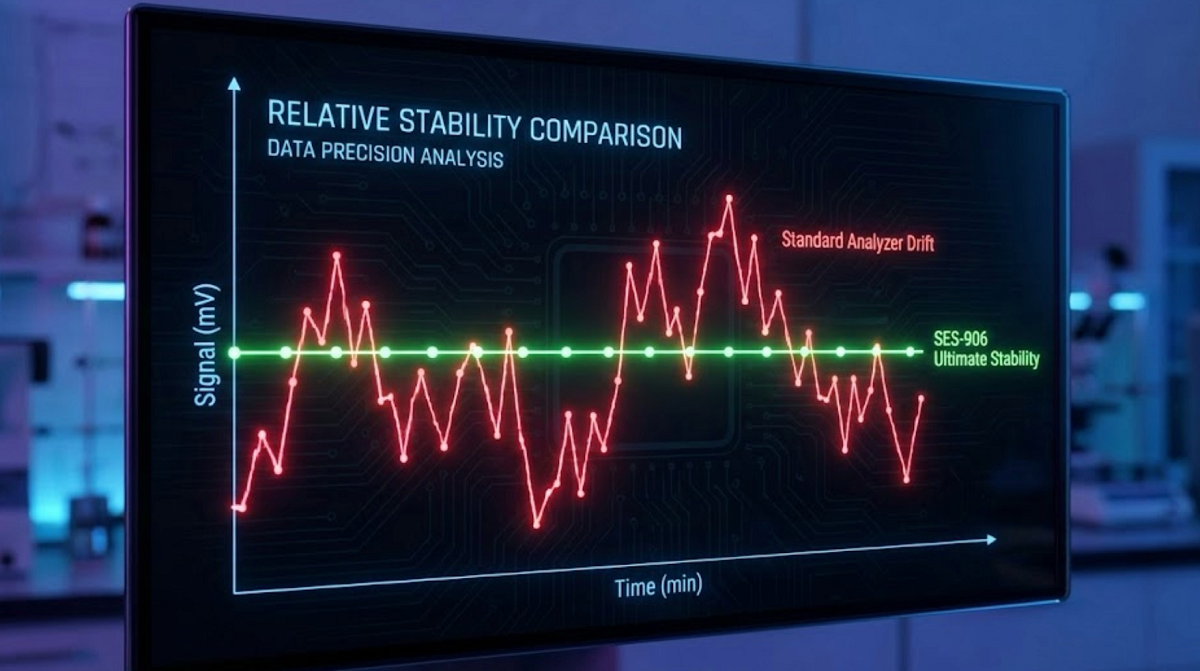
In the realm of advanced materials—whether it is ultra-low carbon steel for automotive applications or superalloys for aerospace turbines—the margin for error is non-existent. For Quality Control Managers and Laboratory Directors, the daily battle is not just achieving accuracy on a single test, but maintaining that exact precision across hundreds of samples, day after day.
Many entry-level combustion analyzers look impressive on their specification sheets. However, under the rigorous demands of continuous industrial use, a critical flaw emerges: Baseline Drift. When an instrument’s baseline drifts due to environmental temperature changes or electronic instability, a sample containing 15 ppm of Carbon might suddenly read as 20 ppm.
This isn't just a rounding error; it is the difference between a passed inspection and a catastrophic material failure. True analytical confidence requires an instrument engineered from the ground up for Absolute Stability.
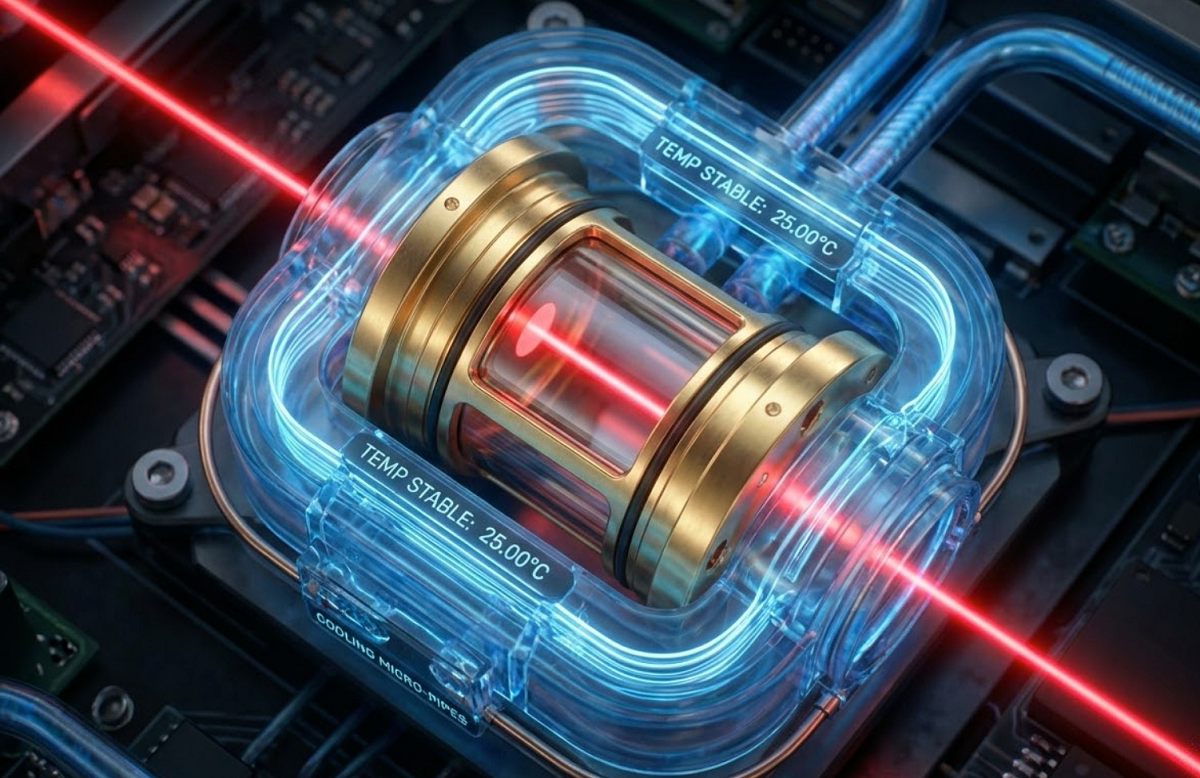
The core of Carbon/Sulfur analysis relies on Infrared (IR) absorption. Infrared detection cells are extraordinarily sensitive to temperature variations. If the internal temperature of the analyzer fluctuates by even a fraction of a degree, the IR signal noise increases, directly degrading the detection limit and repeatability.
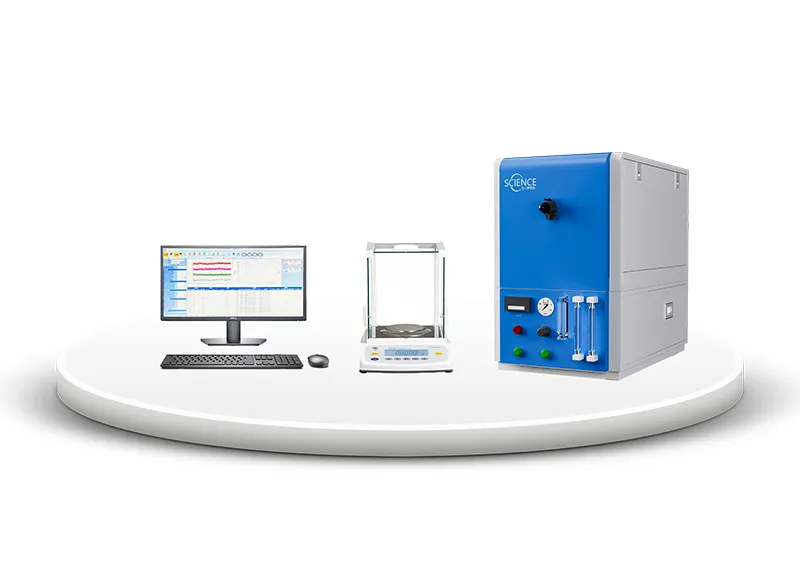
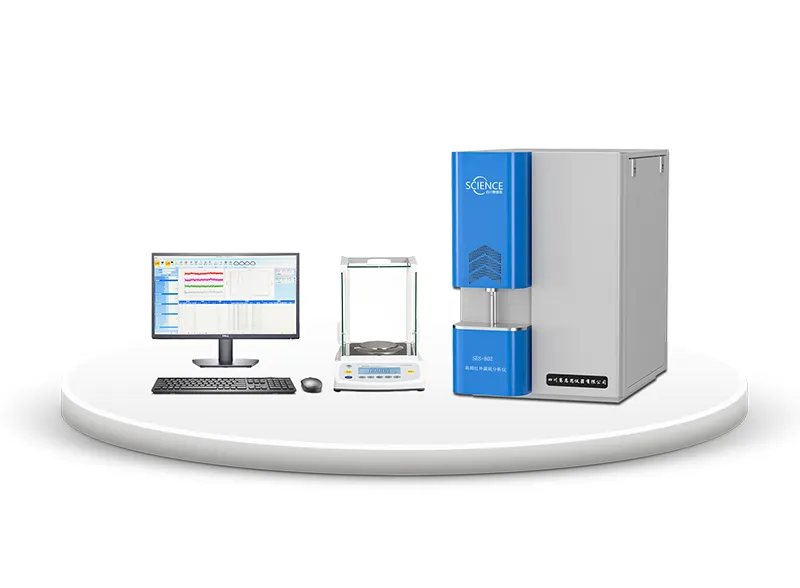
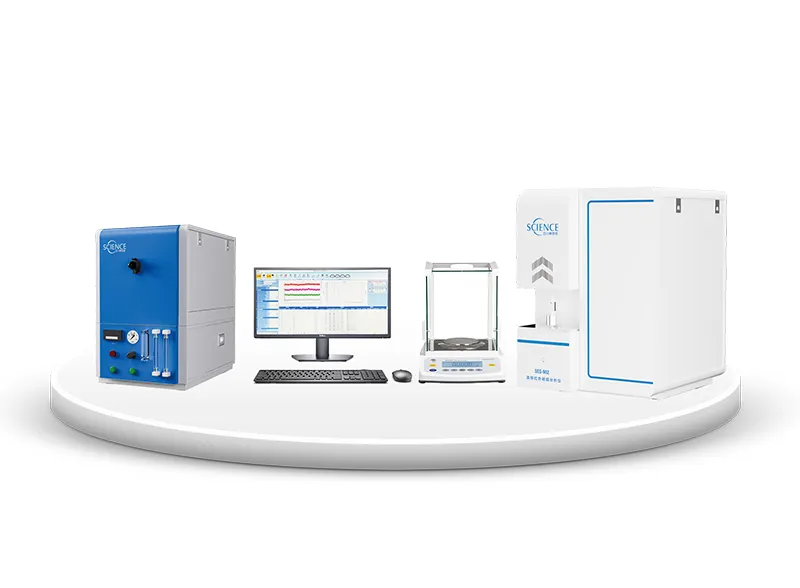
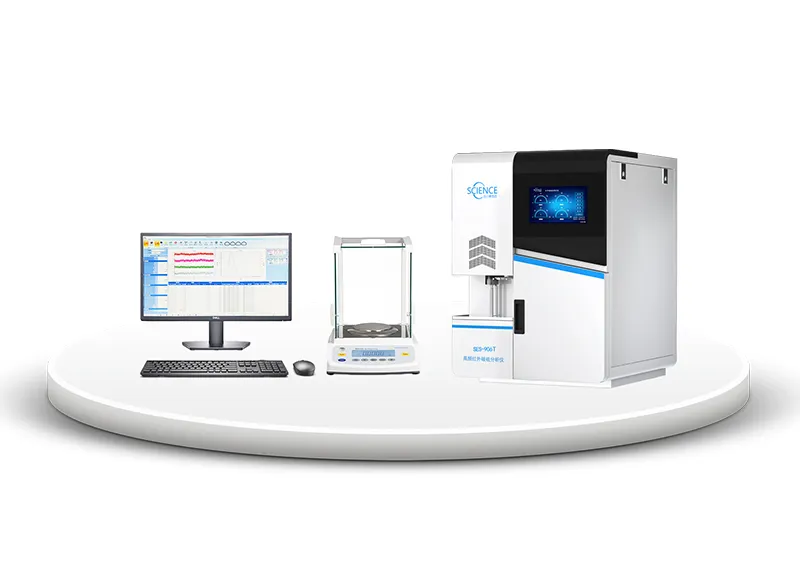
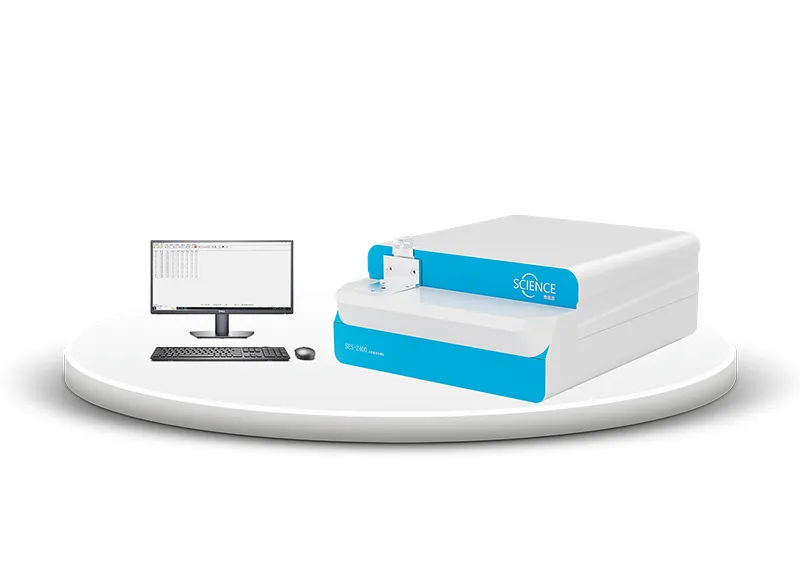
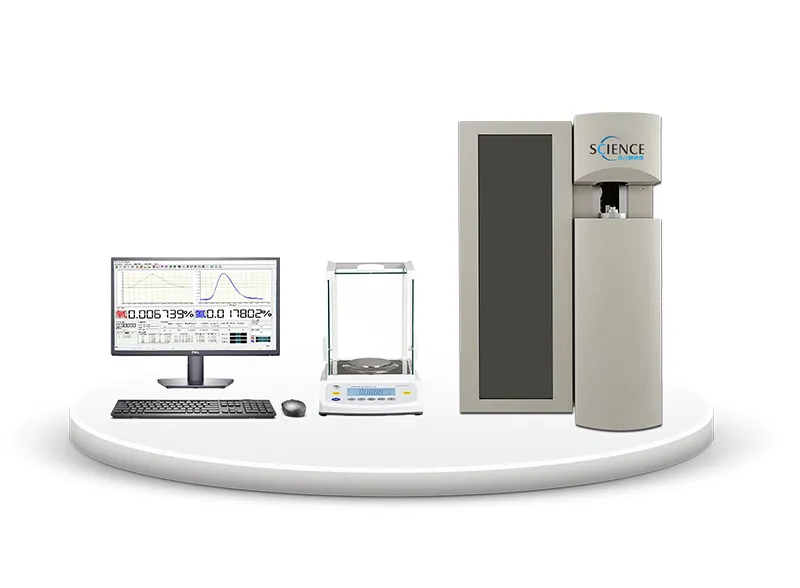
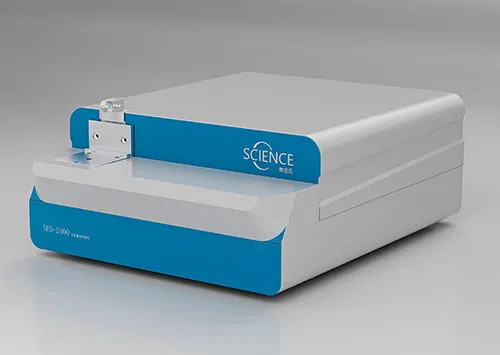
To combat this, leading-edge analyzers, such as the SES-906 from Sichuan Syens Instrument, have moved beyond basic cooling fans.
Third-Generation Constant-Temperature Architecture: Instead of relying on ambient lab conditions, the SES-906 utilizes a double-layer infrared constant-temperature technology. This sophisticated thermal management system isolates the critical detection components, maintaining a rigid internal temperature variance of ±0.5°C.
The Result: Ultra-low drift. Your 100th test of the day is executed under the exact same thermal conditions as your calibration run, ensuring an RSD (Relative Standard Deviation) of ≤0.5%.
Powering Consistent Combustion: The Vacuum Ceramic Capacitor
Precision detection means nothing if the sample isn't combusted perfectly every single time. Traditional high-frequency furnaces often rely on standard electronic oscillators, which can degrade over time, leading to inconsistent plasma energy and incomplete combustion of refractory materials.
Achieving parts-per-million (ppm) accuracy requires unwavering power delivery:
High-Precision Vacuum Ceramic Capacitors: By replacing conventional oscillation components with military-grade vacuum ceramic capacitors, the analyzer ensures that the 3.5KW/20MHz high-frequency power remains absolutely stable.
The Result: Even the most stubborn non-metallic materials and advanced alloys melt instantly and uniformly. This guarantees the 100% release of CO₂ and SO₂ gases, eliminating the "memory effect" and ensuring that trace elements (as low as 0.01ppm) are accurately quantified.
The final piece of the precision puzzle is the journey of the gas from the furnace to the IR cells. Micro-leaks or chemical adsorption along the pneumatic pathway can ruin a test.
Advanced engineering dictates the use of Fully Mirrored Stainless Steel Piping. Unlike plastic or standard tubing, highly polished internal surfaces prevent the adsorption of trace gases, ensuring that every molecule of Carbon and Sulfur reaches the detector intact.
Long-term stability in Carbon and Sulfur analysis is not achieved through software algorithms alone; it requires uncompromising hardware engineering. When your laboratory's reputation relies on the integrity of your data, you cannot afford an instrument that drifts.
By integrating ultra-stable thermal management, vacuum ceramic capacitor power, and zero-adsorption gas pathways, the SES series analyzers deliver the ultimate precision your advanced materials demand.
Does your current analyzer struggle with baseline drift?
[Consult with our Metrology ExpertsToday] to learn how Sichuan Syens can upgrade your laboratory’s precision and eliminate measurement uncertainty.