In the metal smelting and deep-processing industries, the importance of testing equipment is self-evident.
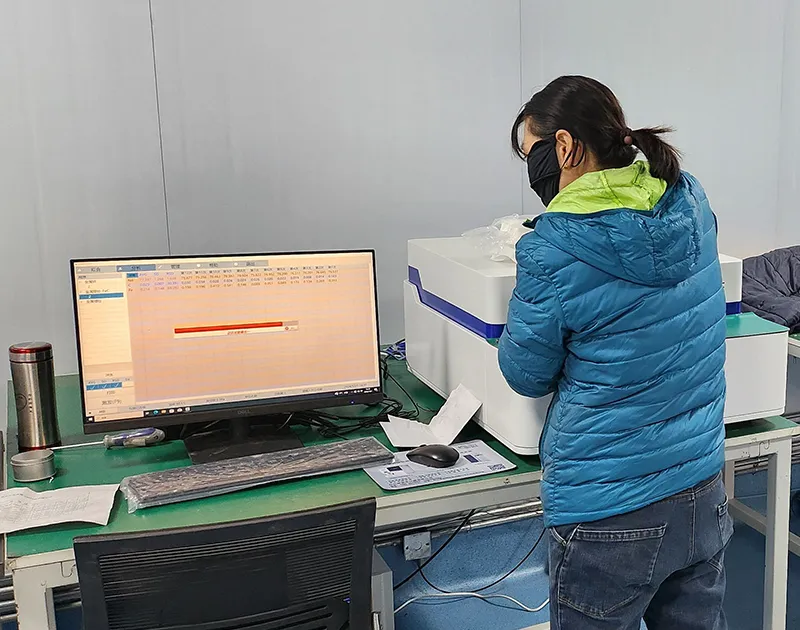
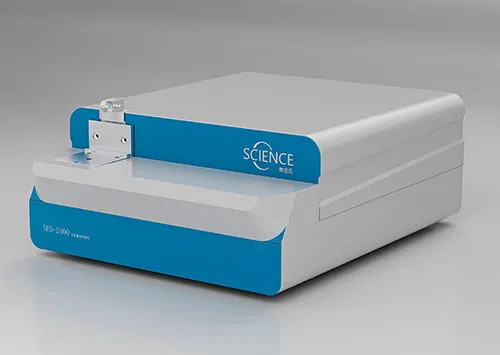
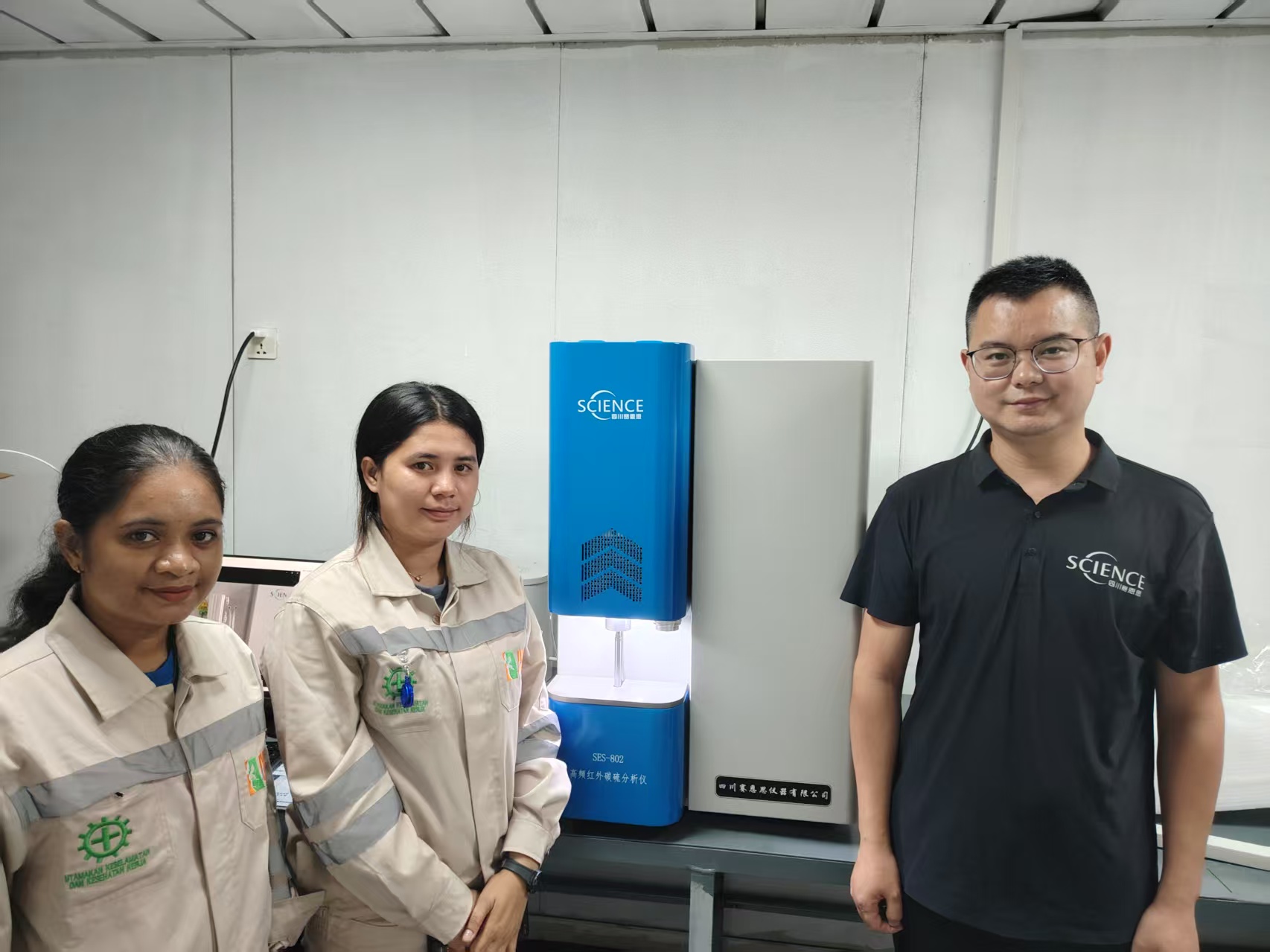
Recently, at the production site of Indonesia Poly Aluminum, a high-frequency infrared carbon-sulfur analyzer from China has quietly been put into service, ensuring the quality of the company’s products.
Indonesia Poly Aluminum is a large-scale enterprise located in Indonesia’s resource-rich industrial zone, focusing on electrolytic aluminum production as its core business.
The company not only produces high-purity electrolytic aluminum but also strictly controls raw materials. It constantly tests various raw materials, including bauxite (aluminum ore) and high-phosphorus pig iron, to ensure the stability of the smelting process and the quality of the final product. These products are widely used in construction, transportation, electric power, and packaging, and are exported to Southeast Asia and Middle Eastern markets. In the fiercely competitive international aluminum supply chain, Poly Aluminum has extremely high requirements for composition and purity, especially regarding the control of impurity elements like carbon and sulfur, strictly adhering to international standards.
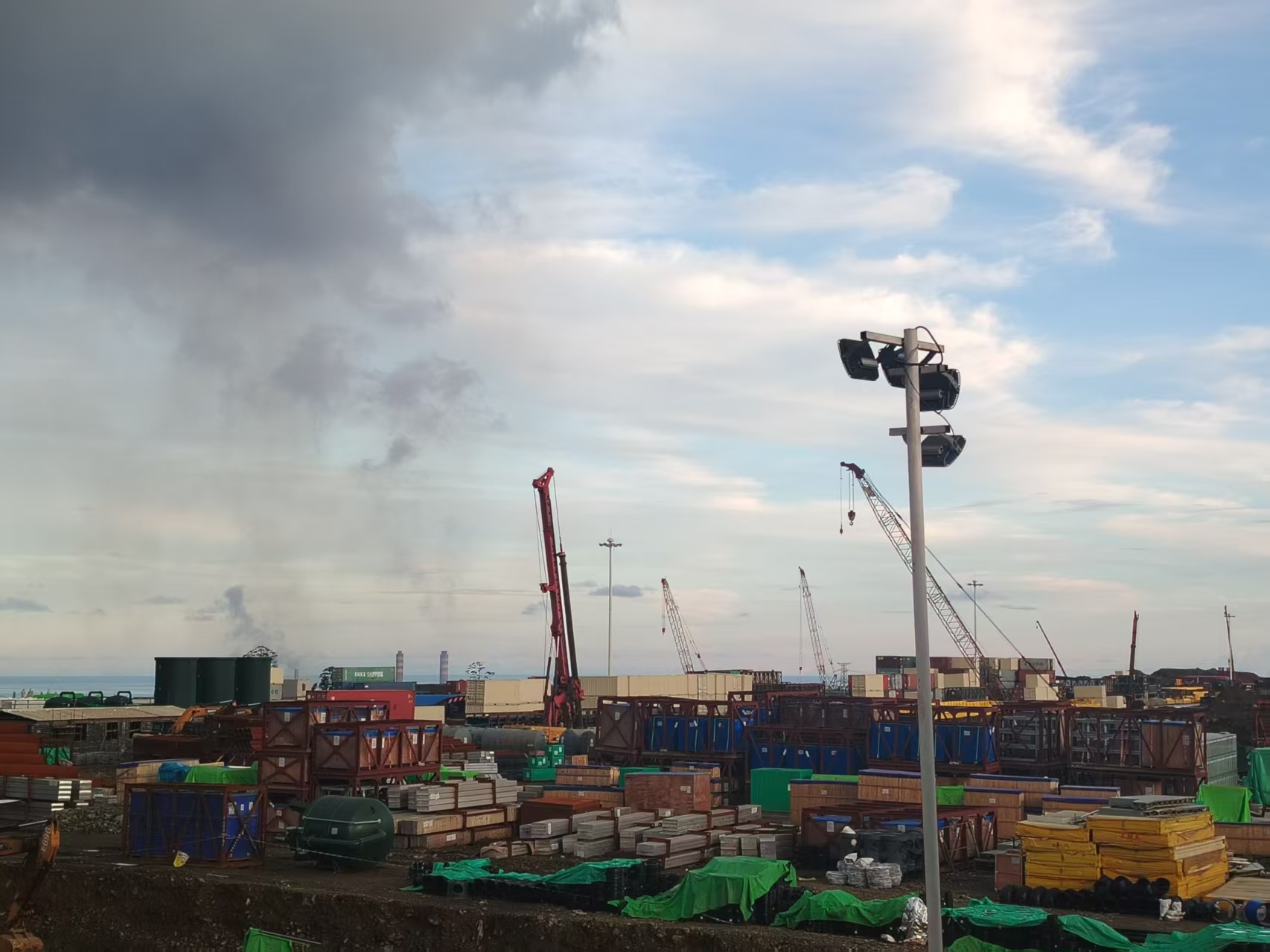
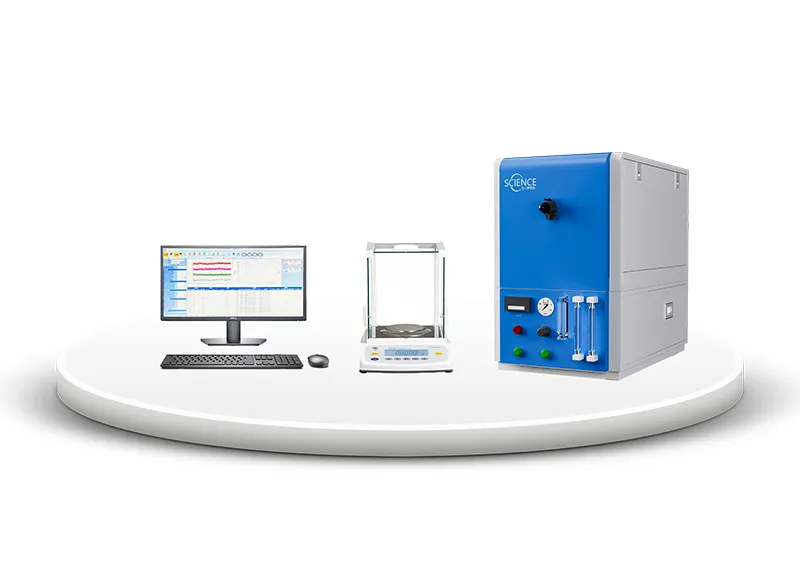
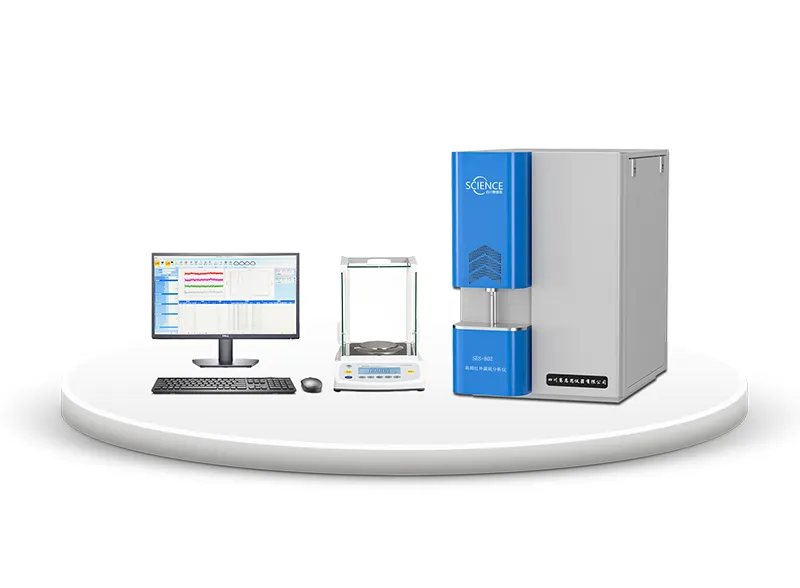
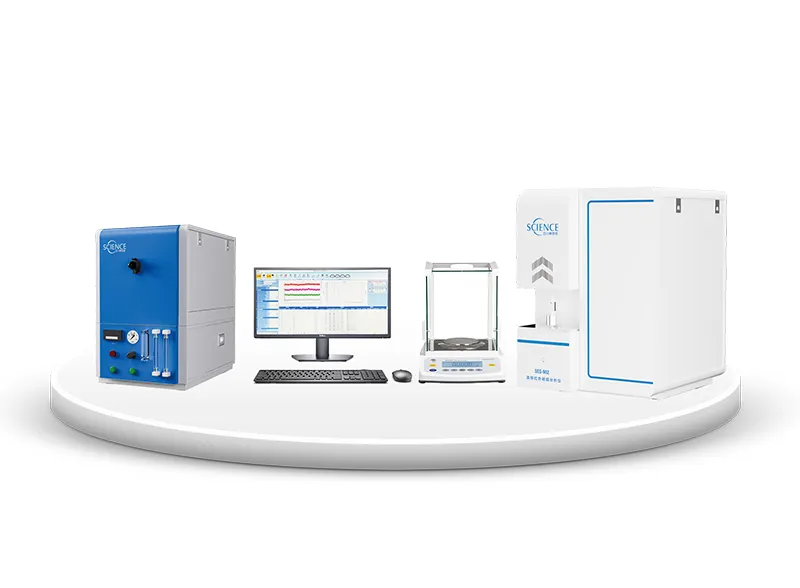
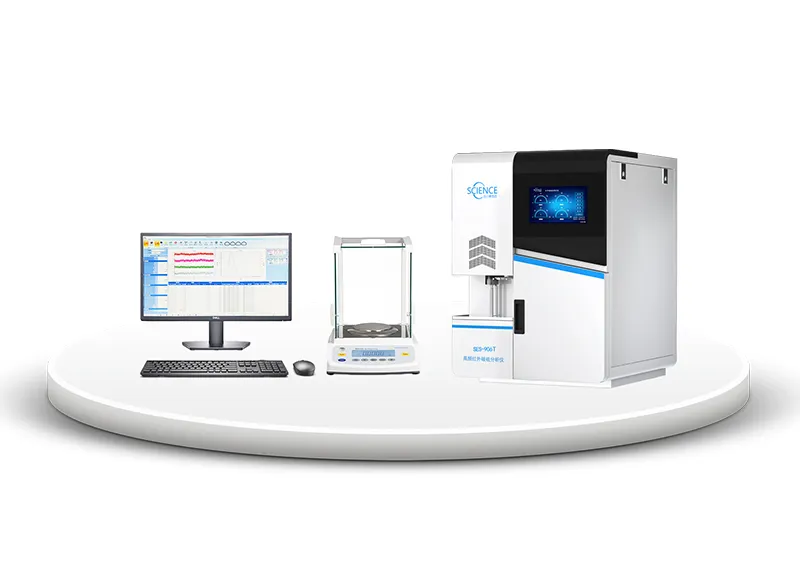
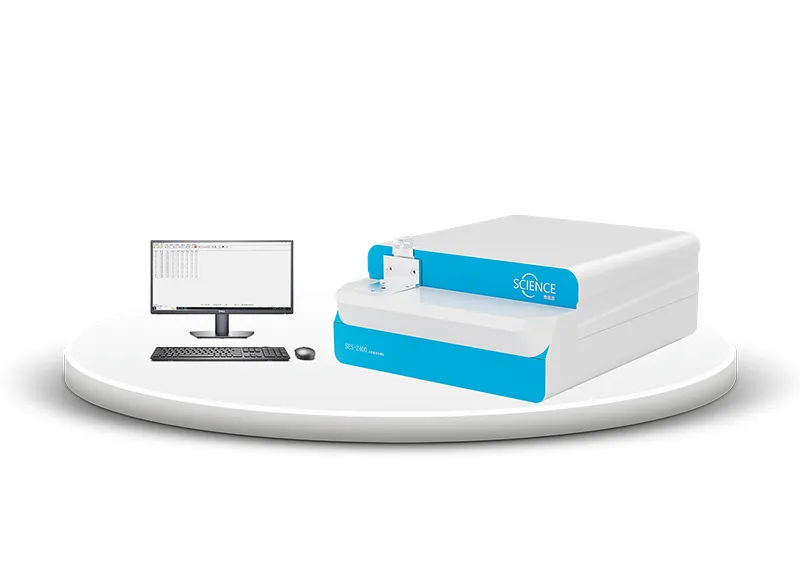
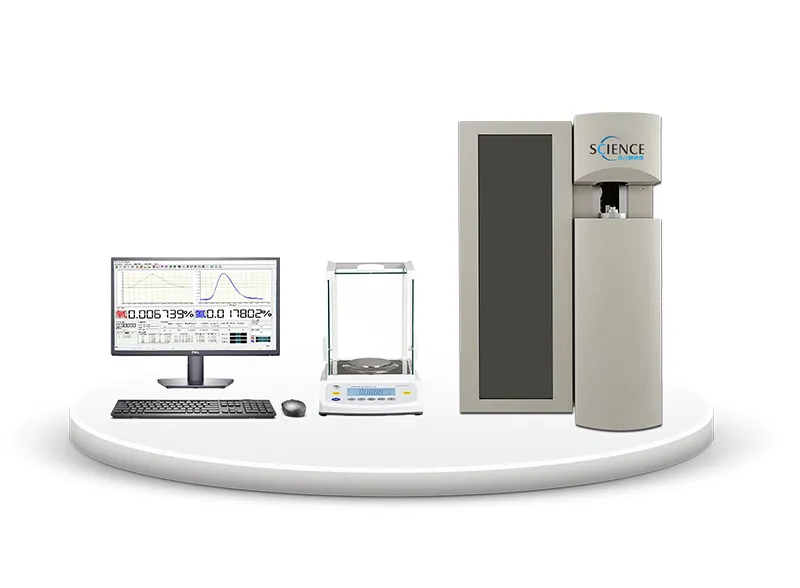
To further enhance testing efficiency and precision, Poly Aluminum introduced a high-frequency infrared carbon-sulfur analyzer.
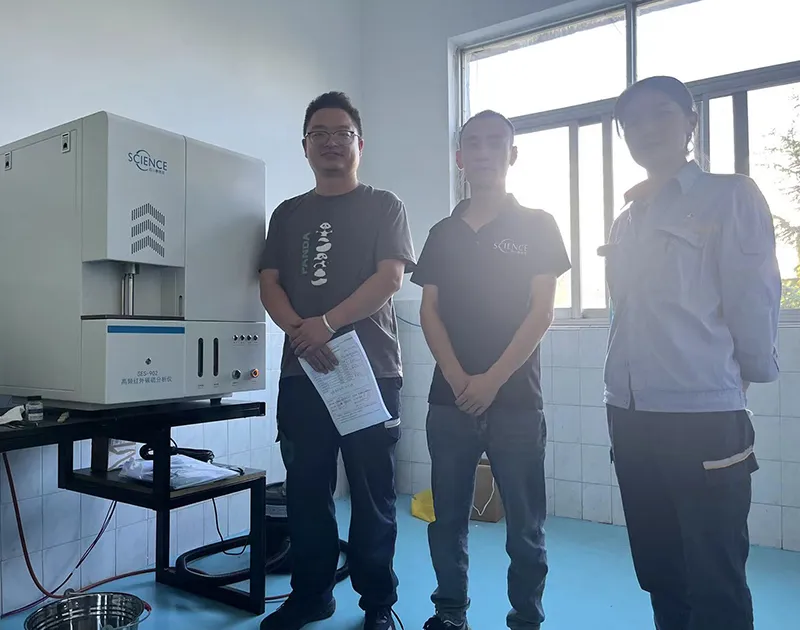
After the equipment arrived in Indonesia, engineers from Syens Instruments in China immediately rushed to the site, completing the entire process from installation and debugging to trial operation.
For the engineers, this was more than just a business trip; it was a race against time and the environment. Facing the tropical humid climate, different power standards, and language communication challenges, they still completed the task efficiently.
Many people assume carbon-sulfur analysis is only a requirement in the steel industry, but the control of carbon and sulfur elements is equally critical in electrolytic aluminum production.
In Raw Materials: Excessive carbon and sulfur content in bauxite and high-phosphorus pig iron can lead to impurity accumulation during the smelting process, affecting the purity of the molten aluminum.
In Finished Products: Abnormal carbon and sulfur levels can impact the aluminum material's conductivity, corrosion resistance, and subsequent processing quality.
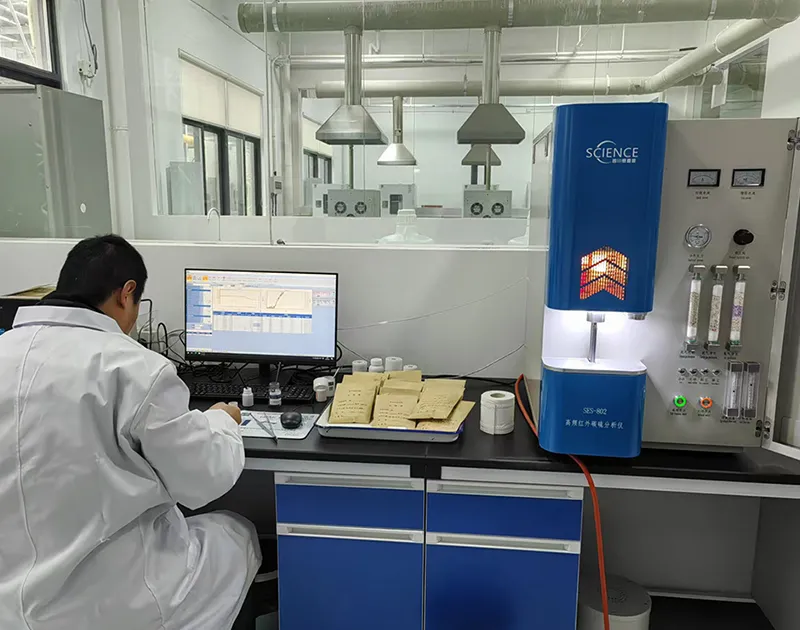
The high-frequency infrared carbon-sulfur analyzer uses the combustion method combined with infrared detection technology to accurately determine the carbon and sulfur content in samples within a short time, providing reliable data support for the production process.
"Every overseas installation and debugging is an exchange of technology and culture," said the on-site engineer. In addition to ensuring stable equipment operation, they also provided Indonesian technical personnel with detailed explanations of the instrument's operating procedures, maintenance methods, and common problem-solving solutions, helping the local team quickly get up to speed.
The journey from Sichuan to Indonesia crosses not only geographical distance but also differences in industrial production philosophies and testing standards between the countries.
In recent years, Sichuan Syens Instruments has repeatedly dispatched engineers to Indonesia for equipment installation and debugging services. Within the Weda Bay Industrial Park, multiple Syens high-frequency infrared carbon-sulfur analyzers are already operating stably, providing reliable testing support to several metallurgical enterprises in the park.
These cross-border technical exchanges are making more and more enterprises realize that advanced testing equipment and precise data analysis are a vital part of enhancing product competitiveness.