In the modern landscape of materials science and metallurgy, the precise determination of carbon and sulfur content is not merely a quality control requirement—it is a critical necessity for ensuring structural integrity and performance. Whether in the production of high-grade steel, the development of new energy materials, or the analysis of geological ores, the infrared carbon sulfur analyzer has emerged as the gold standard.
At the heart of this technology lies the principle of infrared absorption, a method that offers unparalleled speed and accuracy. As a leading analytical instrument manufacturer, SYENS has pioneered several advancements in this field, integrating over 40 national patents into its range of high-performance instruments.
Infrared (IR) absorption is based on the principle that different gas molecules absorb infrared radiation at specific, characteristic wavelengths. When a sample is combusted, the carbon and sulfur within it are converted into carbon dioxide and sulfur dioxide, respectively. These gases are then carried into an infrared detection cell.
The core of the detection system operates on the Beer-Lambert Law, which states that the amount of light absorbed by a gas is proportional to its concentration. By measuring the intensity of infrared light before and after it passes through the gas chamber, the instrument can calculate the exact mass of carbon and sulfur present in the original sample.
SYENS utilizes NDIR technology across its product line. Unlike dispersive methods that use prisms or gratings, NDIR uses narrow-band filters to isolate the specific wavelengths required for CO2 and SO2 detection. This reduces interference from other gases and ensures that the types of analytical instruments provided by SYENS maintain a sensitivity level as low as 0.01ppm.
Before infrared absorption can occur, the solid sample must be completely oxidized. The method of combustion is determined by the nature of the material being tested. SYENS offers two primary combustion technologies: Tube Furnace and High-Frequency Induction.
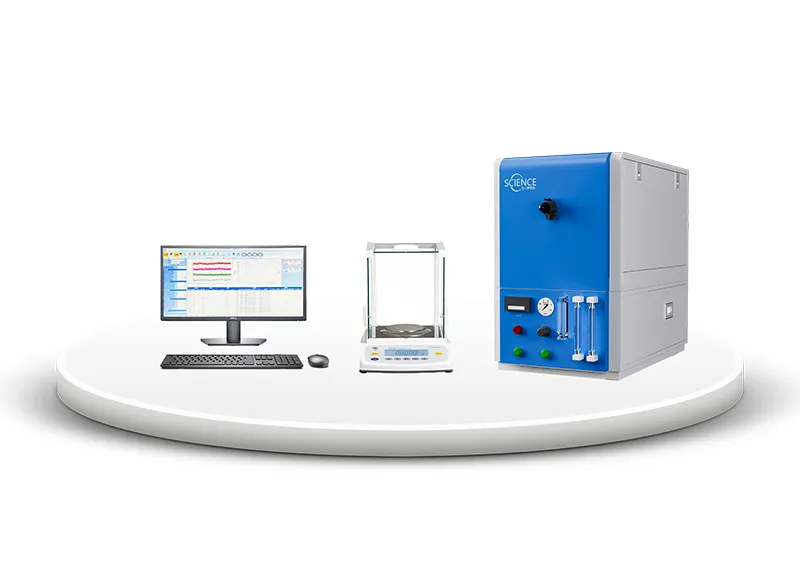
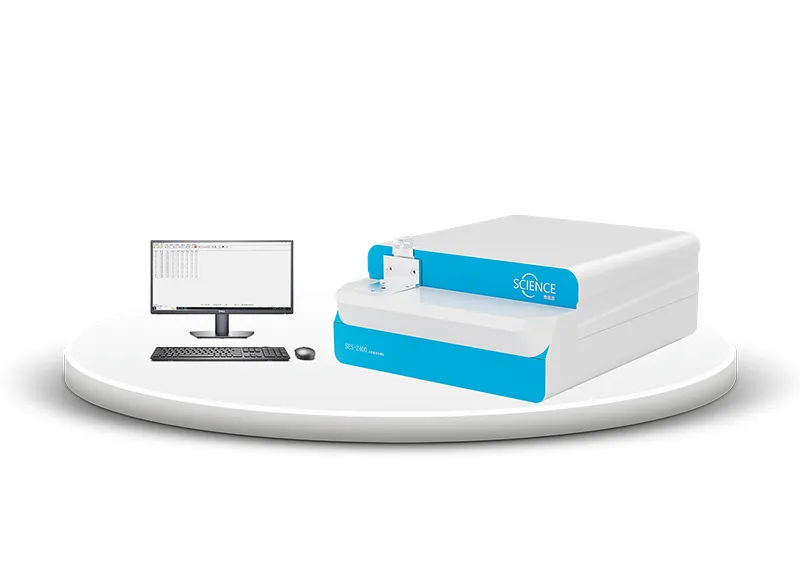
The Tube Furnace Infrared Carbon Sulfur Analyzer SES-706 is designed primarily for non-metallic samples, such as ceramics and ores. It utilizes a resistance furnace that can reach temperatures up to 1600°C. A standout feature of the SES-706 is its patented “dual gas supply” technology. This innovation solves the “flow interruption” phenomenon common in tubular furnaces, ensuring that the combustion process perfectly matches the infrared detection requirements for superior repeatability.
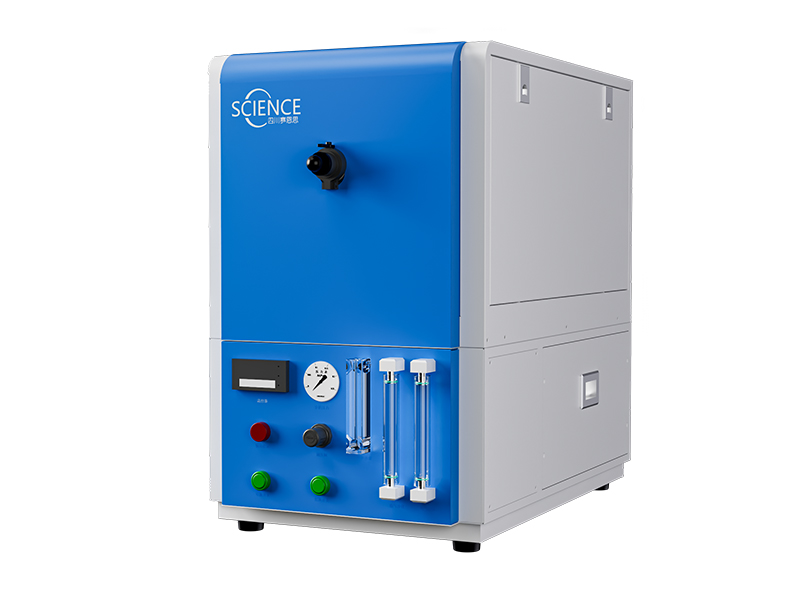
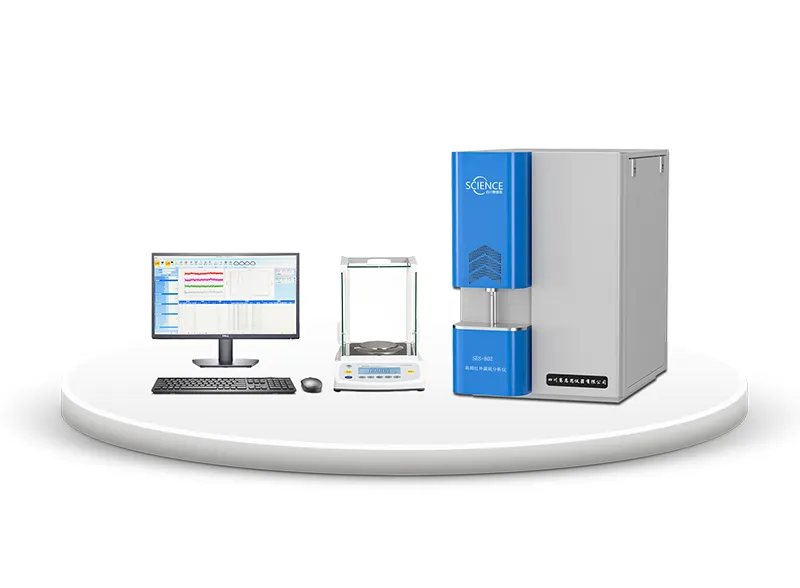
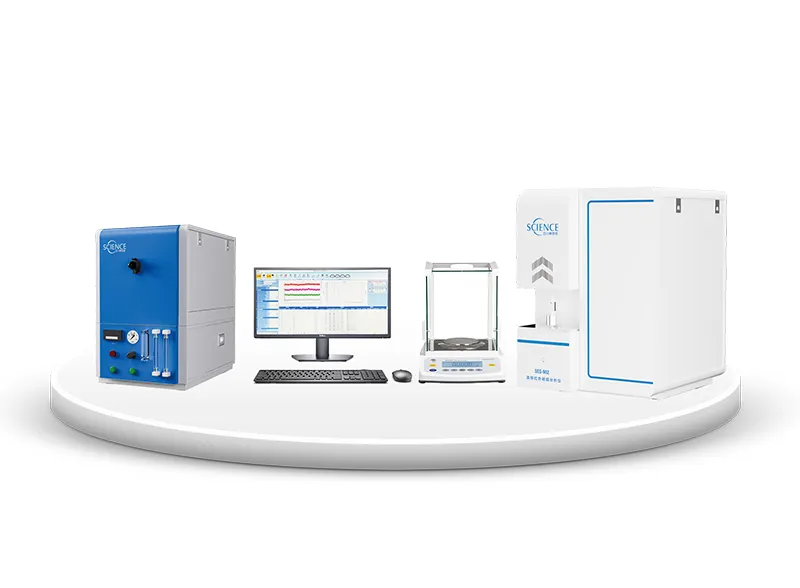
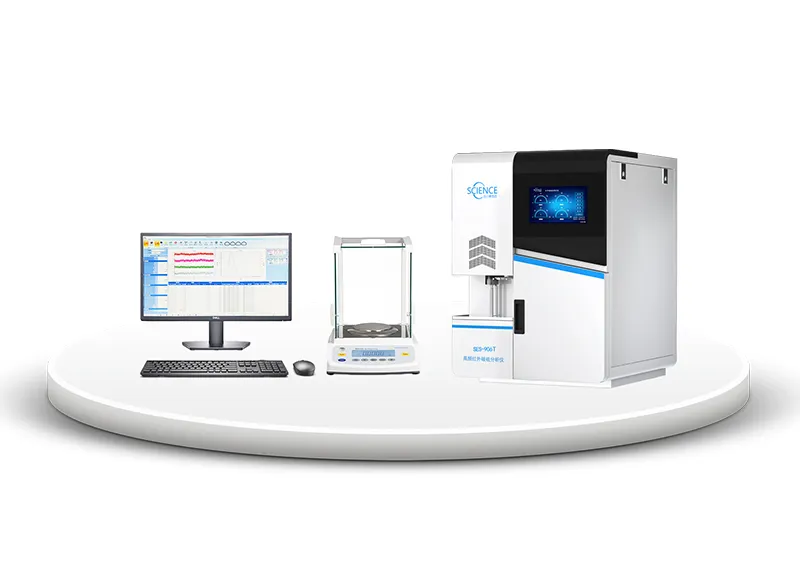
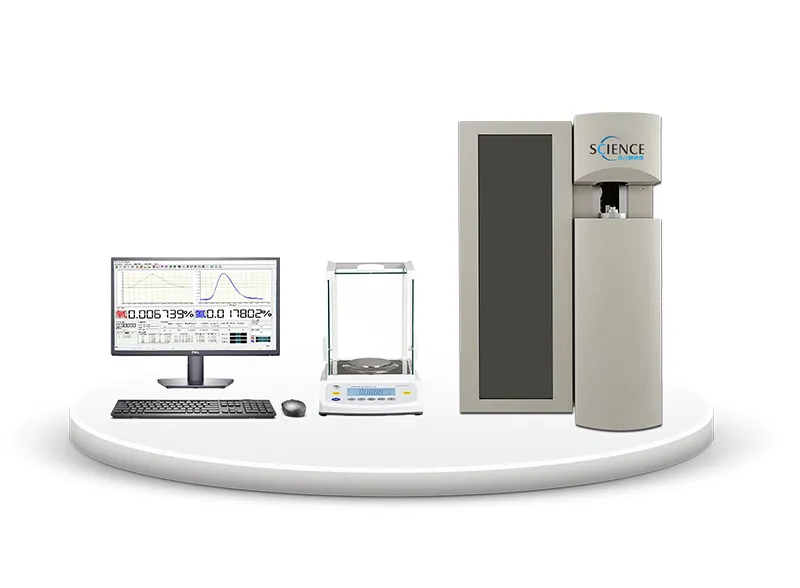
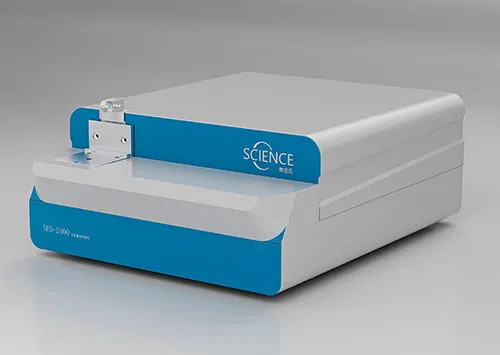
For metallic materials like black metals and alloys, high-frequency induction is the preferred method. Models like the SES-802, SES-902, and SES-906 utilize a high-frequency furnace to rapidly heat the sample in an oxygen-rich environment. This process allows for complete combustion within 45 to 60 seconds, making it ideal for high-throughput industrial laboratories.
SYENS is not just a manufacturer; it is a hub of innovation with a team of senior experts in electronics, optics, chemistry, and software. The company produces over 600 sets of analytical instruments annually, many of which feature “first-in-China” technologies.
Safety and efficiency are paramount. SYENS instruments feature “high-frequency radiation shielding,” a patented technology that significantly reduces electromagnetic interference and protects laboratory personnel. Additionally, the “intelligent dormancy” and “self-protection” functions allow the instrument to automatically shut off power and gas when idle, extending the lifespan of the components and reducing operational costs.
A common challenge in sulfur detection is the interference of water vapor. The SES-706 addresses this with a secondary water removal and purification device, ensuring low maintenance and high accuracy for moisture-heavy samples. Meanwhile, the SES-902 and SES-906 models employ intelligent dual-zone fully automatic dust removal, integrating high-pressure blowback and dust suction to maintain a clean environment for the infrared cell.
Choosing the right instrument depends on your specific application, from basic quality control to high-end scientific research. Below is a comparison of the flagship models offered by SYENS.
| Feature | SES-706 (Tube Furnace) | SES-802 (High Frequency) | SES-902 (High-End) | SES-906 (Dual System) |
|---|---|---|---|---|
| Primary Application | Non-metallic materials, ores | Black metals, alloys, minerals | High-end metallurgy, new energy | Research, multi-operator labs |
| Carbon Detection Range | 0.0001% - 99.9% | 0.0001% - 99.99% | 0.00001% - 99.99% | 0.00001% - 99.99% |
| Sensitivity | High | 0.1 ppm | 0.01 ppm | 0.01 ppm |
| Furnace Temp | Up to 1600°C | 2000°C (Adjustable) | 2000°C (Adjustable) | 2000°C (Adjustable) |
| Unique Tech | Dual gas supply, Secondary water removal | Modular design, Oscilloscope function | Mirrored stainless steel piping, Vacuum ceramic capacitors | Dual microcomputer system, 12" Touchscreen |
| Sampling Frequency | 25 Hz | High | High | High |
You can also check out 【how to choose the right infrared carbon sulfur analyzer】 exactly in our blog post.
Adhering to the tenet of “breaking through the core technology of analysis and detection and helping the rapid development of materials science,” SYENS has established a robust reputation. Their products are not only dominant in the domestic Chinese market but are also exported to over 20 countries and regions, including Russia, Serbia, Peru, Indonesia, and the Democratic Republic of the Congo.
By strictly adhering to international standards such as ISO9556 (for carbon) and ISO4935 (for sulfur), SYENS ensures that its instruments provide data that is globally comparable and trusted. Whether you are analyzing silicomanganese alloys (as demonstrated by SES-902 test data) or carbon structural steel (SES-802), the results remain consistent and precise.
Q1: How does sample weight affect the accuracy of an infrared carbon sulfur analyzer?
In infrared absorption, the instrument calculates the concentration based on the total mass of the gas produced. Therefore, accurate weighing of the sample using an electronic balance (typically with 0.1mg sensitivity, like those found in SYENS models) is crucial. If the sample is too heavy, the combustion might be incomplete; if too light, the gas concentration might fall below the detection limit of the IR cell.
Q2: Why is oxygen purity so important in the combustion process?
Oxygen acts as both the combustion agent and the carrier gas. SYENS instruments typically require oxygen with a purity of at least 99.5%. Impurities in the oxygen, such as trace hydrocarbons or moisture, can create “background noise” in the infrared cell, leading to false-positive readings for carbon or sulfur.
Q3: What is the benefit of “Intelligent Sleep” or “Smart Stay” modes in laboratory instruments?
The “Smart Stay” function found in SYENS’ SES series is designed for energy conservation and component protection. By automatically shutting off the high-frequency power and gas flow when the instrument is not in use, it prevents unnecessary wear on the oscillation tube and reduces the consumption of high-purity oxygen, significantly lowering the total cost of ownership.