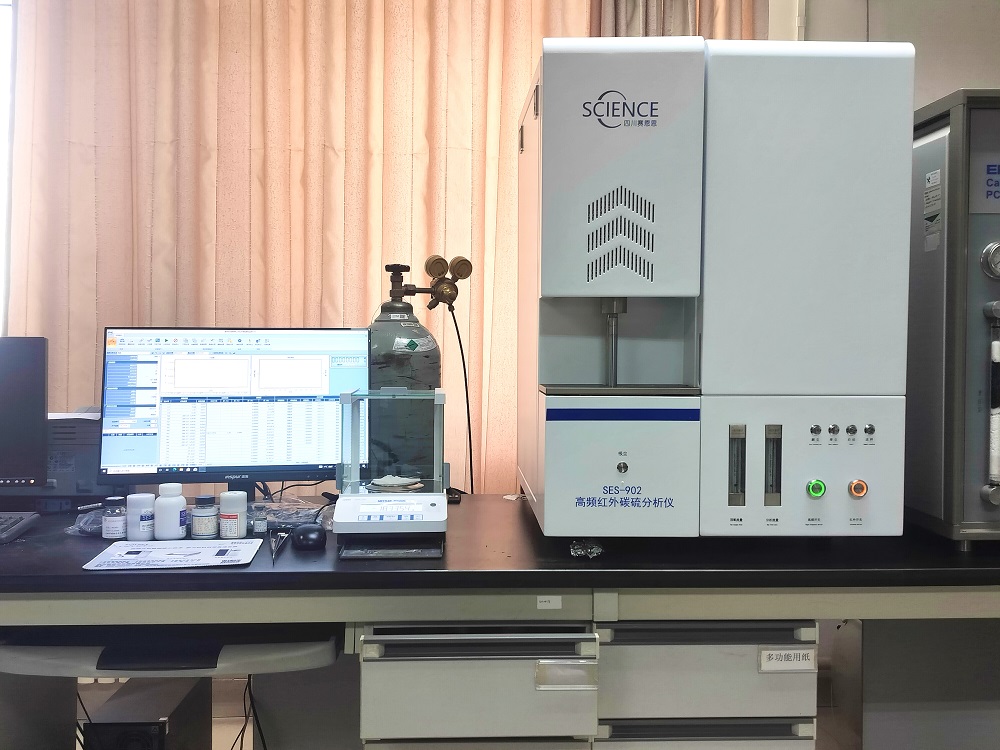
In modern metallurgy, casting, and mechanical manufacturing, the exact composition of carbon and sulfur dictates the physical properties, durability, and ultimately, the market value of metal alloys. Even minor deviations in element determination can lead to catastrophic material failures, compromised product integrity, and significant financial losses.
For laboratory managers and quality control directors, investing in reliable testing equipment is not just a technical requirement—it is a strategic business decision. This article explores how upgrading to a high-frequency infrared carbon sulfur analyzer transforms your quality control workflow and drives a measurable Return on Investment (ROI).
Traditional chemical titration methods and outdated combustion analyzers often fall short in today's high-demand manufacturing environments. Relying on legacy systems introduces several critical pain points:
Inconsistent Accuracy: Variations in manual operation and poor combustion efficiency lead to inaccurate readings, especially in ultra-low carbon or sulfur samples.Time
Consuming Workflows: Slow analysis cycles bottleneck production lines, delaying critical go/no-go decisions for metal batch releases.
High Maintenance Overhead: Older machines require constant recalibration and frequent replacement of consumables, driving up operational expenses.
To overcome these challenges, industry leaders are adopting high-frequency infrared (IR) technology. This methodology combines two powerful scientific principles to deliver unparalleled precision:
Unlike traditional resistance furnaces, high-frequency induction furnaces generate intense heat directly within the metal sample using an electromagnetic field. This ensures a rapid, highly controlled, and complete combustion process, efficiently releasing all carbon and sulfur trapped within the matrix as $CO_2$ and $SO_2$ gases.
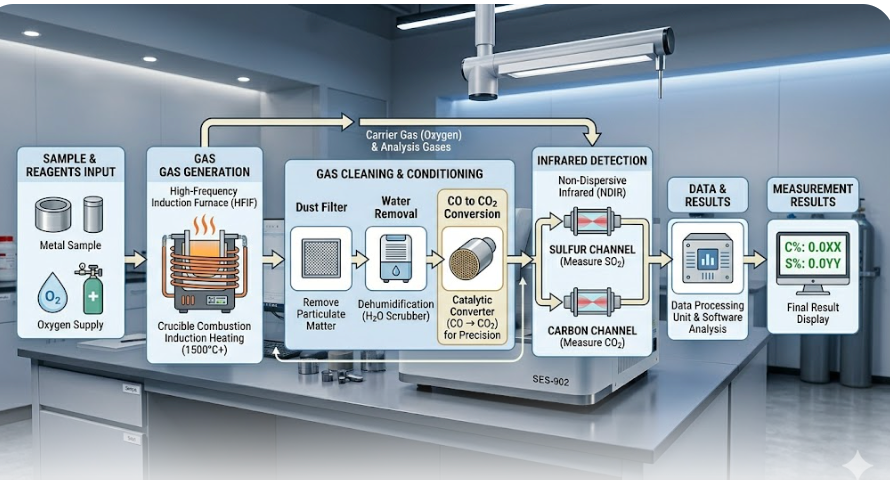
Once the gases are released, they pass through highly sensitive infrared detection cells. Because $CO_2$ and $SO_2$ absorb specific wavelengths of infrared light, the analyzer can measure the exact concentration of these gases with extreme precision, translating the data into accurate carbon and sulfur percentages in real-time.
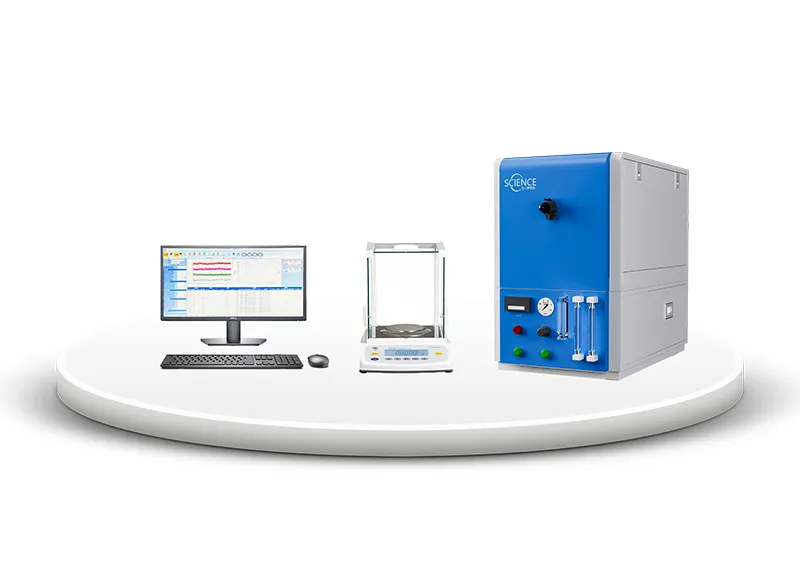
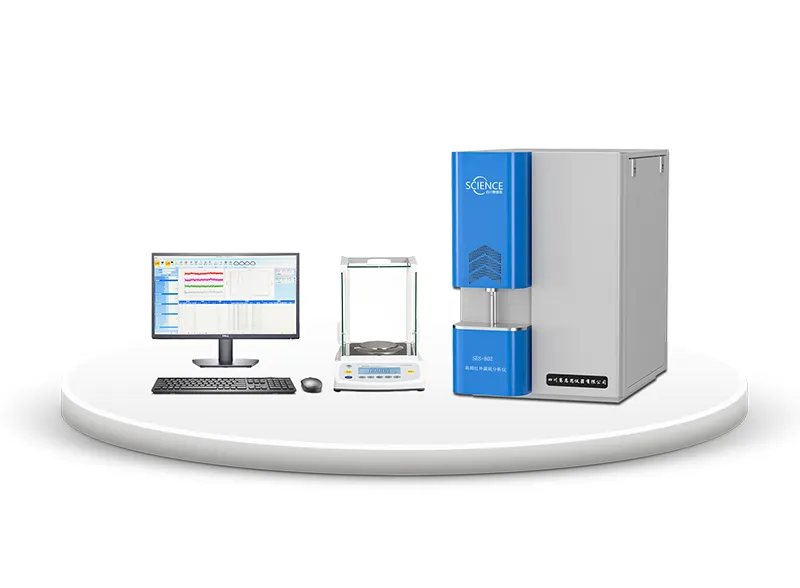
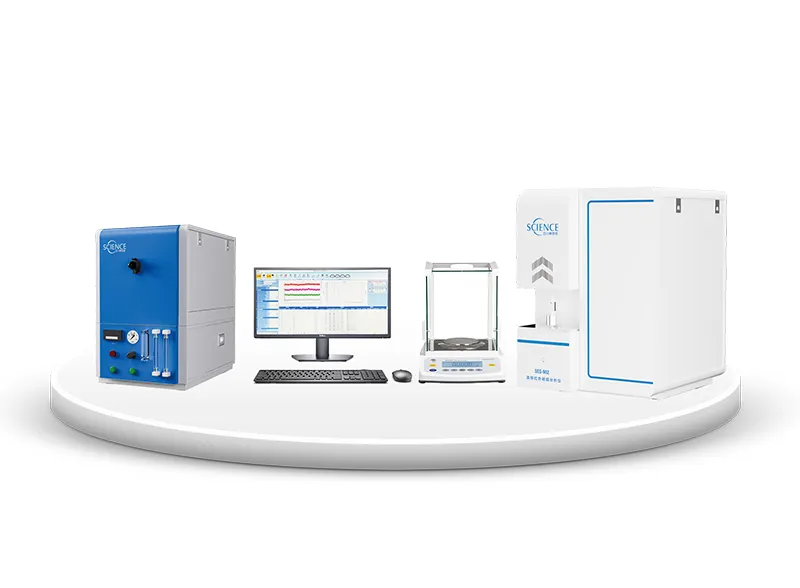
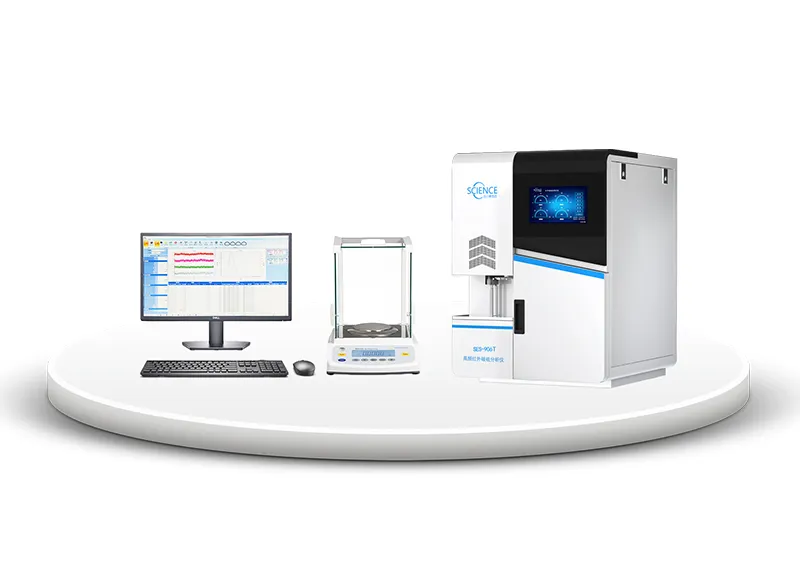
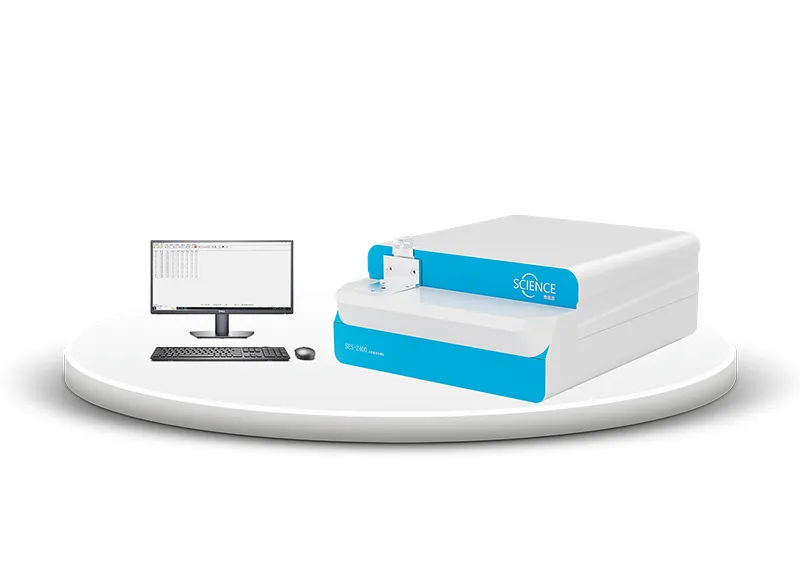
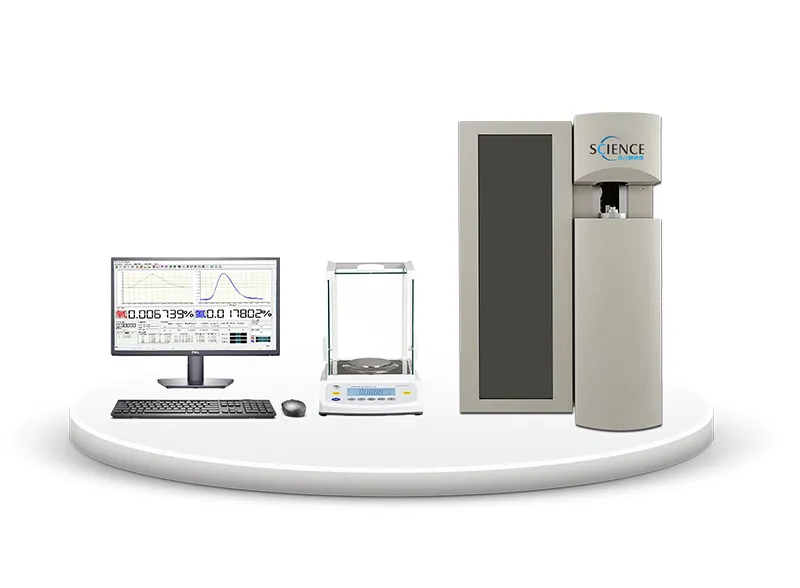
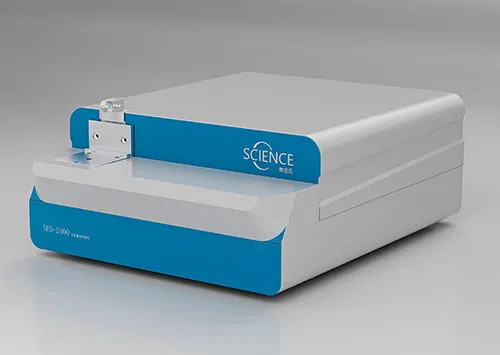
Designed to meet the rigorous demands of modern industrial laboratories, the SES-902 High-Frequency Infrared Carbon Sulfur Analyzer represents the pinnacle of element analysis technology. By seamlessly integrating robust hardware with intelligent software, the SES-902 serves as a definitive solution for your quality assurance needs.
Uncompromising Accuracy: Engineered with top-tier infrared detectors and a stable high-frequency oscillator, the SES-902 guarantees highly reproducible results, ensuring your materials consistently meet stringent international standards (e.g., ASTM, ISO).
Accelerated Throughput: With rapid analysis cycles, your laboratory can process more samples per hour. This speed enables real-time adjustments on the production floor, drastically reducing the risk of producing off-spec batches.
User-Centric Operation: The intuitive software interface simplifies the calibration and testing process, reducing the learning curve for laboratory technicians and minimizing the risk of human error.
Durability and Low Maintenance: Built with industrial-grade components, the SES-902 is designed for longevity. Its optimized gas flow and self-cleaning mechanisms significantly reduce downtime and consumable costs.
In an era where material specifications are becoming increasingly strict, your quality control infrastructure must evolve. The SES-902 High-Frequency Infrared Carbon Sulfur Analyzer is more than an analytical instrument; it is a safeguard for your brand's reputation and bottom line.
Ready to elevate your material testing capabilities? Discover the technical specifications of the SES-902 and request a customized quote for your laboratory today