In the world of material science and metallurgy, the precise determination of carbon and sulfur content is not just a quality control step—it is a critical requirement for structural integrity and performance. Whether you are analyzing steel, coal, ores, or advanced ceramics, the method of combustion and detection determines the reliability of your data. Carbon significantly influences the hardness and weldability of steel, while sulfur levels can lead to “hot shortness” or brittle failure in high-stress environments. Infrared Carbon Sulfur Analyzers have become the industry standard due to their speed and precision. However, a common dilemma for lab managers is choosing between Tube Furnace and High-Frequency Induction combustion. This guide compares these technologies through the lens of the SYENS's infrared carbon sulfur analyzer series, helping you identify the ideal instrument for your specific laboratory needs while adhering to global analytical protocols.
To understand which analyzer fits your application, we must first look at how they liberate carbon and sulfur from the sample. The goal is to oxidize all carbon to CO2 and sulfur to SO2 for infrared detection.
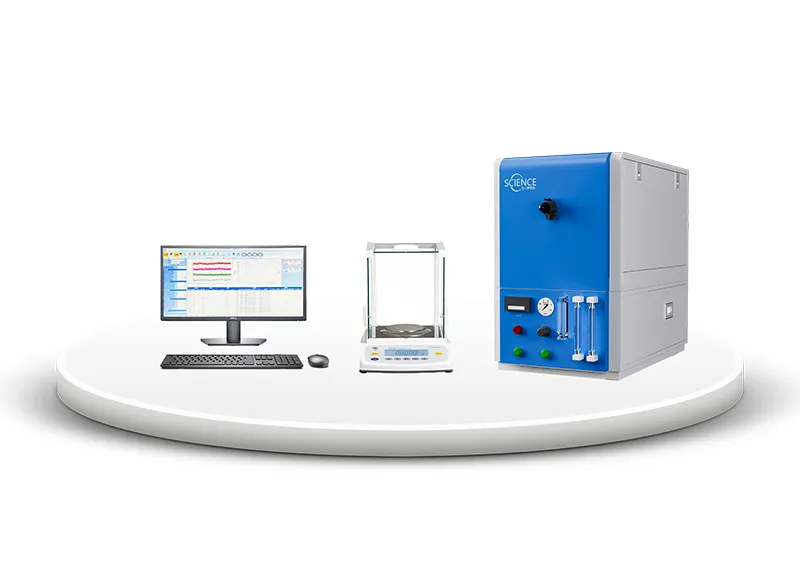
Tube furnace analyzers, such as the SES-706, use an external resistance heating element (usually silicon carbide rods) to heat a ceramic combustion tube. The sample is placed in a boat and pushed into the high-temperature zone (up to 1500°C) in an oxygen-rich environment. According to industry literature, resistance heating is often preferred for materials that require a controlled temperature ramp or have organic components that might react too violently under induction heating. This method is ideal for materials that do not couple well with induction heating, such as coal, coke, graphite, and soil.
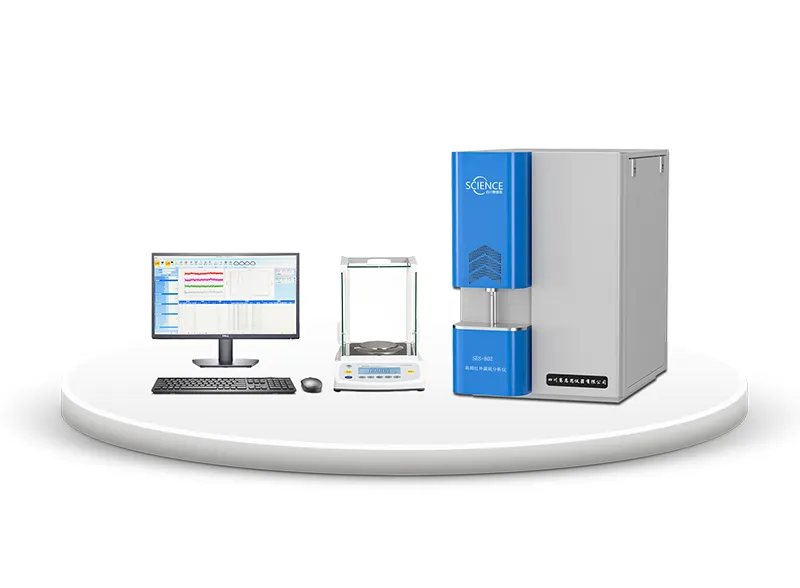
High-frequency (HF) induction analyzers use an electromagnetic field to rapidly heat a metallic sample (or a non-metallic sample with an added flux like Tungsten/Tin). This method reaches temperatures exceeding 2000°C almost instantaneously. Induction combustion provides superior liberation of sulfur in complex metal matrices compared to lower-temperature methods. It is the preferred method for metals and alloys where speed and high-throughput are required.
Choosing the right instrument requires a side-by-side look at technical capabilities. The following table summarizes the key differences between the SYENS models based on furnace type and application.
| Feature | Tube Furnace SES-706 | High Frequency SES-802 | High Frequency SES-902 | High Frequency SES-906 |
|---|---|---|---|---|
| Image | 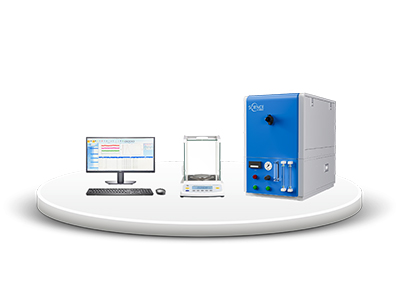 | 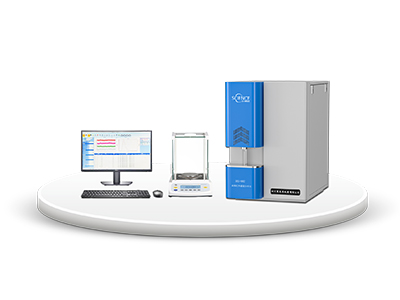 | 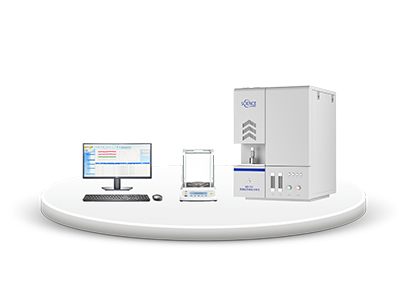 | 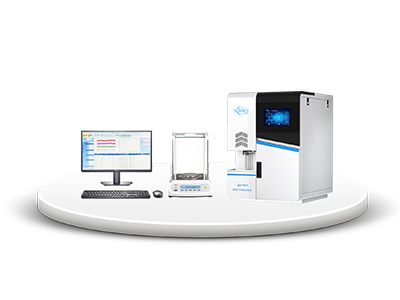 |
| Primary Application | Non-metallic (Coal, Ore, Soil) | Black/Non-ferrous Metals | High-end Multi-material | Ultra-high Precision/Aerospace |
| Detection Range | 0.0001% - 99.9% | 0.0001% - 99.99% | 0.00001% - 99.99% | 0.00001% - 99.99% |
| Max Temperature | 1300°C / 1600°C | 2000°C (Adjustable) | 2000°C (Adjustable) | 2000°C (Adjustable) |
| Precision/Accuracy | ±1℃ | RSD ≤ 0.8% | RSD ≤ 0.5% | RSD ≤ 0.5% |
| Furnace Power | 2.5kw / 4kw | 2.7kw | 3.5kw | 3.5kw |
| Unique Feature | Dual Gas Supply & Water Removal | 3rd Gen Furnace Head | Mirrored Stainless Piping | Dual Operating System |
| Interface | USB / RS232 | USB / RS232 | USB / RS232 | 12" Touchscreen + Dual OS |
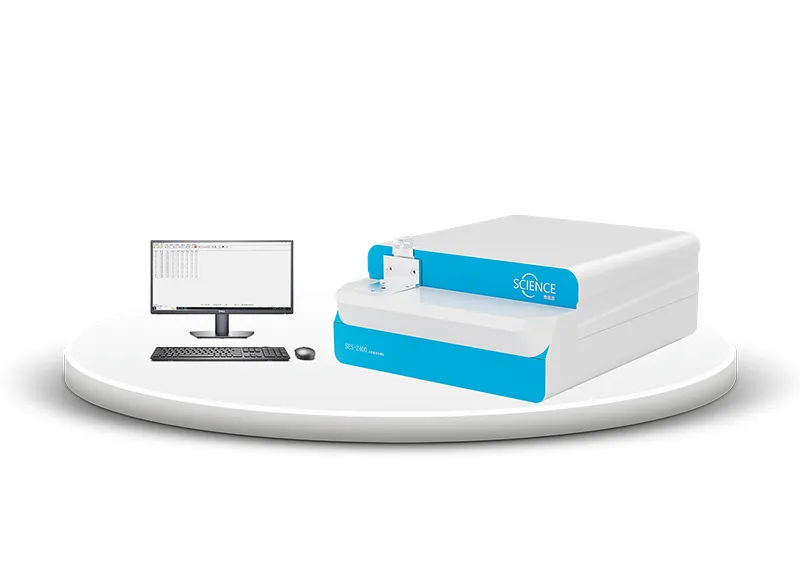
The Tube Furnace Infrared Carbon Sulfur Analyzer SES-706 is an analytical instrument based on the tubular furnace combustion-infrared absorption method. It is specifically engineered for solid samples such as ores, ceramics, and coal where traditional induction heating is less effective.
The SES-706 stands out due to its ability to handle “moisture-heavy” or complex organic samples through several proprietary technologies:
Secondary Water Removal and Purification: This device effectively eliminates water interference in moisture-laden samples, which is critical for accurate sulfur determination.
“Dual Gas Supply” Technology: This patented system solves the “flow interruption” issue common in tubular furnaces, ensuring that the combustion process remains synchronized with infrared detection for superior repeatability.
Integrated Metal Filter: Using advanced dust removal technology, the SES-706 achieves a 100% dust removal rate, protecting the internal infrared cells and reducing maintenance frequency.
For metal material testing, the high-frequency series utilizes electromagnetic induction to reach temperatures of 2000°C almost instantly.
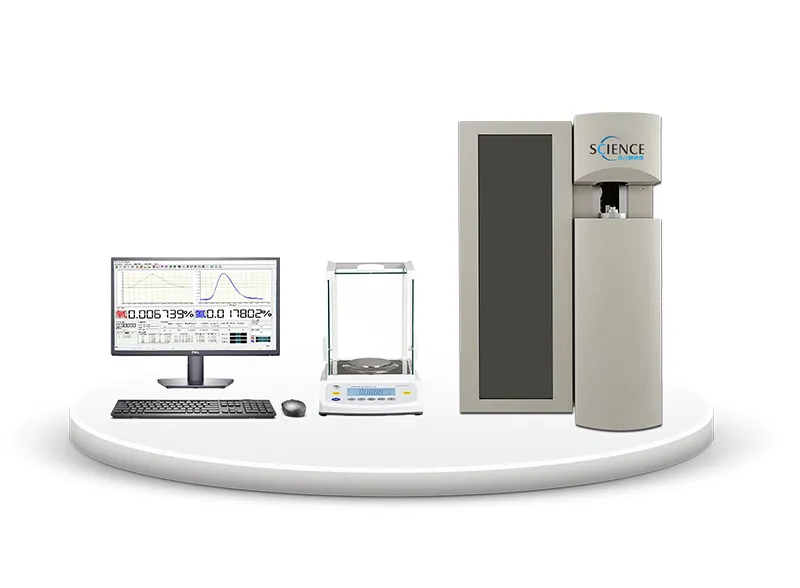
The SES-802 is designed for black metals, non-ferrous metals, and new energy materials. It utilizes military-grade high-precision ceramic capacitors to adapt to various melting points, ensuring a stable conversion rate.
Third Generation Furnace Head: This integrates internal heating, dust reverse blowing, and automatic brushing into a single modular unit.
Diagnostic Tools: The inclusion of an oscilloscope function allows technicians to quickly diagnose circuit reliability, significantly improving instrument uptime.
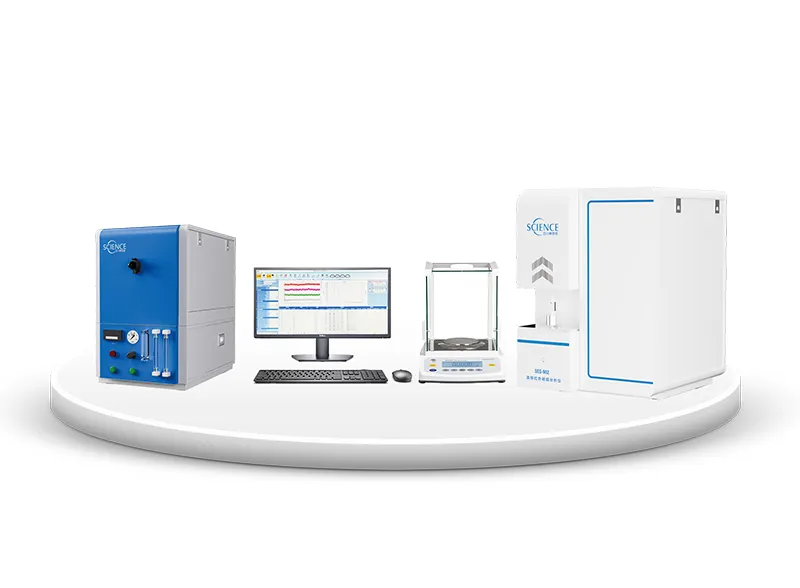
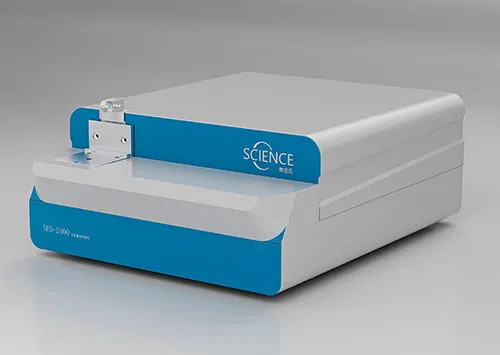
The SES-902 is a newly upgraded product targeting the high-end market. It introduces a double-layer infrared isolation system and full mirrored stainless steel piping.
Adjustable Power: Unlike standard models, the SES-902 allows users to match the power to the specific sample analysis method. Once set, this ensures sufficient combustion while allowing the instrument to operate below full load, extending its lifespan.
Advanced Components: It features high-precision vacuum ceramic capacitors and a catalytic furnace for enhanced gas purity during the detection phase.
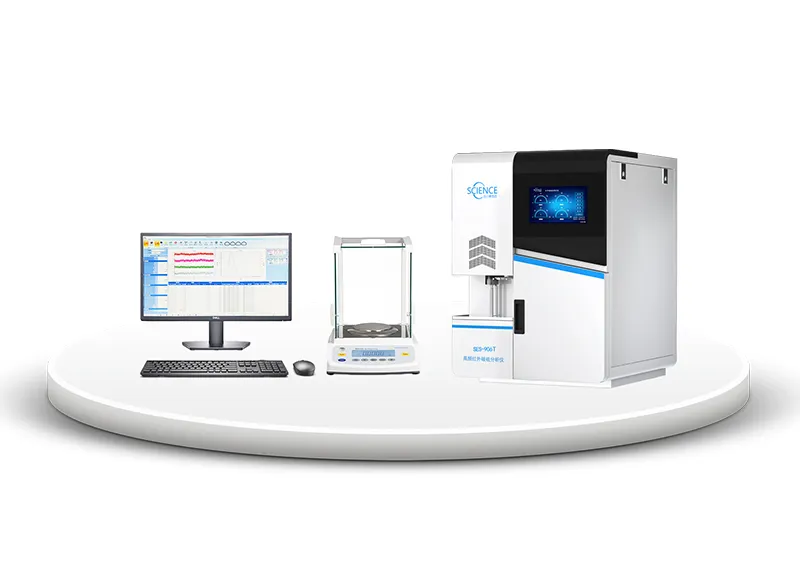
The SES-906 represents the most advanced high-frequency infrared carbon sulfur analyzer in the SYENS lineup, designed for industries requiring sub-ppm sensitivity, such as aerospace and nuclear engineering.
A standout feature of the SES-906 is its dual-operation system. It is the only system in China to offer a 12-inch full touchscreen combined with dual microcomputers. This allows the instrument to operate and monitor parameters independently without the need for an external analytical computer, simplifying the laboratory workflow.
The SES-906 provides real-time monitoring of air pressure, voltage, airflow, and current. If any parameter exceeds its rated value, the system triggers an automatic alarm. Combined with temperature compensation technology, the SES-906 adjusts test data based on environmental changes to maintain its strict RSD ≤ 0.5% accuracy rating.
When selecting an analyzer, compliance with international standards is mandatory for laboratory accreditation. The SES series is designed to meet and exceed the requirements of:
ASTM E1019: Standard Test Methods for Determination of Carbon, Sulfur, Nitrogen, and Oxygen in Steel, Iron, Nickel, and Cobalt Alloys. This is the primary standard for induction combustion.
ISO 15350: Determination of total carbon and sulfur content in steel and iron using infrared absorption.
ASTM D4239: Standard Test Method for Sulfur in the Analysis Sample of Coal and Coke Using High-Temperature Tube Furnace Combustion.
To simplify your procurement process, consider the following scenarios:
“I analyze coal, soil, or cement”: Choose the SES-706. High-frequency induction is less effective for these non-conductive materials without excessive and expensive flux.
“I run a standard foundry or steel mill”: The SES-802 or SES-902 provides the perfect balance of cost-efficiency and high-speed results (under 60 seconds per analysis).
“I need to detect carbon/sulfur at ultra-low levels in specialty alloys”: The SES-906 is the only choice. Its sensitivity ensures that even trace contaminants are detected, safeguarding your material integrity against hydrogen embrittlement or stress corrosion cracking.
Choosing the right infrared carbon sulfur analyzer is a balance between your material type, required precision, and budget. While the SES-706 excels in non-metallic niches, the SES-802, 902, and 906 offer progressive steps in performance for the metal industry. By aligning your lab’s specific needs with the technical strengths of the SYENS lineup, you ensure long-term accuracy and operational efficiency.
Q1: How does the sample preparation differ between the SES-706 and the SES-902?
A: For the SES-706 (Tube Furnace), samples like coal or ore are often ground to a fine powder and placed in a ceramic boat without accelerators. For the SES-902 (High-Frequency), metallic samples usually require the addition of a flux (accelerator) such as Tungsten or Tin to facilitate the induction heating process and ensure the sample melts completely to release all trapped carbon and sulfur gases.
Q2: Can I use the SES-906 for high-carbon samples, or is it only for ultra-low concentrations?
A: While the SES-906 is optimized for ultra-low detection, it is highly versatile. Thanks to its advanced software and multi-range detection capabilities, it can handle higher concentrations by adjusting the sample weight or utilizing its wide-dynamic-range IR cells. However, for labs only doing high-carbon analysis (like cast iron), the SES-802 may be a more cost-effective solution.
Q3: What are the atmospheric requirements for operating these analyzers?
A: Both furnace types require high-purity Oxygen (typically 99.95% or higher) as a carrier and combustion gas. Additionally, the SES-900 series (902 and 906) benefits from high-purity Nitrogen or compressed air to operate the pneumatic components of the automatic cleaning system and furnace lifting mechanism.