Elemental analysis is essential in modern metallurgy, foundries, mining, automotive manufacturing, aerospace engineering, and quality control laboratories. Among the most widely used technologies are Spark Optical Emission Spectroscopy (Spark OES) and Inductively Coupled Plasma Optical Emission Spectroscopy (ICP-OES). Although both techniques determine elemental composition, they differ significantly in sample preparation, analytical capabilities, operating costs, and industrial applications. For laboratories evaluating new analytical equipment, understanding the strengths and limitations of each technology is critical to making the right investment.
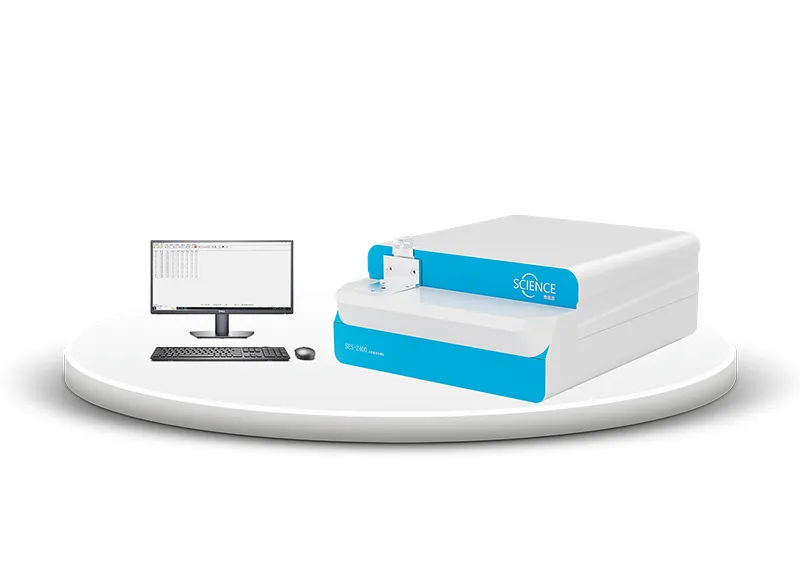
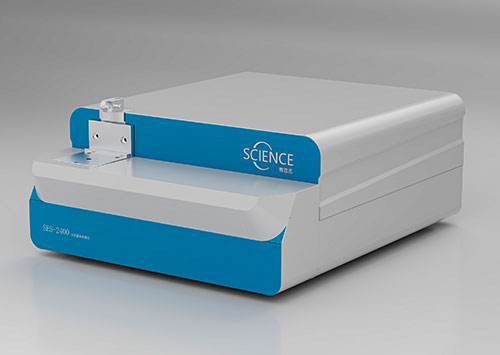
Spark OES (Spark Optical Emission Spectroscopy) is a solid-sample elemental analysis technique that uses an electrical spark to excite atoms and measure the emitted light spectrum.
The technology has been a standard tool in the metal industry for decades because it provides rapid chemical composition analysis directly from solid metal samples without requiring chemical dissolution.
Spark OES is widely used in:
Steel mills
Foundries
Metal recycling facilities
Automotive manufacturing
Aerospace material inspection
Modern Spark OES systems can analyze more than 20–40 elements simultaneously within approximately 20–60 seconds.
For laboratories seeking fast alloy identification and production-line quality control, Spark OES remains one of the most efficient solutions available.
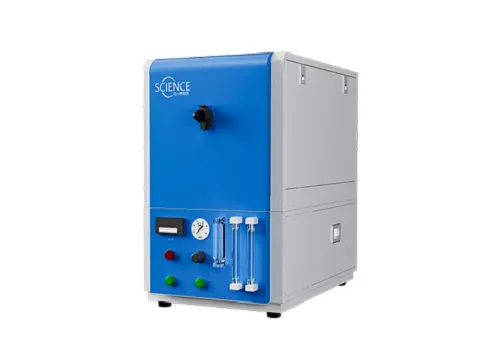
ICP-OES (Inductively Coupled Plasma Optical Emission Spectroscopy) is a liquid-sample elemental analysis technique that uses high-temperature plasma to excite atoms and measure emitted wavelengths.
The plasma generated in ICP-OES typically reaches temperatures between 6,000°C and 10,000°C, allowing highly sensitive detection of trace and major elements.
ICP-OES is commonly used in:
Environmental laboratories
Geological analysis
Chemical industries
Pharmaceutical testing
Food safety laboratories
Mining operations
Because samples must usually be dissolved into solution before analysis, ICP-OES offers excellent flexibility for a wide variety of materials beyond metals.
Spark OES and ICP-OES differ primarily in sample type, preparation requirements, detection limits, analysis speed, and operating costs.
The following comparison helps laboratories determine which technology best suits their testing needs.
| Parameter | Spark OES | ICP-OES |
| Sample Form | Solid Metal | Liquid Solution |
| Sample Preparation | Minimal | Acid Digestion Required |
| Analysis Time | 20–60 Seconds | 2–5 Minutes |
| Carbon Analysis | Excellent | Limited |
| Sulfur Analysis | Excellent | Limited |
| Trace Element Detection | Good | Excellent |
| Detection Limits | ppm Level | ppb to ppm Level |
| Operating Cost | Lower | Higher |
| Industrial QC Use | Excellent | Moderate |
| Multi-Matrix Capability | Limited | Excellent |
One of the most important distinctions is that Spark OES can directly measure carbon, sulfur, phosphorus, and other critical elements in steel production. These elements often determine mechanical properties and regulatory compliance. ICP-OES, meanwhile, excels when laboratories require ultra-low detection limits and must analyze diverse sample types such as water, soil, chemicals, ores, or pharmaceutical materials.
For routine metal composition analysis and production quality control, Spark OES is generally considered the more efficient and practical solution.
In steel and foundry operations, laboratories may analyze hundreds of samples per day. The ability to obtain results within one minute without complex sample preparation significantly improves productivity.
Spark OES is particularly valuable for:
Incoming material verification
Melt control
Alloy grade identification
Foundry quality assurance
Scrap sorting
ICP-OES becomes advantageous when laboratories need:
Ultra-trace element analysis
Multi-matrix testing
Research applications
Environmental compliance testing
Chemical composition studies
Industry surveys indicate that many metallurgical laboratories use Spark OES as their primary production tool while maintaining ICP-OES systems for specialized investigations and trace-level verification.
Spark OES and ICP-OES are both powerful elemental analysis technologies, but they serve different purposes. Spark OES is generally the preferred solution for steel mills, foundries, alloy manufacturers, and metal processing facilities because it offers rapid analysis, minimal sample preparation, and excellent performance for carbon and sulfur determination. ICP-OES, on the other hand, excels in laboratories that require ultra-trace detection, multi-matrix analysis, and research-grade flexibility.
When selecting between the two technologies, laboratories should evaluate sample types, throughput requirements, target elements, operating costs, and long-term analytical goals. For industrial metal testing applications, many organizations continue to choose Spark OES as the most efficient solution for day-to-day quality control, while leveraging ICP-OES for specialized analytical tasks.
Neither technology is universally more accurate. Spark OES generally performs better for direct metal analysis, while ICP-OES often provides superior trace-level detection.
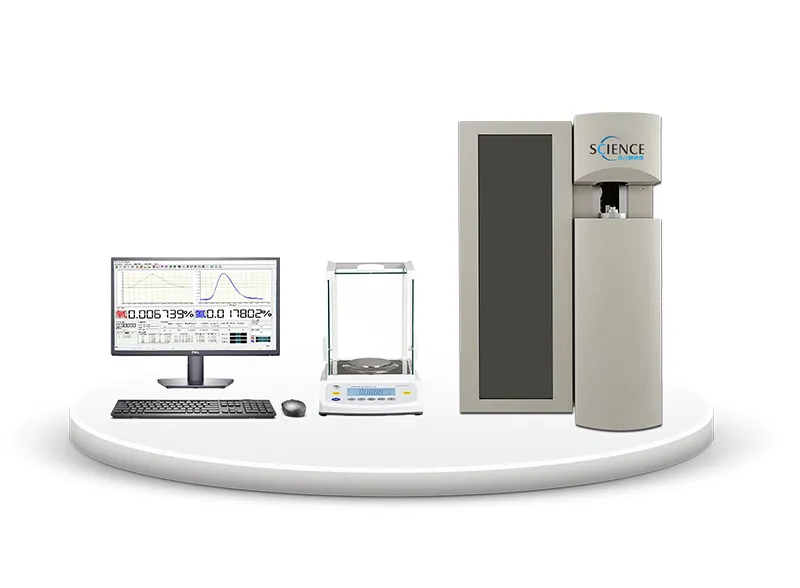
ICP-OES can analyze carbon and sulfur under certain conditions, but Spark OES and dedicated carbon sulfur analyzers are usually preferred for metallurgical applications.
Because it delivers rapid elemental analysis directly from solid metal samples with minimal preparation and excellent repeatability.
Spark OES typically has lower operating costs because it requires less sample preparation and fewer consumables.
Yes. Many advanced laboratories utilize Spark OES for routine quality control and ICP-OES for trace analysis and research applications.
Its ability to analyze a wide range of sample matrices while achieving very low detection limits for trace elements.