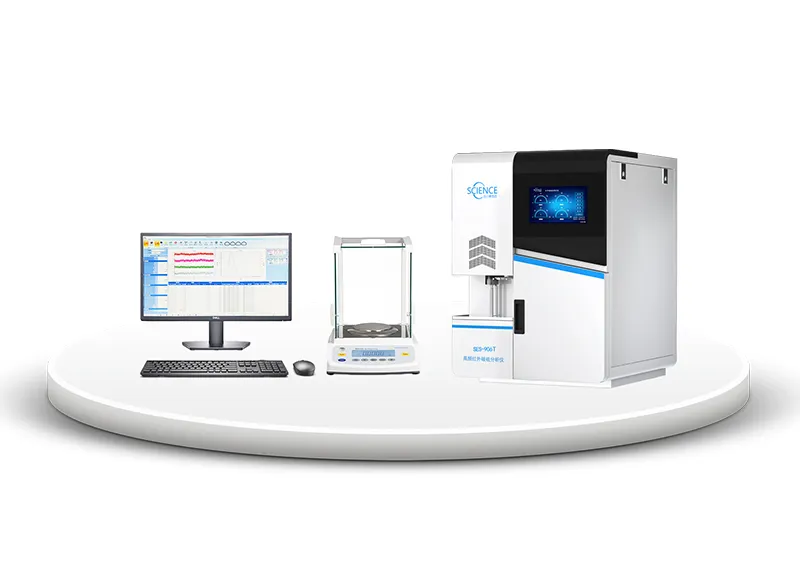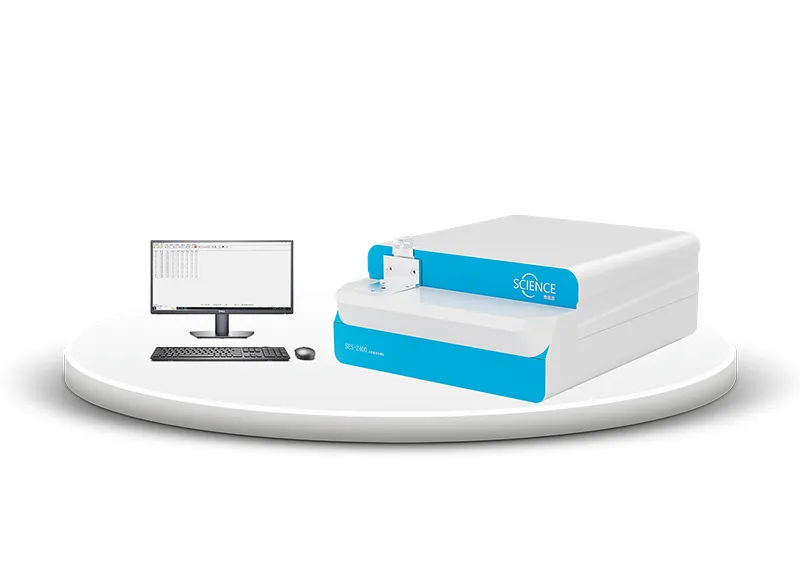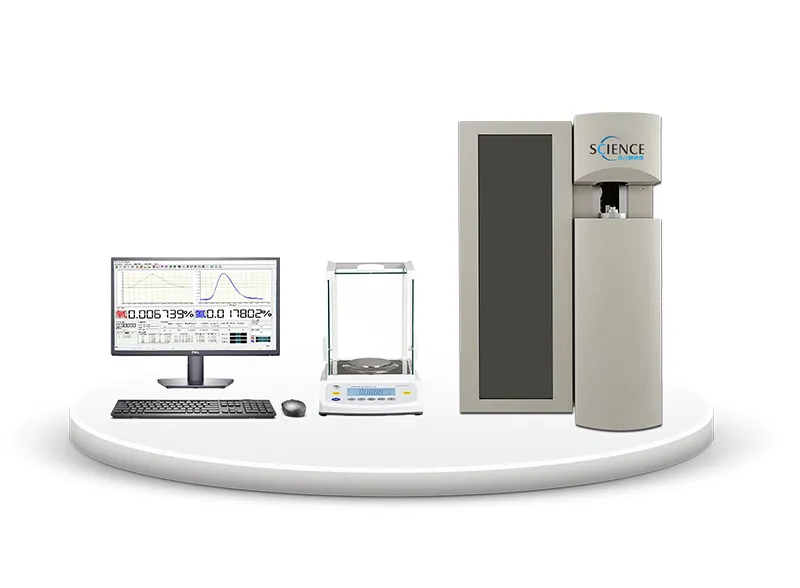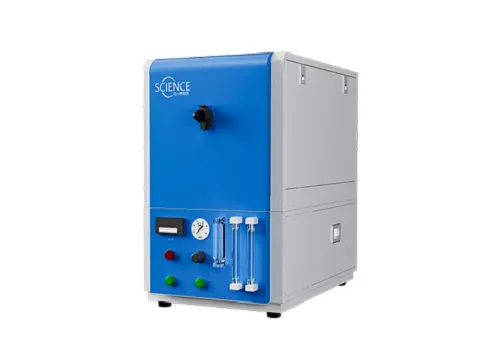
A spectrometer is an analytical instrument used to measure how light or electromagnetic radiation interacts with a material, helping users identify elements, compounds or physical properties. In industrial quality control, a spectrometer can turn invisible spectral information into measurable data for metal analysis, material verification, research and production testing.
Syens provides elemental analytical instruments, including the OES Spark Spectrometer and application solutions for metallurgy, casting, machinery, aerospace and third-party testing.
A spectrometer is a device that separates light into wavelengths and measures signal intensity to reveal information about a sample. In simple terms, it reads a “spectral fingerprint” that can be used for identification, comparison or quantitative analysis.
NIST explains that spectroscopy works because materials interact with light in characteristic ways, allowing scientists and engineers to understand composition and properties through measured spectra. For elemental analysis, atoms can emit or absorb light at specific wavelengths, and these spectral lines help identify what elements are present.
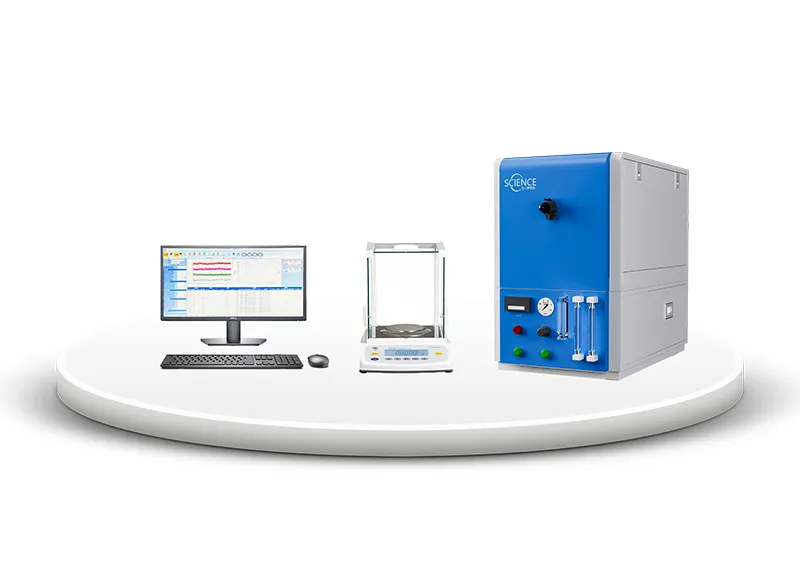
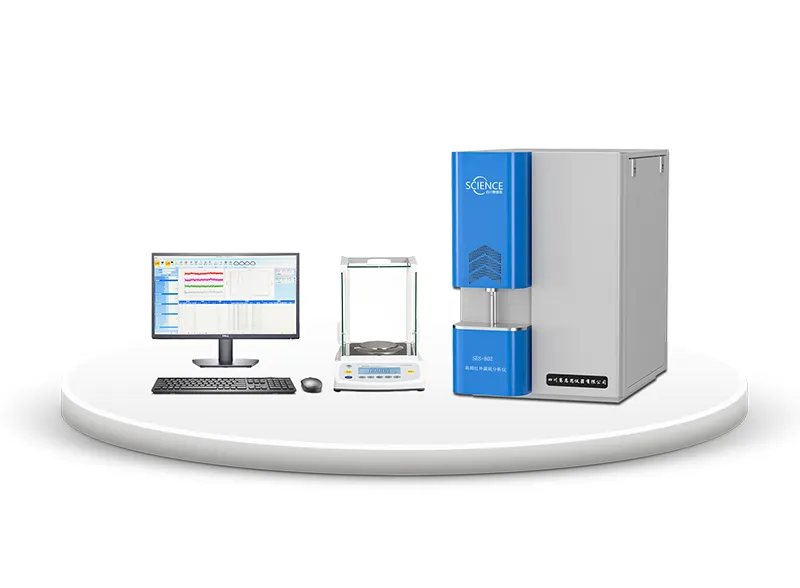
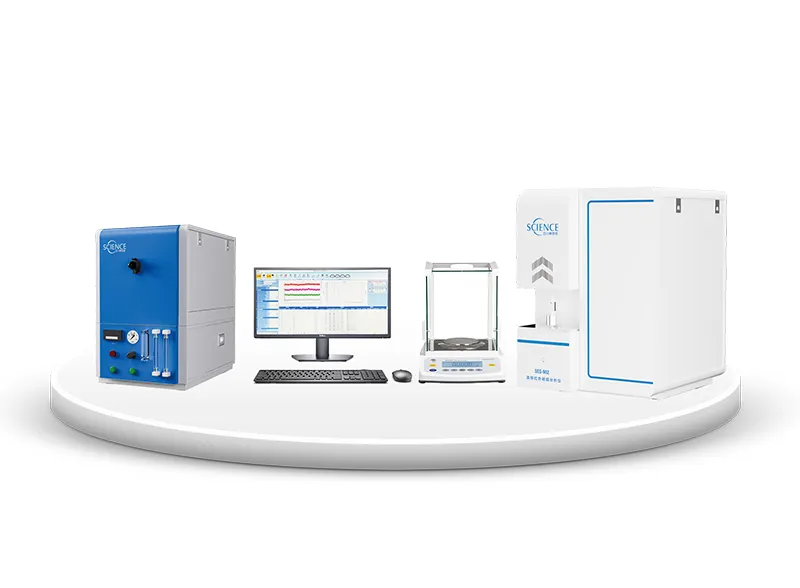
A typical spectrometer includes a light source or excitation source, optical system, wavelength separation device, detector and analysis software. In metal analysis, a spark OES spectrometer excites the sample surface, collects emitted light and calculates elemental composition.
Different types of spectrometers are designed for different measurement tasks, such as elemental analysis, molecular identification, color measurement, material research or process monitoring. The right type depends on the sample, required elements, detection limit, speed and budget.
| Spectrometer Type | Main Measurement | Typical Use |
|---|---|---|
| Optical Emission Spectrometer | Elemental emission lines | Steel, alloy, casting and metal quality control |
| UV-Vis Spectrometer | Absorbance or transmittance | Chemistry, liquids, coatings and materials |
| Infrared / FTIR Spectrometer | Molecular vibration signals | Polymers, organics, coatings and contamination |
| Raman Spectrometer | Molecular scattering signals | Pharmaceuticals, minerals and material ID |
| XRF Spectrometer | Elemental fluorescence | Metal sorting, plating, mining and recycling |
| Mass Spectrometer | Mass-to-charge ratio | Advanced chemical and isotope analysis |
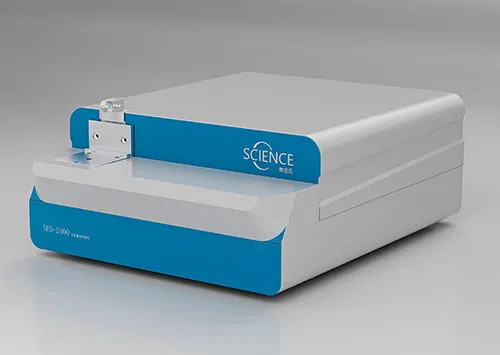
For steel plants and foundries, OES is often preferred because it can measure many alloying elements quickly. Syens’ SES-2400 is a full-spectrum direct-reading OES spectrometer that uses spark excitation, full-spectrum direct-reading technology and a CCD detector for fast multi-element analysis in casting, smelting, machinery, aerospace, environmental protection and research applications.
Spectrometer applications include elemental analysis, quality control, raw material inspection, alloy verification, research, environmental testing and production troubleshooting. In manufacturing, spectrometers help companies confirm that materials meet specifications before they enter production or shipment.
A spectrometer used in steel industry is commonly applied to incoming raw material inspection, furnace control, alloy grade confirmation, finished product testing and failure analysis. For carbon and low-alloy steel, ASTM E415 covers analysis by spark atomic emission spectrometry, showing why spark OES is a recognized method in steel chemical composition testing.
Sample preparation is also critical. For steel and iron, ISO 14284 specifies sampling and preparation methods for chemical composition determination, which matters because even a good spectrometer can produce poor results if the sample surface, sampling method or reference material is not controlled.
In practical production, a steel mill may use a spectrometer to check C, Si, Mn, P, S, Cr, Ni, Mo, V, Ti and other elements. Casting plants can use OES to verify molten metal before pouring. Machinery manufacturers can confirm whether purchased steel or aluminum matches the required grade. Testing laboratories may choose spectrometers as part of a broader quality system aligned with ISO/IEC 17025 laboratory competence requirements.
Syens’ application pages highlight use cases across metallurgy and metal smelting, casting, machinery manufacturing, aerospace, new energy materials, third-party testing and scientific research, making spectrometers part of a complete industrial elemental analysis workflow.
The price of a spectrometer depends on the technology, detector, wavelength range, analytical performance, automation level, software, calibration package and after-sales support. A simple educational spectrometer may cost much less than a laboratory-grade OES system used for steel and alloy quality control.
For buyers, it is more useful to compare total ownership cost than only the purchase price. A metal-analysis spectrometer may require argon gas, standard samples, sample preparation tools, maintenance, software, calibration and operator training. A cheaper instrument may become expensive if it cannot measure the required elements, needs frequent recalibration or lacks local service support.
| Price Factor | Why It Changes Cost |
|---|---|
| Analytical Technology | OES, XRF, UV-Vis, FTIR and Raman use different hardware |
| Element Range | More elements and lower detection limits usually increase cost |
| Detector and Optics | High-resolution detectors and stable optical chambers add value |
| Sample Type | Steel, aluminum, copper, powders and liquids need different setups |
| Calibration Package | Certified reference materials and application methods affect cost |
| Service Support | Installation, training, spare parts and maintenance influence lifecycle cost |
As a practical rule, buyers should request a quotation based on sample material, target elements, required accuracy, daily sample volume and local service needs. Syens sells analytical instruments to more than 20 countries and regions, and its product lineup includes optical emission spectrometers, carbon sulfur analyzers and oxygen nitrogen hydrogen analyzers for industrial testing.
A spectrometer is a powerful analytical instrument that converts spectral signals into useful information about materials. Different types of spectrometers serve different tasks, from UV-Vis molecular analysis to OES elemental analysis in steel, casting and alloy manufacturing.
For the steel industry, a spark OES spectrometer is especially useful because it can quickly verify chemical composition and support production quality control. Buyers should choose a spectrometer based on sample type, required elements, accuracy, testing speed, budget and service support. Syens provides OES spectrometers and elemental analytical instruments for manufacturers, foundries, laboratories and industrial quality-control teams.
A spectrometer is used to measure spectral signals from a sample, helping identify elements, compounds or material properties.
A spectrometer measures spectra broadly, while a spectrophotometer usually measures how much light a sample absorbs or transmits at selected wavelengths.
The steel industry commonly uses spark optical emission spectrometers for fast chemical composition analysis of steel and alloys.
An OES spectrometer can analyze many metallic and non-metallic elements, such as C, Si, Mn, P, S, Cr, Ni, Mo, V, Ti and others, depending on calibration.
Cost varies widely by technology, performance, calibration, software and service needs. Industrial OES spectrometers are usually quoted according to application requirements.
Syens provides OES spark spectrometers and elemental analytical instruments for metallurgy, casting, machinery, aerospace, new energy materials, third-party testing and research applications.